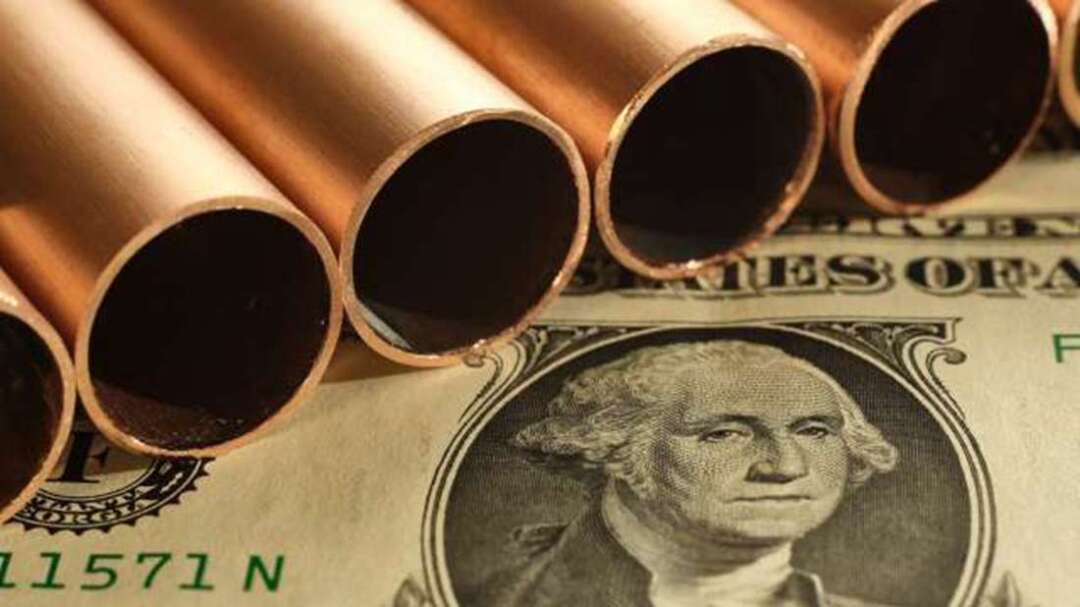
International copper prices soared to a record high on Thursday (6th), but the economic growth signals behind this surge are increasingly complex, making 'Dr. Copper'—long hailed as a barometer of economic health—more difficult to interpret.
Copper prices surged following the Democratic Republic of Congo's formal announcement to ban exports of copper and cobalt concentrates to promote domestic processing industries. U.S. copper futures briefly rose to around $6.90 per pound but later retreated, closing lower.
Copper is widely used in construction, electronics, transportation, and even artificial intelligence (AI), making copper mining a key indicator of global economic activity. Today’s high prices may reflect supply constraints, large-scale grid investments, uncertainty over U.S. tariff policies, and rising electrification demand—rather than simply signaling strong global economic growth.
William Osnato, Director of Commodity Data Research and Analysis at Barchart, said: 'The core factors supporting high copper prices are data center and grid demand, driven by the rapid expansion of the AI industry.' He noted that this surge in copper demand is 'more concentrated and not driven by the broad-based economic growth that traditionally supported copper prices.'
The surge in copper prices is also tied to tight supply. Copper mining is costly, and developing a new mine to full production typically takes about 10 years, further limiting the pace of supply growth.
Michael Widmer, Head of Metals Research at Bank of America, said this rally is less about copper demand and more about supply-driven forces. Mine supply growth is limited, and supply disruptions are tightening the market further. Chile, the world’s largest single copper producer, has recently seen mining operations severely affected by heavy snow, strong rainfall, and high winds.
Additionally, the potential for the U.S. to impose Section 232 tariffs under the Trade Expansion Act, along with China tightening scrap copper supply, is further constraining global copper supply through 2026. Former U.S. President Trump signed a proclamation last June imposing a 50% tariff on imports of semi-finished copper products and high-copper-content derivative products.
Electrification demand remains strong. However, it is primarily linked to electrification trends and does not necessarily indicate broad economic growth.
China’s grid investment rose 13% year-on-year in the first half of the year and recently announced an ambitious grid upgrade plan, aiming to invest approximately $574 billion.
Osnato of Barchart noted that supply disruptions are prompting consumers to withdraw copper metal from London Metal Exchange (LME) warehouses, pushing up refining costs. 'This is indeed a whole new situation for Dr. Copper,' he said.
FACT BOX
- Source: PR Times
- Category: News
- Organizations: Barchart