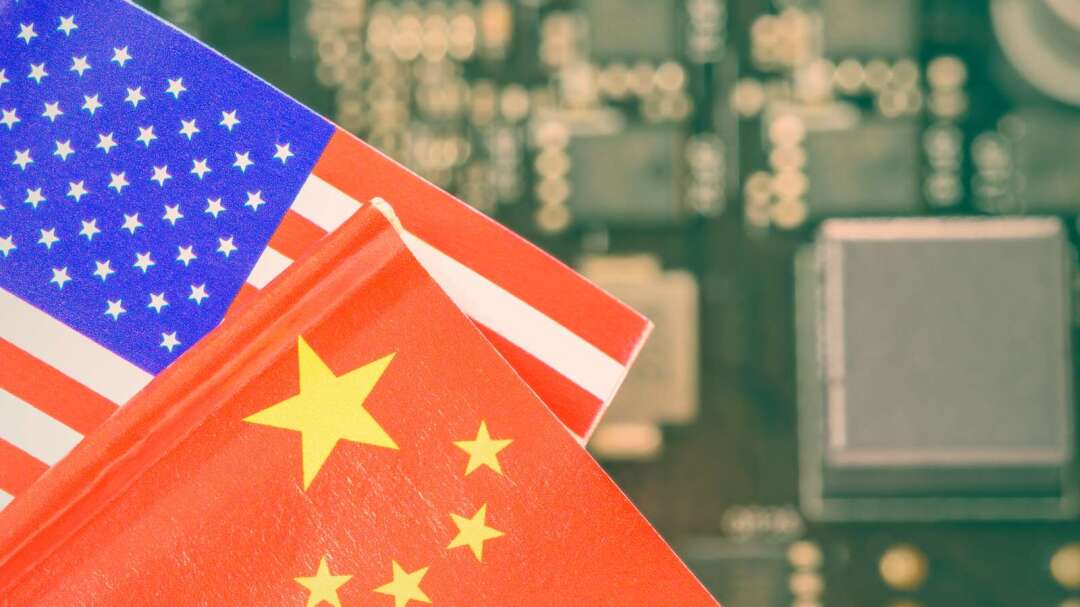
The United States Senate passed, by an overwhelming margin of 86 votes to 11 on Friday (7th) local time, a significant piece of legislation known as the '2026 Lindsey Graham Sanctions Russia and Iran Act (S.5025).' This bill authorizes the imposition of punitive tariffs of up to 100% on countries that continue to purchase Russian oil and natural gas. Given that China has long been one of the largest buyers of Russian energy exports, it is widely viewed as the primary target of this legislation.
The bill was actively promoted by the late Senator Lindsey Graham and only succeeded in passing the Senate after receiving approval from the White House.
According to the bill’s provisions, any country ranked among the top five globally in purchasing Russian crude oil or natural gas, as well as any of the top five countries assisting Russia in circumventing existing energy sanctions, will face tariffs of up to 100% on goods exported to the United States.
The bill includes an exclusion clause allowing countries that import less than 15% of Russia’s total natural gas exports and are actively taking measures to reduce imports to apply for exemption. However, China’s current procurement share far exceeds this threshold, making it difficult to qualify for this exception.
Additionally, the bill requires relevant agencies to review and update the list of 'top five buyers' every 180 days. It also preserves certain discretionary powers for the President, including the authority to determine the actual tariff rate or to grant individual exemptions on the grounds of 'national interest.'
Beyond the tariff provisions targeting energy buyers, the bill also imposes primary and secondary sanctions on Russian officials, financial institutions, energy-related projects, and so-called 'shadow fleets,' while extending the current 'Iran Sanctions Act' for another five years.
Although the bill has passed the Senate, it must still undergo a vote in the House of Representatives. However, as Congress is currently in recess, the earliest it could be placed on the agenda for deliberation would be after reconvening in September. Final enactment requires the signature of US President Donald Trump.
Notably, this bill differs significantly from previous US trade restrictions on China, which mostly involved targeted pressure on specific industries, products, or companies.
If this bill is formally implemented, however, it would impose tariffs of up to 100% uniformly on all goods exported from China to the United States, regardless of industry or product category. This would amount to a blanket, indiscriminate strike and is considered one of the broadest and potentially most damaging trade restrictions the US has ever proposed against China.
Nonetheless, as the bill still needs to pass through the House and receive presidential signature, and given that President Trump retains some flexibility in its implementation, whether the bill will take effect as scheduled and the actual tariff rates applied remain to be seen following Congress’s return in September.
FACT BOX
- Source: PR Times
- Category: News