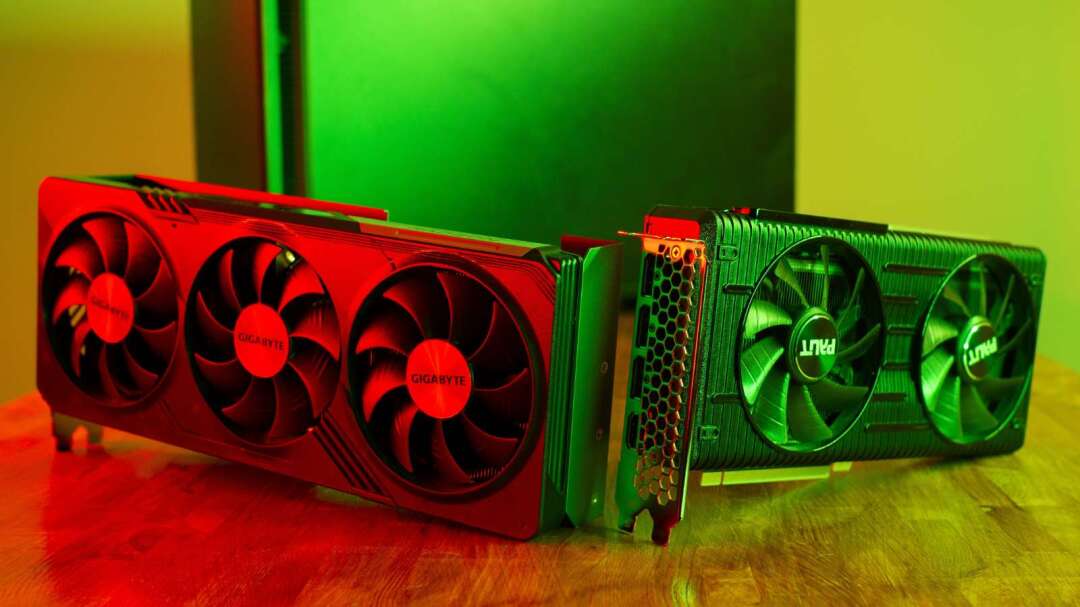
Due to the continuous rise in memory prices, the graphics card market is experiencing its third price hike wave this year. Major semiconductor manufacturers like NVIDIA have raised prices by 20-30%, which is expected to drive up the average shipping prices of board manufacturers such as ASUS and MSI. While AI proliferation is expected to drive replacement demand, a decrease in consumer market shipments is also a concern.
In Shenzhen Huaqiangbei, the world's largest electronics wholesale market, graphics card prices have been surging daily, with some popular and high-end models rising by hundreds to thousands of yuan in just a few days, with price increases exceeding 30%. Even the second-hand market prices have risen in tandem. MSI has officially followed in the footsteps of ASUS and Gigabyte, raising the shipping prices of graphics cards, with the highest price increase reaching 20%.
Regarding the impact of the surge in memory costs on the market, MSI stated that while the visibility of memory supply is only about one month and costs are rising, it is expected that the shipment volume in the consumer market this year may decrease by 10% to 20%. However, with peers strictly controlling gross profit margins and the increase in unit prices, it will still provide substantial help to overall profitability.
Gigabyte pointed out that the rise in memory prices indeed puts pressure on consumer demand. However, with the continuous popularization of AI applications, it will effectively drive the replacement demand for existing computer equipment. The business outlook for motherboards and graphics cards in the second half of the year remains cautiously optimistic.
Although research institutions have warned of a significant risk of rising memory contract prices in the second half of the year, and chip manufacturers have adopted strategies such as delaying the launch or adjusting production capacity for some high-cost high-end graphics cards, various board manufacturers are actively controlling product gross profit margins and adjusting product pricing at any time. The market expects that the price adjustment effect will continue to be observed until the year-end shopping season, and the overall high-value-added product combination will continue to support the operational resilience of board manufacturers.
FACT BOX
- Source: PR Times
- Category: News