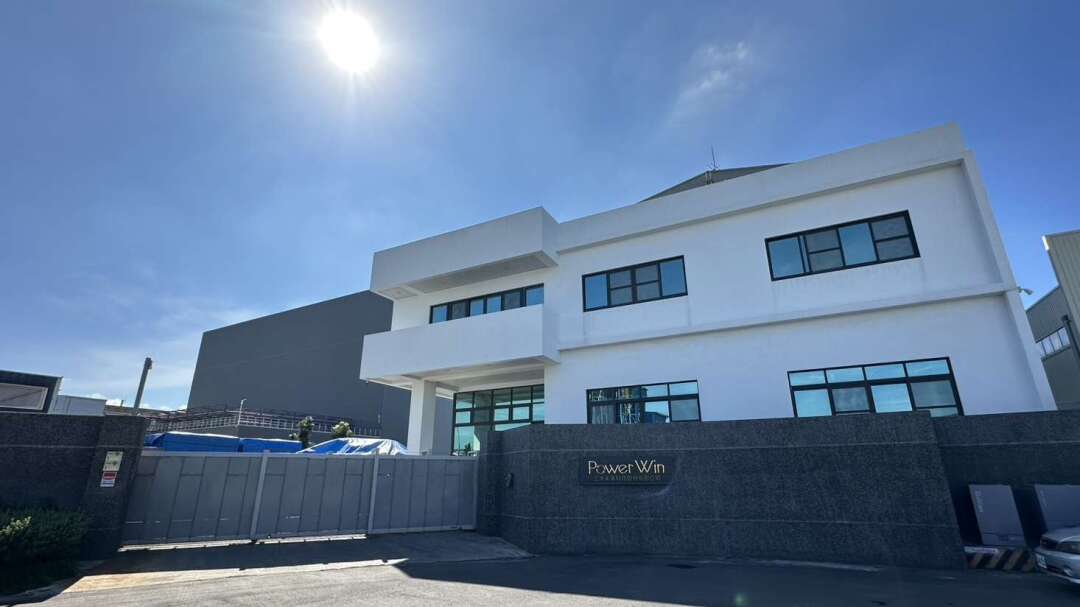
San Da Future (7761-TW) announced its H1 2026 financial results today. Benefiting from increased processing volume of secondary lithium-ion batteries, improved capacity utilization, and stable performance in recycled material sales, H1 2026 revenue reached NT$141 million, with post-tax net profit of NT$18.08 million (up 63% year-on-year), and earnings per share (EPS) of NT$0.63. Due to continued expansion of operations and improved profitability, the company's H1 net profit has already surpassed its full-year 2025 level.
Looking ahead, the company expects its operational and profit performance in H2 2026 to exceed that of H1.
In H1 2026, San Da Future's processing capacity for lithium-ion batteries steadily increased, with electric vehicle (EV) battery processing volume growing nearly eightfold compared to the same period last year. The average utilization rate of secondary lithium-ion batteries also rose from 41% in the same period last year to 50%. Additionally, the average LME cobalt metal price in H1 was higher than the same period last year, boosting recycled material sales revenue and driving overall revenue growth. As revenue scale steadily expanded while operating expenses remained stable, H1 average gross margin, operating margin, and net profit margin all significantly improved compared to the same period last year, driving overall profit growth.
San Da Future stated that its current secondary lithium-ion battery capacity utilization rate is around 50%. With continued expansion of recycling sources and stable growth in EV battery processing volume, EV-related business contributed 2.1% to profits in H1. As automakers' demand for retired battery recycling continues to grow and large-scale lithium-ion battery recycling projects gradually ramp up, the company expects capacity utilization to continue rising in H2, further realizing economies of scale.
For H2 2026, San Da Future plans to continue focusing on improving capacity utilization and process efficiency, expanding EV and large battery recycling operations, deepening collaborations with automakers, 3C manufacturers, and business units, and further strengthening recycled material sales and cost control. With continued improvement in capacity utilization, the company aims to steadily drive operational growth.
The company stated that battery recycling processing fees and recycled material sales revenue will remain the main drivers of operational growth in H2. With continued increases in waste battery recycling volume, favorable recycled material prices, and the Pingtung Jiadong plant's capacity benefits gradually being realized, H2 operational and profit performance is expected to exceed H1. The company maintains a cautiously optimistic outlook for full-year 2026 performance.
FACT BOX
- Source: PR Times
- Category: News