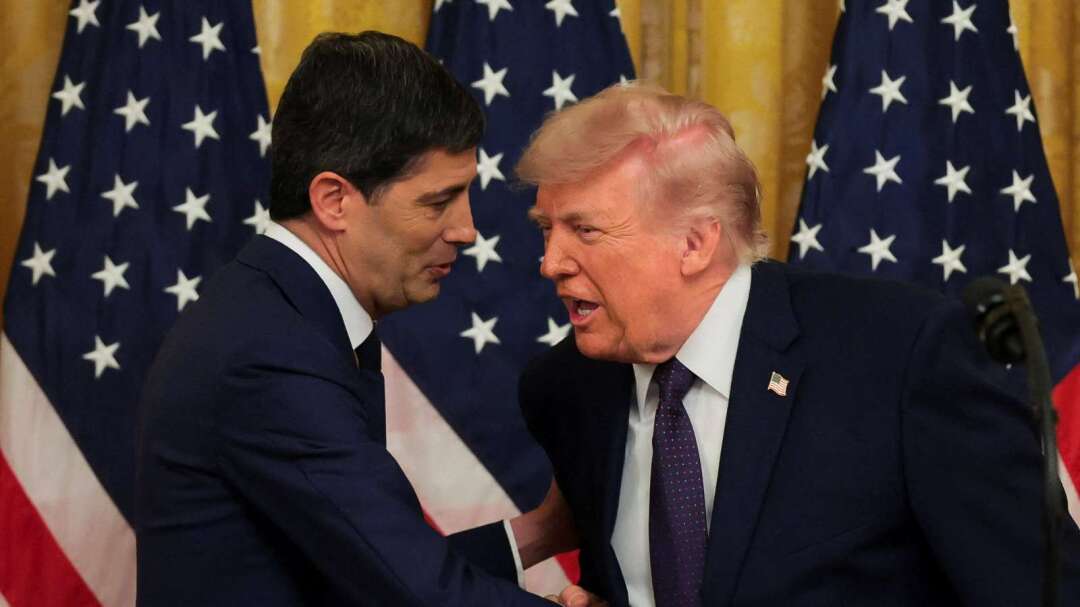
U.S. President Donald Trump denied frequent contact with Federal Reserve Chairman Kevin Warsh, emphasizing that it was a brief conversation. The Federal Reserve is expected to make monetary policy decisions independently of political pressure, and this call has reignited concerns about the Fed's independence. President Trump has been publicly calling for interest rate cuts, but the Fed chairman stated that he ultimately makes policy decisions based on his own judgment.
The Fed's interest rate policy is decided collectively by the Federal Open Market Committee (FOMC), and the chairman cannot decide the direction of interest rates unilaterally. Direct contact between the U.S. president and the Fed chairman has been relatively rare in recent years. President Trump is expected to return to the White House in 2025, but he only held one formal meeting with former chairman Jerome Powell. The two also visited the Fed's headquarters renovation project, during which Trump accused Powell of mismanaging the project.
In addition to publicly pressuring for interest rate cuts, President Trump recently pushed again to remove Fed Governor Lisa Cook. Cook has served on the Fed's board for 14 years, and it is unclear whether the call with Warsh occurred before or after Trump's renewed request to remove Cook. This call has once again made the Fed's independence a market focus. The U.S. Congress authorizes the Fed to set interest rate policies without political influence.
Historically, in the 1970s, close ties between Fed Chairman Arthur Burns and President Nixon led to subsequent inflation, serving as a typical example of the risks of political intervention in monetary policy. On the other hand, Warsh's June schedule shows that he met with U.S. Treasury Secretary Scott Bessent three times, continuing the long-standing practice of the Fed chairman and the Treasury secretary having regular breakfasts and exchanging views.
FACT BOX
- Source: PR Times
- Category: News