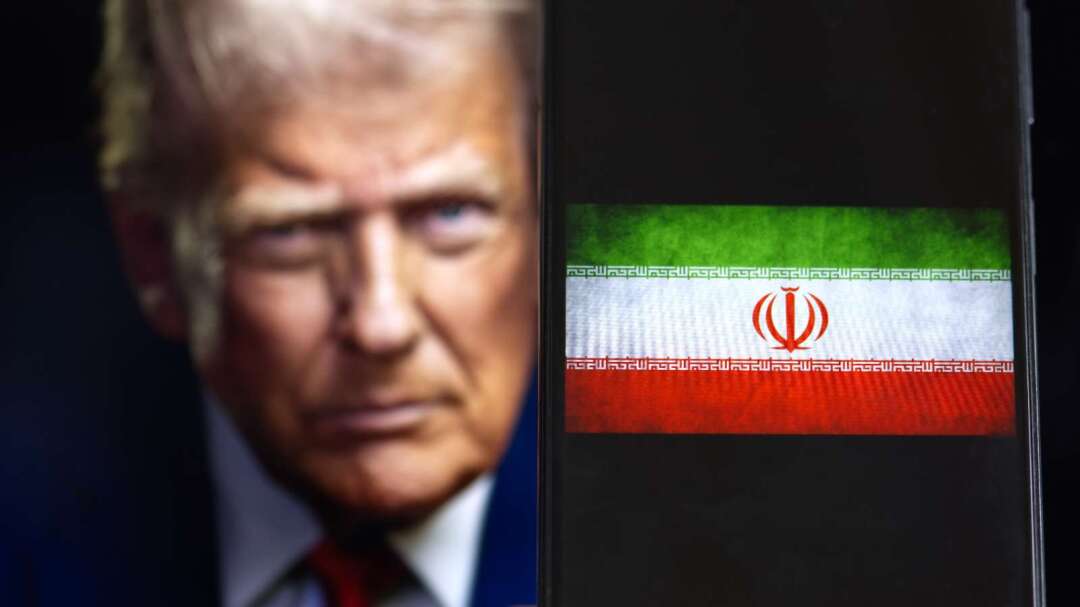
The current standoff between the United States and Iran over the Strait of Hormuz remains in a highly tense stalemate, with both sides presenting starkly different narratives on the progress of negotiations. U.S. President Donald Trump stated he is adopting a 'low-key' strategy, preferring sustained economic pressure over launching new military strikes to counter Tehran's challenges.
Meanwhile, Iran has clearly denied engaging in any form of direct talks with the United States, emphasizing that the two sides are only exchanging messages through intermediaries.
Trump Uses Economic Pressure as Leverage
Trump described the current impasse as 'a game of chess' and said, 'Things will eventually work out.' In a call, he noted that the U.S. is in a 'semi-negotiation' state with Iran and is closely monitoring the country's severe inflation and financial shortages.
Trump believes Iran's current economic situation is 'very bad,' even to the point of being unable to pay its military expenses, and that the U.S. naval blockade is further deepening Tehran's economic crisis. With oil prices currently hovering around $75 to $83 per barrel, the pressure felt by American consumers is relatively low, giving Washington greater flexibility in decision-making.
Iran Demands Six Strict Conditions for Revival
In contrast to Washington's wait-and-see approach, Iran has set extremely high thresholds for restarting negotiations. According to Iran's state-run IRNA news agency, Mohammad Baqer Zolqadr, Secretary of Iran's Supreme National Security Council, has laid out six conditions for reopening the Strait of Hormuz. These include: the U.S. must never threaten Iran, cease all acts of aggression, lift the naval blockade and withdraw military forces from surrounding areas, compensate for all war damages, remove all sanctions, and unconditionally unfreeze Iranian assets.
Iranian Foreign Minister Abbas Araghchi emphasized that unless the U.S. stops violating previous memorandums of understanding and takes corrective actions, there is no basis for resuming talks.
Oman Corridor and Regional Risks
Despite little hope for full-scale resumption of talks, negotiations between Iran and Oman regarding a 'temporary shipping lane' within the strait are nearing an agreement. However, Tehran has drawn a clear line, stating that this is merely a technical adjustment to shipping routes and does not equate to fully reopening the Strait of Hormuz. This strategic waterway, through which about one-fifth of global oil shipments pass, has been largely closed since February this year following clashes between the U.S.-Israel and Iran.
Maritime transportation risks remain extremely high. The Abu Dhabi National Oil Company (ADNOC) reported that its vessels continue to suffer missile attacks, and the Houthi movement has claimed attacks on Saudi oil refining facilities.
On the military front, U.S. Vice President JD Vance believes the conflict has entered the 'midgame,' but there is growing concern within the U.S. military about prolonged combat. Reports indicate that the U.S. military has consumed large quantities of its THAAD and Patriot interceptor missile inventories, and senior military officials are seeking diplomatic avenues to alleviate military pressure.
FACT BOX
- Source: PR Times
- Category: News