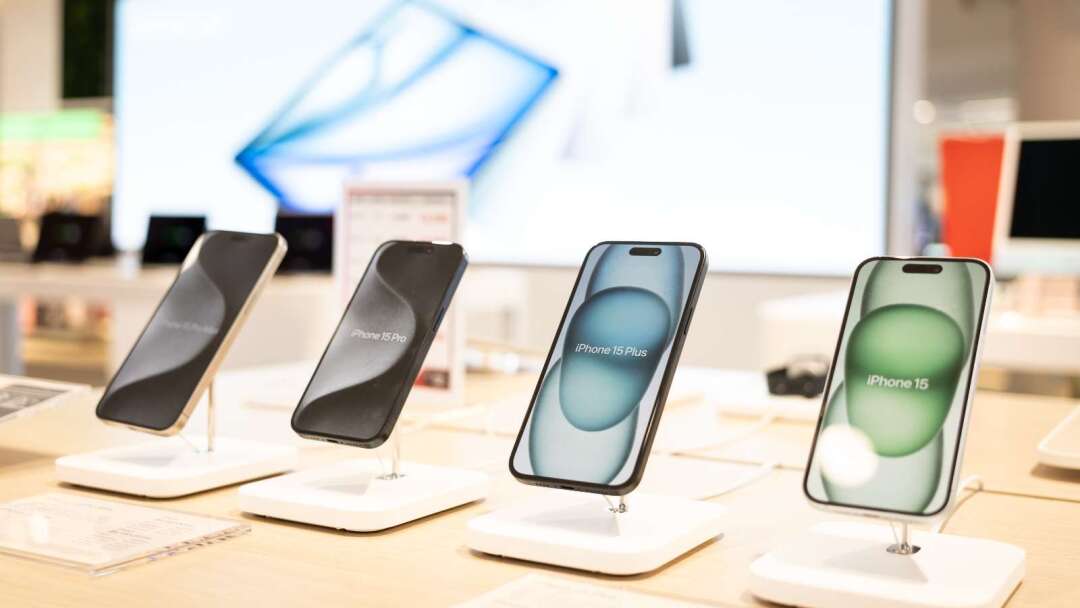
According to the latest smartphone industry research by TrendForce, rising component prices, led by memory, are driving up the overall manufacturing cost of Apple's upcoming iPhone 18 series. Taking the 256GB model's BOM cost (bill of materials cost) as an example, it is estimated to increase by approximately 38% year-on-year, inevitably leading to higher retail prices. To avoid negatively impacting consumer purchasing intent, Apple may strategically reduce its profit margins to control the extent of price increases, thereby securing market share expansion.
Analyzing the BOM cost of the past two generations of iPhone Pro series 256GB models, the memory cost share has rapidly grown from around 10% a year ago to approximately 34% by the third quarter of 2026. It is expected to surpass 40% in the first half of 2027, completely overturning the previous cost structure dominated by application processors (AP) and display panels.
Due to surging memory prices, TrendForce estimates that the cost of the iPhone 18 Pro 256GB model in the third quarter of 2026 will be about 38% higher than that of new models launched in the same period of 2025. In 2027, with memory prices expected to remain on an upward trajectory, the cost increase for the iPhone 18 Pro 256GB could further expand.
TrendForce notes that, referencing the recent pricing strategy of new MacBook models, Apple may sacrifice gross margins to suppress the price increase of the iPhone 18 Pro series, thus stabilizing shipment volumes. Additionally, Apple may reconsider the pricing mechanism for older models, potentially raising the prices of existing models after the launch of new ones to mitigate the impact of rising memory costs.
Even Apple, which enjoys strong profitability, faces such pressure. The margin challenges confronting the Android阵营 (Android阵营) will be even more severe. To reflect costs while maintaining basic operations and avoiding negative gross margins, Android smartphones will likely see even more significant retail price increases compared to iPhones.
In the mid-to-low-end market segment, where profit margin buffers are limited, brands are forced to either significantly raise prices or scale back or discontinue product lines already operating at a loss, in response to the cumulative 5- to 7-fold increase in memory prices since early 2025. TrendForce anticipates that, as memory costs continue to rise, global smartphone production volumes will continue to face downward pressure from the second half of 2026 through 2027.
FACT BOX
- Source: PR Times
- Category: Survey
- Organizations: Apple / TrendForce
- Products / services: iPhone 18 Pro