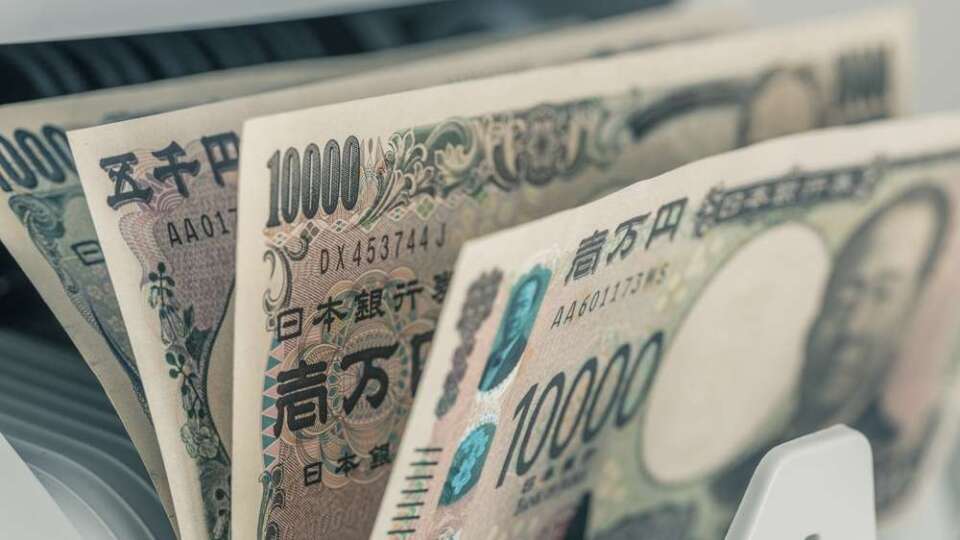
The yen reversed from gains to losses, giving up about half the appreciation sparked by the historic joint intervention by the U.S. and Japan.
On Monday (10th), the yen closed lower, depreciating 1% against the U.S. dollar to 159.29 yen, making it the weakest-performing currency among G10 nations that day. This decline erased roughly half of the recent intervention-driven rally, marking a psychologically significant turning point for traders closely watching whether authorities will act again.
Lee Ferridge, strategist at State Street, said the yen will continue to weaken without new intervention measures. The market appears disappointed that officials have not taken further action.
Around the start of the month, the U.S. and Japan jointly conducted their first coordinated currency-buying intervention since 1998, helping the yen rebound from a nearly 40-year low. The currency had weakened to around 164 yen per dollar in late July before surging to a peak of 155 yen in early August following the joint support.
Around the start of the month, the U.S. and Japan jointly conducted their first coordinated currency-buying intervention since 1998, helping the yen rebound from a nearly 40-year low. The currency had weakened to around 164 yen per dollar in late July before surging to a peak of 155 yen in early August following the joint support.
However, the yen has since weakened again, with market focus returning to fundamental factors affecting exchange rates. Large interest rate differentials between the U.S. and Japan, concerns over Japan's fiscal outlook, and geopolitical uncertainties continue to weigh on the yen. Despite warnings from officials in Tokyo and Washington that they may act again if necessary.
Kamakshya Trivedi and other strategists at Goldman Sachs noted in a report: 'We believe the market's reaction post-intervention has been relatively limited, reflecting that fundamental factors behind yen weakness remain intact.' They expect, 'unless there is a shift in the global environment or unexpected policy adjustments, yen depreciation pressure will re-emerge over time.'
This reversal highlights the limitations of intervention in reversing the yen's overall trend while the core forces driving its decline remain largely unchanged. This has sparked market speculation that authorities may intervene again to support the exchange rate.
Some investors worry that with Japan observing a holiday on Tuesday, lower-than-usual market liquidity could create favorable conditions for further intervention. Yujiro Goto and other strategists at Nomura Securities stated in a report that market participants are closely watching official statements, 'the focus will remain on the stance of Japanese and U.S. authorities toward foreign exchange intervention.'
Alex Cohen, foreign exchange strategist at Bank of America, believes that to drive further yen appreciation, either a more 'forceful' intervention or a signal from the Bank of Japan about a September rate hike would be needed.
Brendan Fagan, market strategist at Bloomberg, believes yen intervention can clear leverage and reset exchange rates, but the factors driving yen weakness remain unless there is meaningful convergence in interest rate differentials or a significant rise in market volatility that reduces the appeal of carry trades.
At its late-July policy meeting, the Bank of Japan kept interest rates unchanged, but Governor Kazuo Ueda sent a hawkish signal in his post-meeting press conference, emphasizing rising upside risks to inflation. The meeting summary also showed multiple officials noting inflation risks are increasing, with one board member suggesting the pace of rate hikes could accelerate.
Markets currently price in about a 63% chance of a Bank of Japan rate hike in September, while a hike in October is almost fully priced in.
Paresh Upadhyaya, strategist at Pioneer Investments, said: 'Unless accompanied by stronger policy actions, I remain skeptical of significant yen appreciation. A September rate hike alone is not enough to support a stronger yen.'
FACT BOX
- Source: PR Times
- Category: News
- Organizations: State Street / Pioneer Investments