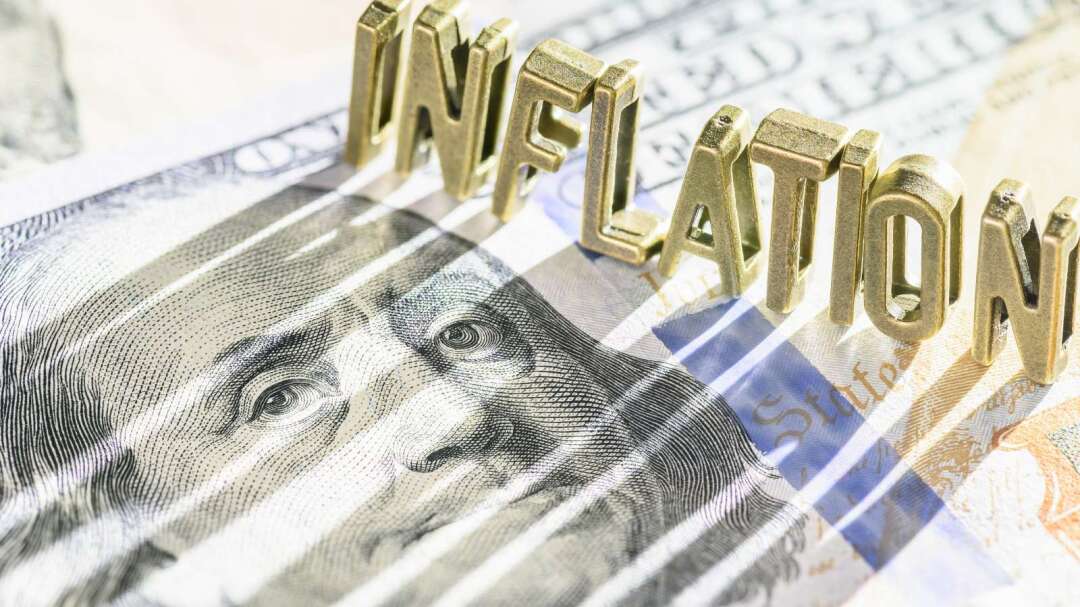
The new chair of the Federal Reserve (Fed), Kevin Warsh, emphasized that the inflation target is strictly 2%. However, Wall Street's optimistic outlook on future inflation and U.S. debt risks may be underestimating the long-term consequences of worsening U.S. fiscal conditions. Reflecting on how the U.S. used inflation after World War II to manage high debt levels, and considering today's soaring deficits and national debt, investors may need to reconsider: if inflation remains above 2% in the long term, can their retirement and investment plans withstand the pressure?
According to a MarketWatch report, Warsh made a rare strong statement at a press conference on July 29, vowing to bring inflation back down to the official 2% target.
He stated clearly: "There is no such thing as a 'soft' inflation target, nor any tolerated leniency. There is only one target: 2%."
Wall Street appears willing to accept this. Based on the yield spread between inflation-protected bonds and regular Treasury bonds, investors expect the average inflation rate over the next ten years to be around 2.25%, betting that the Fed will not only bring inflation down but also keep it close to the 2% threshold, with a safety margin of just 0.25 percentage points.
However, analysis suggests that this optimism may not withstand scrutiny when compared to recent actual data.
Over the past five years, the U.S. average inflation rate has been as high as 4.2%, and the most recent 12-month price increase stands at 3.5%. Analysts generally expect this week’s Labor Department data to show no significant slowdown.
Analysts warn that for individuals planning retirement or long-term financial strategies, Wall Street’s 'calm and stable' forecasts should be viewed with skepticism. A more practical approach is to build larger buffers into financial plans and consider whether those plans would still hold if inflation averages 3% or even 4% over the coming decades.
The report notes that the market is currently flooded with misleading claims, such as 'U.S. Treasuries have never failed, so they never will.'
Experts argue that this logic is as flawed as saying, 'I’ve never died before, so I’ll never die.'
Data shows that U.S. debt as a percentage of GDP was around 55% at the start of the millennium, rose to 62% just before the 2007 financial crisis, and has now surged past 120%.
Another concerning narrative compares the current situation to the post-WWII era, when U.S. debt also approached 120% of GDP. Back then, the U.S. supposedly 'grew its way out' of the debt burden through rapid economic growth.
The report argues this view, while seemingly reasonable, is actually misleading.
In reality, the U.S. escaped massive war debt not primarily through economic growth, but through inflation. From 1945 to 1981, the average U.S. inflation rate was as high as 4.7%, while the 10-year Treasury yield averaged only 2.8%.
In other words, the federal government effectively took wealth from those who lent it money through legal inflation. Bondholders’ real purchasing power eroded by about 2% annually, resulting in an estimated cumulative real loss of around 50% over 36 years.
Further data analysis shows that from 1932 to 1974, about three-quarters of investors who held 10-year Treasuries to maturity experienced negative real returns during their holding period. The rest barely achieved annualized returns below 1%, leaving little after fees and taxes.
Even the best-performing decade during this period—1956 to 1966—saw real annualized returns just under 1.2%.
Another often-overlooked factor is that the U.S. political system after WWII was far less dysfunctional than today. Between 1947 and 1960, the federal government ran budget surpluses in seven out of thirteen years. Even during the Korean War, the largest deficit was only 1.7% of GDP.
In contrast, today’s fiscal discipline has largely disappeared. Last year, despite peace and low unemployment, the U.S. federal deficit reached 5.8% of GDP, and this year’s deficit could be even higher.
The Congressional Budget Office (CBO) projects that by 2036, the federal deficit will rise to nearly 7% of GDP, and the total national debt will reach about 140% of GDP.
In other words, the last time debt levels were this high, Truman and Eisenhower administrations sought to reduce debt. This time, the U.S. is choosing to pile on more debt. This is why Wall Street’s optimism deserves skepticism.
For ordinary investors, Treasury Inflation-Protected Securities (TIPS), introduced in the late 1990s, currently offer a real yield of up to 3%, making them a practical tool against inflation risk.
However, it should be noted that if the bond market begins to seriously price in U.S. fiscal risks and panic selling ensues, TIPS may not be fully immune to price volatility.
Most market experts, including many pessimists, believe that if held to maturity, TIPS’ principal and interest remain relatively reliable, even if prices fluctuate significantly in the interim.
In the worst-case scenario—if the U.S. government were to 'cut' Treasury principal and interest payments, failing to pay full nominal principal—the panic in the bond market would be the least of concerns; the real disaster would spread across the entire financial system.
Still, the report notes this remains a hypothetical scenario, and actual outcomes remain to be seen.
FACT BOX
- Source: PR Times
- Category: News