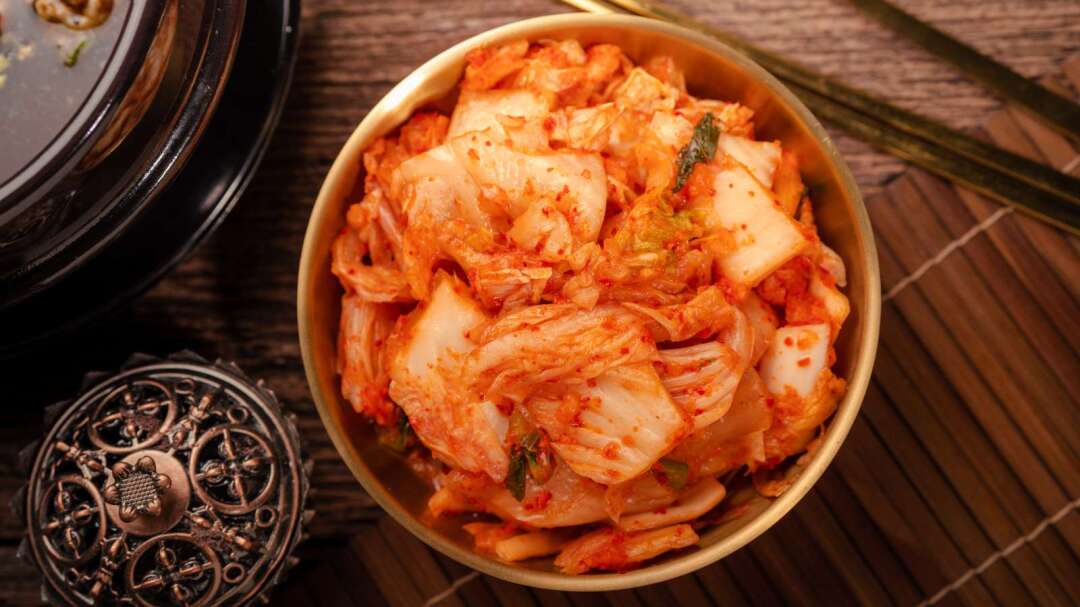
According to reports from South Korean media outlets such as Yonhap News Agency and The Korea Times on the 9th (Sunday), while the global popularity of Korean culture and cuisine continues to rise, domestic consumption of kimchi—a traditional fermented side dish—has sharply declined over the past 15 years. Once a staple on every meal table, kimchi is gradually shifting from a daily side dish to a cooking ingredient.
A joint analysis by research teams from Chung-Ang University, Jeju National University, and the World Institute of Kimchi, presented by the Korean Society of Community Nutrition, examined data from the National Health and Nutrition Survey between 2010 and 2024. The results show that the proportion of respondents who reported not eating kimchi within the previous 24 hours rose from 11.7% in 2010 to 22.7% in 2024—an increase of 11 percentage points.
By gender, the percentage of men who did not consume kimchi within 24 hours increased from 10.2% to 20.6%, while for women, it rose from 13.1% to 24.8%. Across all age groups—except children under nine—the rate of consuming kimchi as a direct side dish during main meals has significantly declined.
The shift is most pronounced among young adults aged 20 to 39. The proportion of this group eating kimchi purely as a side dish dropped sharply from 82% in 2010 to 66% in 2024. In contrast, the use of kimchi as an ingredient in soups, stews, and stir-fries has increased across all age groups, indicating a transformation in kimchi’s role—from a traditional banchan (side dish) to a flavoring or supplementary component in cooking.
This trend reflects broader changes in South Korea’s dietary habits. The long-standing meal structure of 'rice, soup, and kimchi' is being eroded by the growing influence of Westernized diets, the rise of food delivery services, and the widespread availability of ready-made and convenience foods. Younger generations, in particular, favor quick and easy meals, leading to a reduced frequency of traditional Korean home-cooked meals and, consequently, less regular kimchi consumption.
Societal changes are also contributing to this shift. With the number of single-person households steadily increasing, the traditional practice of families collectively preparing and fermenting large batches of kimchi—especially during the winter kimjang season—has diminished.
Notably, the study revealed a clear income-based divide in kimchi consumption. Lower-income groups continue to consume kimchi more frequently, highlighting significant socioeconomic disparities in dietary patterns. Kimchi remains an affordable, nutritious, and shelf-stable food, making it a dietary staple for economically disadvantaged households.
FACT BOX
- Source: PR Times
- Category: Survey