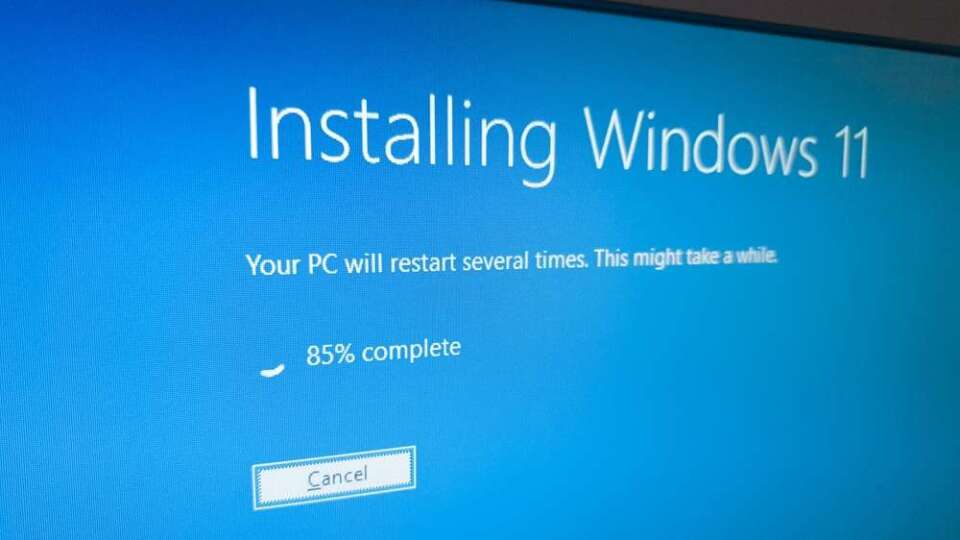
The global consumer electronics industry is facing significant pricing pressure this year, as shortages in memory and logic chips have driven up hardware costs. Now, this wave of price increases has extended to software. Industry sources indicate that Microsoft (MSFT-US) has raised Windows 11 licensing fees by up to 10%. This increase does not target DIY users but directly affects OEM manufacturers selling complete systems, further increasing their cost burden.
According to PC OEM vendors, while Microsoft typically makes minor annual adjustments to licensing fees, this year’s hike is notably larger, averaging between 7% and 10%. Moreover, the fee adjustment is not uniform; instead, it follows a tiered pricing model based on processor performance—higher-end CPUs incur higher fees.
Structurally, while Microsoft's licensing fees have less impact on overall PC pricing than surges in memory and SSD prices, they remain a key factor contributing to higher end-user computer purchase costs compared to previous years.
Faced with the dual pressure of rising hardware and software costs, PC brand manufacturers are encountering operational challenges this year. Reports suggest that major players like ASUS and Acer will raise prices by approximately 5% later this year. Compared to Q4 2025, ASUS products have already seen average price increases reaching 30%.
A PC brand executive admitted that while product retail prices have gradually reflected the increased licensing fees from Microsoft, the massive price hikes in other critical components this year have made consumers and enterprises less sensitive to individual cost changes.
Compounding the issue, recent global PC shipment volumes have shown a clear decline. According to a Counterpoint Research report, global PC market shipments in Q2 2026 declined year-on-year by about 4% to 4.9%—the first contraction since Q1 2025.
Major producers such as Lenovo Group (00992-HK), HP (HPQ-US), and Dell (DELL-US) are all grappling with falling sales volumes, while Apple stands out as one of the few companies to see shipments grow by over 10%.
While rising prices could theoretically boost corporate profits, Counterpoint notes that although Windows migration cycles and AI PC adoption continue to support some business replacement demand, soaring memory prices and component costs are squeezing OEM margins from both sides.
Industry experts warn that if this upward pricing trend continues unchecked, consumers may eventually become reluctant to buy new computers—an alarming prospect for the entire industry.
FACT BOX
- Source: PR Times
- Category: News
- Organizations: ASUS / Acer / Lenovo
- Products / services: Windows 11 / AI PC