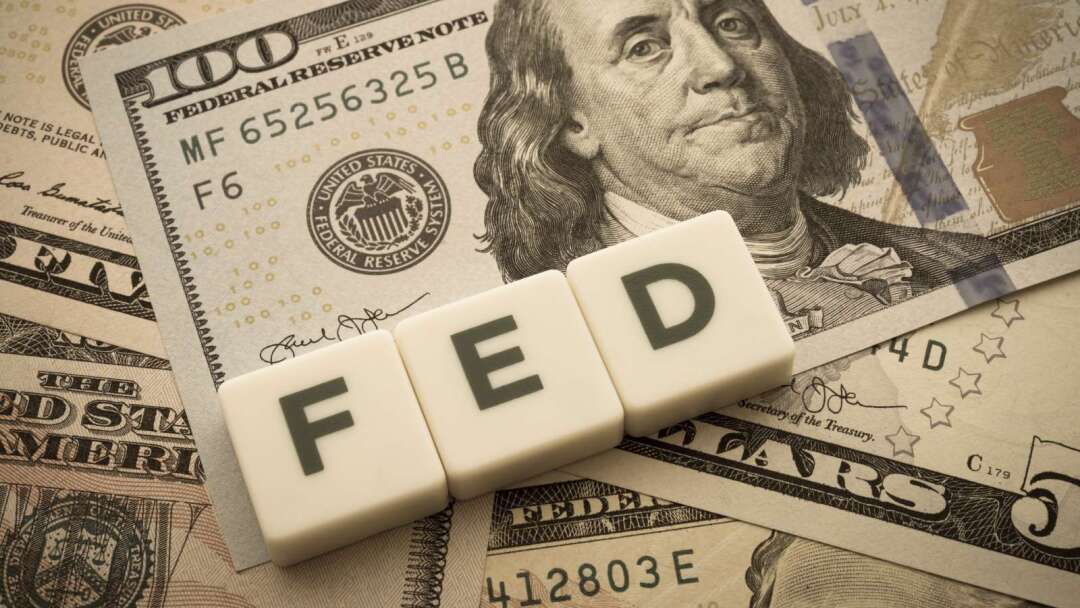
U.S. July Consumer Price Index (CPI) data showed inflation slowed for the second consecutive month, significantly reducing the Federal Reserve's (Fed) expected pressure to raise interest rates at its September meeting.
Market traders currently estimate a roughly 55% probability of holding rates steady in September. With inflation having peaked and gradually cooling, the Fed now has more room to balance the risks between price pressures and slowing hiring.
Data released Wednesday (12th) showed core CPI (excluding food and energy) rose 2.5% year-on-year in July, down from 2.6% in June, while the monthly increase held steady at 0.2%. Both figures met economists' expectations and marked the lowest annual rate since March 2021.
The easing of inflationary pressure was primarily driven by falling energy prices. Despite geopolitical tensions in Iran causing energy volatility, the overall energy index declined by 1.5% in July, with gasoline prices averaging lower in July compared to June. Additionally, food prices saw their first decline since March, partly due to record drops in lettuce prices following an outbreak.
Core services inflation excluding housing—also known as SuperCore CPI—fell to a 2.78% year-on-year increase, the lowest since September 2021, indicating that underlying inflationary pressures are receding.
Beyond cooling prices, weak employment data has also become a key reason for the Fed to pause rate hikes. The U.S. lost approximately 23,000 jobs in July, and real average hourly earnings declined by 0.2% compared to the previous year.
Fed Governor Lisa Cook stated that while she remains prepared to act if inflation does not improve, she is now more focused on the impact of rate hikes on labor market stability. She noted that current disinflationary forces may already be effective, suggesting further rate increases may not be necessary.
Internal Fed sentiment and market forecasts indicate a majority of Fed members currently favor holding rates steady, including Chair Kevin Warsh, and Fed Governors Powell and Waller. Although members like Cleveland Fed President Beth Hammack still argue inflation remains broad-based and may require multiple hikes, the July report has given most policymakers greater justification to adopt a wait-and-see approach.
FACT BOX
- Source: PR Times
- Category: News