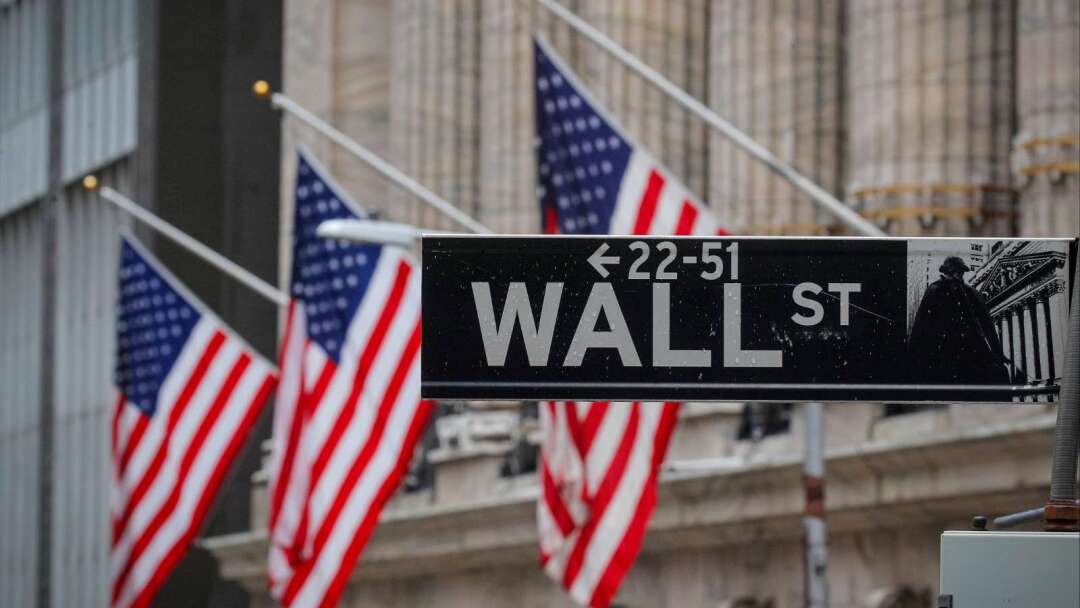
The U.S. July Consumer Price Index (CPI) came in as expected, avoiding the feared surprise uptick in inflation and slightly easing pressure on the Federal Reserve (Fed) to raise rates in September. Wall Street analysts have identified three key signals from the report: core inflation continues to cool, weakening labor market conditions support a wait-and-see approach by the Fed, but underlying price pressures remain elevated, compounded by uncertain Middle East developments and oil price outlook. Therefore, while this report strengthens the case for a September hold, it does not yet signal the end of inflation concerns.
The U.S. July CPI rose 0.1% month-over-month and 3.4% year-over-year. Core CPI increased 0.2% monthly and 2.5% annually—both in line with market expectations. U.S. stocks opened higher, with the 2-year and 10-year Treasury yields falling 4.2 and 3.2 basis points respectively. The dollar index dipped 0.1%. Interest rate futures indicate a roughly 55% chance that the Fed will keep rates unchanged at 3.50%–3.75% during its September 15–16 meeting, similar to pre-data levels.
The data is not bad, but not good enough—the debate over a September hike remains unresolved.
Lindsay Rosner, Head of Multi-Asset Fixed Income Investments at Goldman Sachs Asset Management, described the July CPI as merely the 'first hurdle' ahead of the Fed’s September meeting, noting that another round of inflation data will be released before the decision. While various outcomes remain possible, the fact that core inflation remains under control and continues the prior month’s trend of easing underlying price pressures does strengthen the rationale for a September pause.
Christopher Hodge, U.S. Chief Economist at Natixis, stated that inflation is moving slowly but steadily along a disinflationary path. This marks the third consecutive month of encouraging core CPI results, with the three-month annualized pace declining for four straight months—indicating broad-based inflationary pressures are continuing to weaken. After last week’s disappointing jobs report, the market’s threshold for what constitutes 'positive inflation data' has lowered, and the July CPI clearly meets that bar.
Robert Pavlik, Senior Portfolio Manager at Dakota Wealth, noted that the market’s modestly positive reaction wasn’t due to exceptionally strong data, but because investors had feared inflation might be worse than expected. The outcome matching forecasts, combined with the weak nonfarm payrolls report, reduced concerns that the Fed might be forced to hike due to energy-driven inflation.
Sam Stovall, Chief Investment Strategist at CFRA Research, believes that with no surprise inflation uptick and recent signs of slowing economic growth and labor market weakness, the likelihood of a September rate hike is very low. He even suggests the Fed may not hike rates at all this year. While new Fed chairs often begin their tenure with a rate hike and the Fed faces pressure to maintain its anti-inflation credibility, the current economy may not withstand aggressive tightening. Even a small rate increase is unlikely to mark the start of a new aggressive hiking cycle.
Hawks remain vigilant—price stability credibility still justifies a hike
Not all analysts believe the Fed can afford to stay on hold. George Brown, Senior Economist at Schroders, pointed out that the July CPI does not truly resolve the debate over the Fed’s next move. While the labor market appears to be weakening, certain underlying inflation indicators remain red-flagged, leaving policymakers with conflicting signals ahead of the September meeting.
Brown emphasized that recent selling of long-dated U.S. Treasuries means the Fed must avoid any perception that it is wavering in its commitment to price stability. Hawkish rhetoric has limited impact—actual policy actions are more persuasive than verbal assurances. Therefore, he still sees the ultimate rate direction as higher, though the timing of the first hike remains unclear.
George Bory, Chief Investment Strategist for Fixed Income at Allspring Global Investments, believes U.S. inflation may have passed its peak, and the July data has indeed eased some pressure on the Fed. However, he cautioned it’s too early to declare victory, as several core inflation metrics remain elevated. He expects no rate hikes this year, but this view heavily depends on oil prices and Middle East developments.
Daniela Hathorn, Senior Market Analyst at Capital.com, also stated this is a helpful report for the Fed, but not a signal to stand down. Inflation is moving in the right direction following prior energy shocks, and recent labor market weakness gives officials less reason to hike again in September. However, headline CPI remains at 3.4% year-over-year—well above the Fed’s 2% target—and energy prices are nearly 15% higher than a year ago. Fed Chair Kevin Warsh is unlikely to declare victory just yet.
Oil prices remain the biggest wildcard—consumer fatigue limits pricing power
Brian Jacobsen, Chief Economist at Annex Wealth Management, described inflation as not yet flashing a 'red alert,' though overall conditions remain far from ideal, with improvement underway. Some sectors still face extreme price pressures—computer software and accessories prices rose 21.2% year-over-year. In contrast, housing and insurance inflation are gradually cooling, and there is no clear evidence yet that volatile energy prices have broadly spilled over into other consumer categories.
Jacobsen noted that consumers, long burdened by high prices, are now fatigued, with reduced purchasing power and less tolerance for price hikes—limiting producers’ ability to pass on costs. This could help contain broad inflationary diffusion but also reflects that household cost-of-living pressures remain significant.
Marc Chandler, Chief Market Strategist at Bannockburn Global Forex, expected a more pronounced dollar decline given weak employment data and market expectations of softer CPI. Yet, the FX market reaction was muted. The dollar weakened only slightly post-CPI, suggesting markets only marginally lowered the odds of a September rate hike.
Analysts’ consensus is that the July CPI did not push the Fed toward a hike, but it also did not fully rule one out. Cooling inflation and weak employment bolster the case for a September hold, but oil price trends, August employment and inflation data, and the Fed’s desire to maintain policy credibility could still alter the final outcome.
FACT BOX
- Source: PR Times
- Category: Survey
- Organizations: Goldman Sachs Asset Management / Natixis / Dakota Wealth