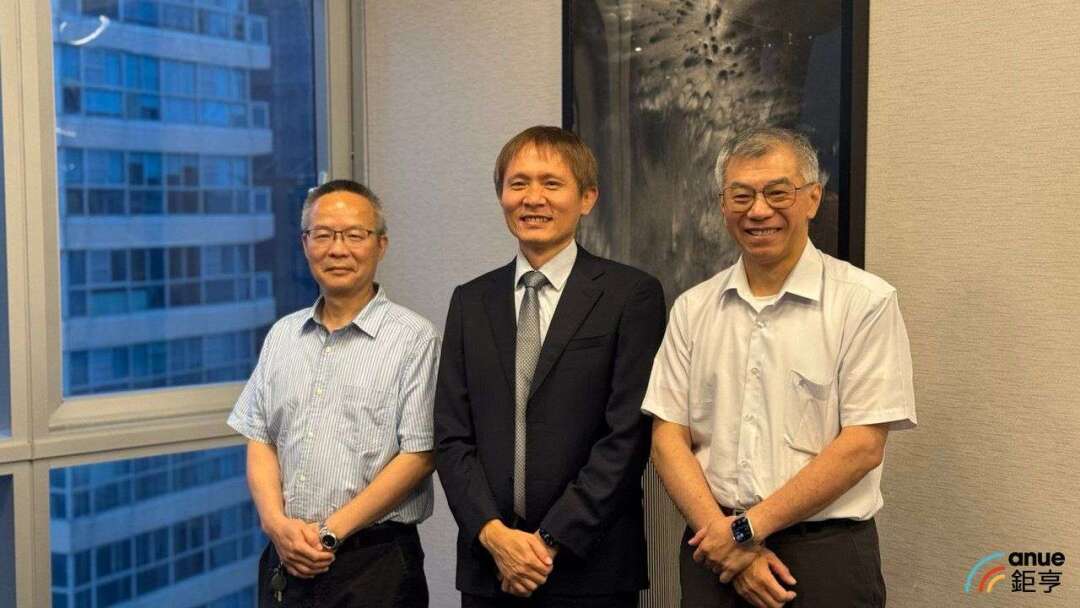
Tianhong (6937-TW), a semiconductor equipment manufacturer, sees strong momentum in its second-half operations. CEO Yi Jinliang expressed optimism, noting that current order visibility has already extended into the first quarter of next year. The company continues to maintain a busy schedule for both new orders and shipments. Notably, driven by ongoing capacity expansion in advanced packaging, the shipment proportion of ALD-related equipment is significantly increasing in the second half. Additionally, the 310×310mm square advanced packaging equipment has received follow-up orders from multiple different customers, with mass deliveries expected to peak by year-end, becoming a major growth engine for the second half.
Yi Jinliang pointed out that semiconductor equipment market demand remains robust, with many equipment makers’ order books filled into next year. Tianhong’s newly secured orders now extend into the first quarter of 2027. In terms of product mix, ALD-related equipment will account for a notably higher share of second-half shipments.
Advanced packaging is currently one of Tianhong’s primary growth sources. Yi explained that equipment demand closely follows customer-led expansion in advanced packaging. The 310×310mm square equipment was previously delivered to customers, and the company is now receiving additional orders. Demand has expanded from domestic clients to international ones, with shipments scheduled to commence by year-end.
According to current delivery plans, revenue contributions from panel-level packaging equipment are expected to become more pronounced in the fourth quarter of this year, with subsequent deliveries continuing into Q1 next year. Tianhong noted that standard equipment lead times are approximately four months, but highly customized systems may take up to six months. Given that advanced process equipment typically involves high customization, this also enhances the value-added nature of their products.
Beyond existing equipment, Tianhong is actively advancing next-generation process technologies. The company is focusing on photo-assisted chemical reactions—a field where large overseas equipment vendors have historically invested less. While UV light was traditionally used for surface modification, Tianhong is now developing UV-assisted CVD and ALD processes to enable material deposition into finer geometric structures while reducing risks associated with plasma and high-temperature processes.
Tianhong emphasized that its proximity to Taiwan’s advanced process customers allows it to directly capture next-generation process requirements and engage in hardware co-development—forming a critical strategic move to transition from 'following' to 'leading'.
In optical communications and compound semiconductors, Tianhong anticipates continued rising demand for indium phosphide (InP). The company highlighted that applications such as high-speed optical communication and future CPO (co-packaged optics) require light sources, driving InP demand. The industry currently faces substrate supply shortages, prompting many customers to pre-install other process equipment while awaiting resolution of supply bottlenecks.
Tianhong’s entry into the InP market centers on automation equipment. Due to the brittle nature and high value of InP wafers, customers demand extremely high levels of automation in wafer handling, transfer, and processing. International tier-one customers are increasingly requiring full factory automation, giving Tianhong a competitive edge through its expertise in large-scale automated systems.
Third-generation semiconductors are also showing signs of recovery. Yi observed that while SiC and GaN demand was previously concentrated in automotive applications, rapid AI data center expansion is simultaneously increasing demand for high-efficiency power management and power semiconductors. Recently, utilization rates among SiC manufacturers in China and Taiwan have begun to rebound, with some Chinese firms nearing full capacity and initiating discussions on expansion. Moreover, SiC product quotations have started to rise, reflecting improved supply-demand dynamics and renewed industry confidence.
Tianhong expects that if third-gen semiconductor customers begin releasing new equipment orders by year-end, equipment suppliers could start deliveries in Q1–Q2 next year. As such, third-gen semiconductors could become another growth driver by 2027.
Regarding the market-watched EUV inspection equipment, Tianhong stated that additional specifications and functional requirements from customers necessitated further modifications, causing delays beyond the original schedule. The company now plans to deliver samples in Q1 next year and continue subsequent validation efforts.
FACT BOX
- Source: PR Times
- Category: News