Elon Musk, CEO of SpaceX (SPCX-US), has projected that the company's AI-related business revenue will exceed that of its rocket and Starlink operations by as early as September this year. He also announced plans to expand SpaceX's AI computing capacity to 10 gigawatts (GW) by the end of 2027. These developments propelled SpaceX's stock price to soar 9.65% on Wednesday (the 12th), closing at $146.15 per share—reversing the previous day's 3.9% decline.
During a company-wide meeting on Tuesday, Musk stated that 'AI and robotics will lead the future, and we must take the lead in this race.' He forecasted that within the next five years, network traffic generated by AI will reach 1,000 times that of human-generated traffic, underscoring the importance of computing infrastructure and satellite networks.
To capture this demand, Musk plans to scale SpaceX's AI computing capacity to 10 GW by the end of 2027—approximately ten times its current level. If successful, SpaceX could control 15% to 20% of all operational AI computing power in the United States.
Musk also revealed that Starlink currently has 22 million mobile users. However, the number of fixed wireless subscribers stood at approximately 12 million at the end of Q2, indicating a significant discrepancy between the two figures.
Reports speculate that the term 'mobile users' may include customers accessing satellite-to-phone services through partnerships with existing telecom providers. This technology primarily fills coverage gaps in traditional mobile networks and does not imply that SpaceX has launched its own standalone mobile phone service. SpaceX has not yet responded to these interpretations.
Concerns over competition in the satellite communications market have also affected traditional telecom stocks. Whenever Musk discusses wireless communication strategies, markets reassess the competitive pressures facing incumbent operators. On Wednesday, AT&T (T-US) fell 1.00%, while Verizon Communications (VZ-US) closed down 0.61%.
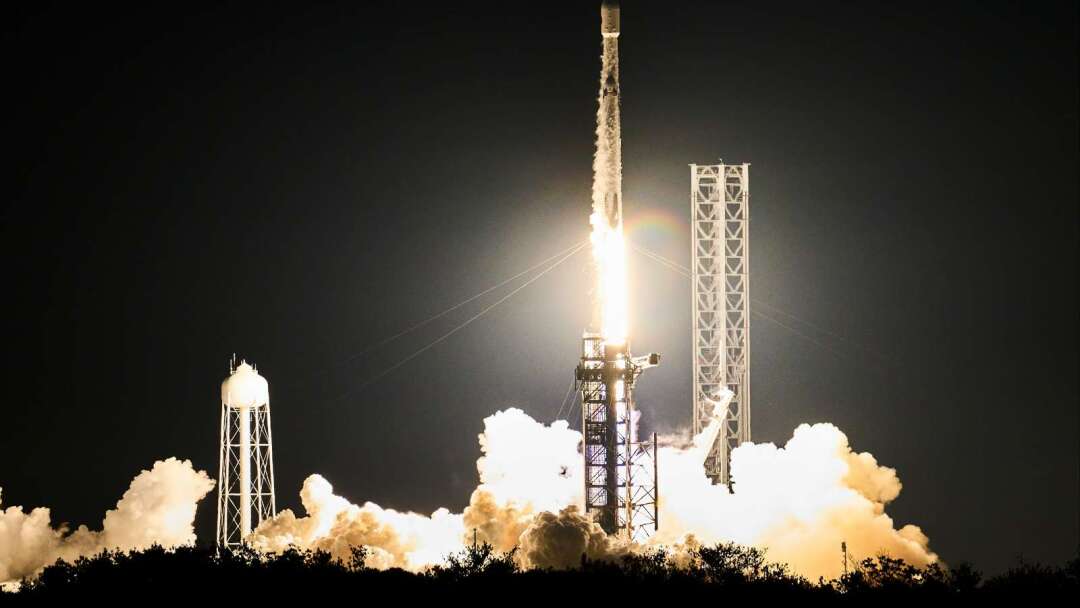
In addition to unveiling long-term strategic plans, SpaceX successfully launched 24 Starlink satellites from Vandenberg Space Force Base in California on Tuesday evening, placing them into low Earth orbit. This marked the 51st launch mission conducted by the company from the U.S. West Coast this year.
While AI initiatives are capturing market attention, Starlink remains SpaceX's primary revenue source, accounting for nearly 70% of total revenue. According to SpaceX's recently released Q2 financial report, satellite operations generated $4.29 billion in revenue during the three months ended June 30, 2026.
In contrast, the AI computing and next-generation Starship hardware divisions remain in operating loss. Capital expenditures for Q2 reached $15.8 billion, primarily allocated to building orbital data infrastructure and expanding new models—reflecting the company's heavy investment in its next phase of growth.
SpaceX's stock price peaked at $201.80 on June 16 before steadily declining. Ahead of the expiration of the initial stock lock-up period on Thursday, the cumulative drop has exceeded 30%.
However, the anticipated early sell-off has not materialized. The next lock-up period ends on August 20, and investors may adjust their positions in anticipation of future movements.
FACT BOX
- Source: PR Times
- Category: News
- Organizations: AT&T / Verizon
- Products / services: Starlink / Starship