SpaceX (SPCX-US) has defied market expectations by seeing its stock price rise after the first wave of share unlock, alleviating concerns about massive insider selling. Since the initial unlock on August 6, SpaceX's stock has climbed over 22%, with a 35% surge in the past five trading days. The rally has not only held firm above its $135 IPO price but also put pressure on short sellers, leading to a short squeeze.
Prior to the unlock, there was significant concern that SpaceX's record-breaking $86 billion IPO could be undermined by a flood of unlocked shares entering the market. On August 6, approximately 911.5 million shares became eligible for sale—more than the number issued during SpaceX's June IPO—making it a focal point for Wall Street institutional investors.
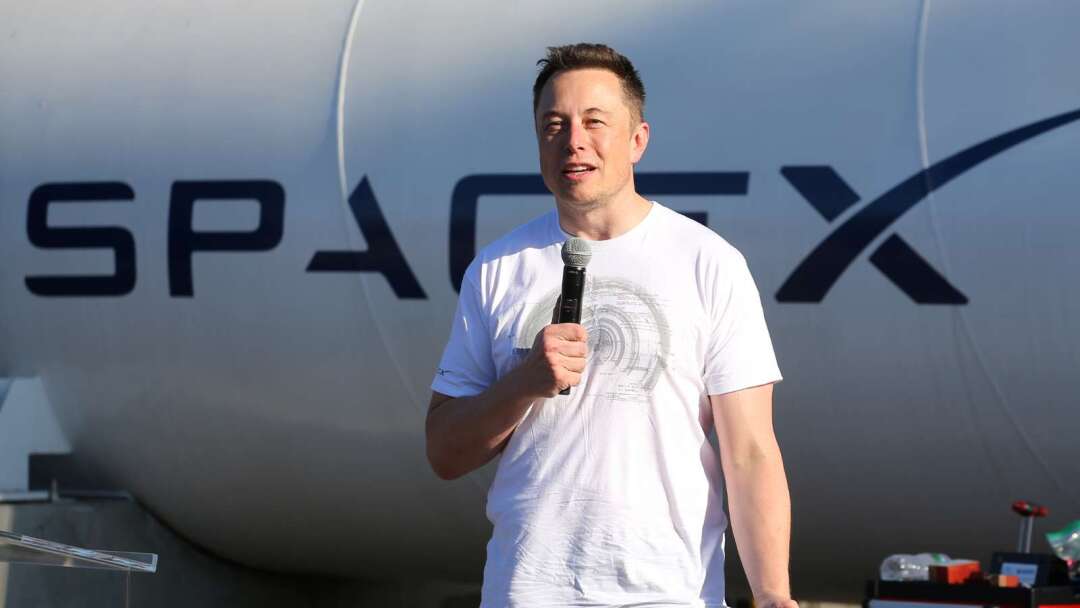
Elon Musk responded on X to posts about heavy shorting of SpaceX, stating he had tried to warn short sellers, but they continued to increase their positions. Subsequently, SpaceX's stock staged a strong rebound, driven by better-than-expected financial results and lower-than-anticipated selling pressure from the unlock, fueling the short squeeze.
(Figure: ZeroHedge)
911.5 Million Shares Unlocked Without Collapse—Earnings as the 'Antidote'
SpaceX adopted a phased unlock schedule across nine dates to minimize market shock from a large volume of shares entering circulation at once. The next unlock, scheduled for August 20, will release up to approximately 319 million shares, with similar volumes expected to become available over the coming months. Meanwhile, Musk's 6.4 billion shares remain restricted and cannot be sold until June 2027.
Peter Singlehurst, head of Baillie Gifford's private company team, noted that the market has never seen such a large-scale, staggered unlock plan, meaning investors are navigating uncharted territory.
However, the first unlock did not trigger a free-fall in share price. Gene Munster, managing partner at Deepwater Asset Management, which holds SpaceX stock, said that once investors realized the stock didn't crash on the first day of unlock, they reevaluated the company's last quarter performance and recognized that SpaceX's business continues to advance.
The stock had dipped slightly before the unlock, but traders attributed this more to higher-than-expected AI spending revealed in SpaceX's first post-IPO earnings report rather than pure unlock-related panic. With revenue exceeding expectations and losses smaller than forecast, investor concerns about insider selling eased, allowing the stock to quickly recover.
Andrew Plum, managing partner at Loxahatchee Capital, described the strong earnings as the 'antidote' to unlock-related selling pressure. If the company can continue to deliver positive financial news, it may attract new buyers, enabling unlocking shareholders to exit at reasonable prices without excessive downward pressure on the stock.
Musk has told investors that the company, spanning AI and rocket operations, is on track to achieve over $100 billion in annualized revenue by year-end, with the potential to reach $1 trillion in revenue by 2030—or even as early as 2029.
Starship Flight 14 Could Launch by End of August
Beyond earnings, the next Starship test flight is emerging as a key catalyst for SpaceX's stock. UBS analyst Gavin Parsons noted that while SpaceX has not officially announced the date for Flight 14, its application to the U.S. Federal Communications Commission (FCC) lists August 28 as the target date, aligning with management's previously stated late-August timeline.
Flight 14 is expected to aim for orbital insertion, deploy operational Starlink V3 satellites, and attempt to catch the upper stage of the Starship spacecraft. UBS anticipates that the mission may not attempt to recover the Super Heavy booster, but Flight 15 could target this milestone. Successfully recovering the booster is critical for achieving full and rapid reusability, which will accelerate growth in SpaceX's satellite communications and AI businesses.
The mission is expected to deploy more than the 20 satellites carried in Flight 13, though still below Starship's estimated maximum capacity of 60. Musk believes SpaceX could deploy 1,000 operational V3 satellites by the first half of 2027—surpassing UBS's estimate of 540.
The test stack is expected to consist of Booster 21 and Ship 41. UBS also noted that Musk claims the heat shield issue, which previously hindered rapid reusability of Starship, has been resolved—though the extent of improvement remains to be verified in upcoming flights. With the second batch of shares即将 unlocked, the success and timing of Starship missions will be a critical test for sustaining SpaceX's valuation and absorbing potential selling pressure.
FACT BOX
- Source: PR Times
- Category: News
- Organizations: Baillie Gifford / Deepwater Asset Management / Loxahatchee Capital
- Products / services: Starship / Starlink V3