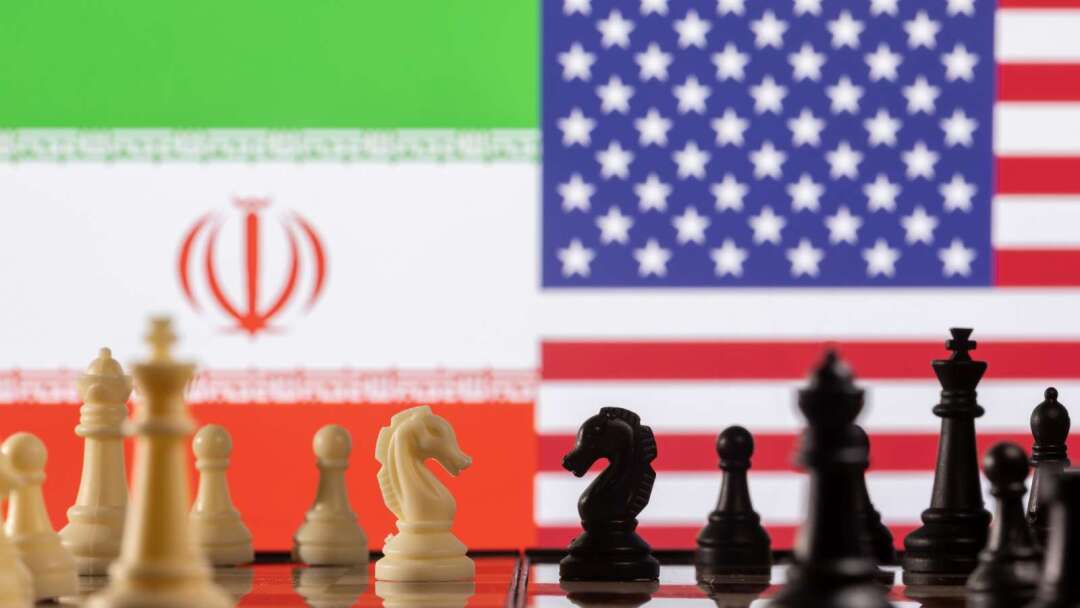
An Iranian senior official told Reuters on Monday (17th) that Tehran has decided to shift its policy from defense to a 'full-scale offensive' after diplomatic efforts to reach a permanent peace agreement with the United States reached a deadlock. Iran is prepared to escalate tensions in the Strait of Hormuz and other regions and launch military attacks to break the US naval blockade if Washington fails to fulfill a temporary peace agreement within a timeframe set by Iran.
The official stated that Iran is losing confidence in resolving the conflict through diplomacy, believing the US does not take ceasefire seriously and will not honor its commitments. Iranian authorities must prepare to escalate tensions, and Tehran will launch 'timely and precise' attacks at an appropriate moment if diplomacy fails.
Iran has given the US a deadline of several weeks to fully implement the agreement, with the specific timeframe to be communicated to Washington and regional countries through mediators. Iran is also negotiating separately with Oman on the management of the Strait of Hormuz, claiming to be close to an agreement, although progress remains slow.
US President Trump, in a Fox News interview on Monday, demanded that Iran surrender unconditionally and threatened to bomb Oman if it obstructs US blockade operations. On the same day, Trump reiterated on Truth Social that the US's primary goal remains preventing Iran from acquiring nuclear weapons in any form.
Since the US and Israel launched attacks against Iran on February 28, the conflict has continued for nearly six months, resulting in thousands of deaths, mostly in Iran and Lebanon. Iran has retaliated by attacking US assets and infrastructure in Oman, Jordan, Kuwait, Israel, the United Arab Emirates, and Saudi Arabia.
Before the war, the Strait of Hormuz carried about one-fifth of global oil and liquefied natural gas shipments. Its ongoing blockade has severely disrupted energy supplies. Brent crude oil surged to $126 per barrel after the war began—about 75% higher than pre-war levels—and rose slightly to around $89 on Monday.
Meanwhile, Yemen's Houthi rebels claimed to have launched missile attacks on a Saudi warship and four escort vessels in the Bab el-Mandeb Strait. Connecting the Red Sea and the Gulf of Aden, this strait is another critical international shipping lane. The latest attacks have further heightened market concerns over the war's expansion and its global economic impact.
FACT BOX
- Source: PR Times
- Category: News