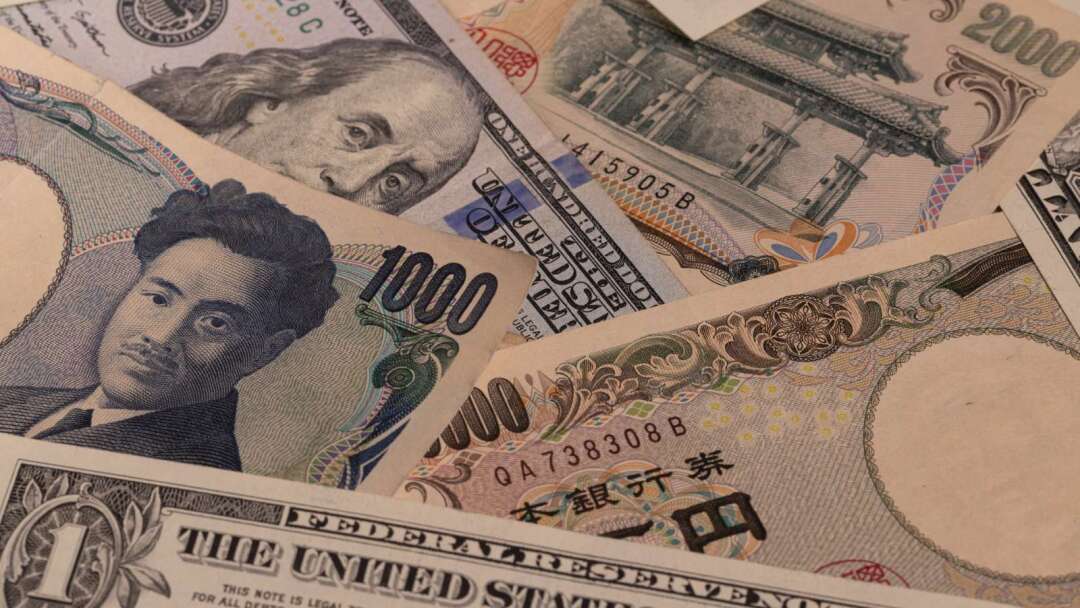
George Saravelos, Head of Global FX Research at Deutsche Bank, stated in a recent report that the joint intervention by the US and Japan last month to support the yen was not only 'ineffective' but 'counterproductive,' and that the yen might have appreciated more had authorities not intervened.
He further pointed out that Washington explicitly encouraged Tokyo to use the Federal Reserve's FIMA (Foreign and International Monetary Authorities) repo facility, signaling that the US did not want Japan to sell US Treasuries directly for dollars. However, borrowing US dollars at punitive interest rates via FIMA for currency intervention is unrealistic and, in fact, raises the threshold for Japan's future interventions.
Saravelos further dismantled the effectiveness of the 'joint intervention.' US Treasury Secretary Bessent described Washington's action as a 'reserve reallocation,' but Deutsche Bank, analyzing weekly valuation changes in the SOMA (System Open Market Account), concluded that the Fed did not share half the funding as it had during past crises, rendering US participation largely nominal.
Regarding the argument that 'Japan's debt pressure forces yen depreciation,' Deutsche Bank also rejected it, stating: 'Japan holds massive net foreign assets, a significant portion of which are government-held; debt is not the core issue. The real key is whether the Bank of Japan (BOJ) dares to raise interest rates rapidly like a 'normal central bank' to free the yen from its low-yield currency status. The yen will eventually appreciate; the question is whether the Japanese government is willing to accept this outcome.'
Market participants interpret these remarks as indicating that short-term FX support cannot mask the structural interest rate differential. If the Bank of Japan (BOJ) continues to remain inactive, Tokyo's reliance on foreign reserves and FIMA maneuvering will only make carry traders more confident in the yen's weakness.
FACT BOX
- Source: PR Times
- Category: Survey