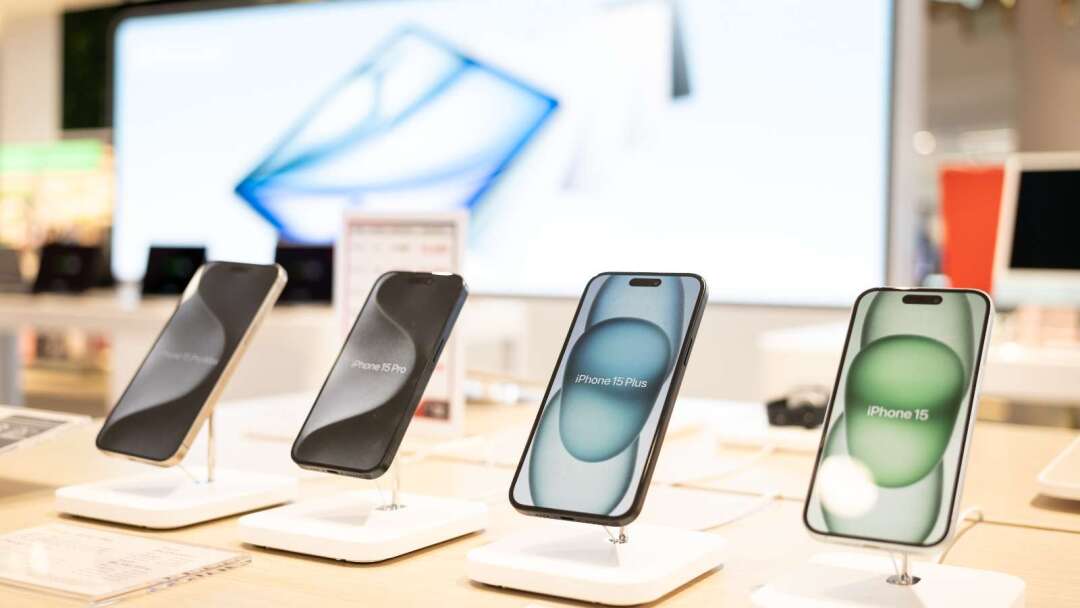
Research firm Counterpoint Research reported that global premium smartphone sales (wholesale average price above $600) increased 5% year-on-year in the first half of 2026, accounting for 29% of total global smartphone sales—setting a new record high, up from 25% in the first half of 2025 and 20% in the first half of 2022.
The rise in premium smartphone sales share in the first half of 2026 was primarily driven by rising memory costs. Mid-to-low-end smartphones were more severely impacted by cost increases compared to the premium segment. Premium smartphone OEMs, benefiting from larger profit margins, absorbed part of the cost increases by reducing promotions, maintaining demand despite challenging market conditions. From 2022 to 2025, the growth in premium market share was mainly due to a long-term consumer trend toward upgrading to higher-end devices.
Harshit Rastogi, Senior Analyst at Counterpoint Research, stated that rising memory and component costs are reshaping smartphone pricing structures, creating opportunities for OEMs to accelerate premiumization. As mid-range Android smartphones increase in price, the gap between them and premium devices—especially previous-generation or discounted flagship models—has narrowed, making flagship phones a more attractive upgrade option for consumers.
Rastogi also noted that OEMs are expanding installment plans, trade-in, and buyback programs to lower the barrier to purchasing premium smartphones. Samsung has extended its Galaxy Forever program to more markets.
In terms of brand performance, Apple (AAPL-US) saw a 9% year-on-year sales increase, driven by the iPhone 17 series, with the standard model performing particularly well. Its premium market sales share declined from 74% in the first half of 2022 to 65%, primarily due to intensified competition in the Chinese market. As Huawei, Xiaomi, OPPO, and vivo expand their flagship product lines, Chinese consumers now have more choices among domestic premium brands.
Samsung (005930-KS) achieved a 3% year-on-year sales increase, capturing a 19% share of the premium market. Despite a later launch, the Galaxy S26 series differentiated itself with Privacy Display, with the Ultra model accounting for over half of the series’ sales. OPPO recorded a 69% year-on-year sales increase—the highest among major brands—driven by the Find X9 series, with a new model launched in April further boosting growth. vivo saw a 20% year-on-year increase, driven by strong performance of the X300 series, which outperformed its predecessor.
Karn Chauhan, Senior Analyst at Counterpoint Research, noted that as the smartphone industry shifts focus from shipment volume to value and profitability, premiumization will become a key strategy. OEMs continue to target higher price segments to maintain margins, while longer replacement cycles encourage consumers to opt for premium smartphones that offer longer usability.
Chauhan added that Apple and Samsung are expected to maintain their leading positions in the premium market, benefiting from strong footholds in mature markets, comprehensive ecosystems, and brand advantages. In China, Huawei and Xiaomi are continuously expanding their premium product portfolios and ecosystems, positioning themselves to further increase their market share in the high-price segment.
FACT BOX
- Source: PR Times
- Category: Survey
- Organizations: Apple / Samsung / Huawei