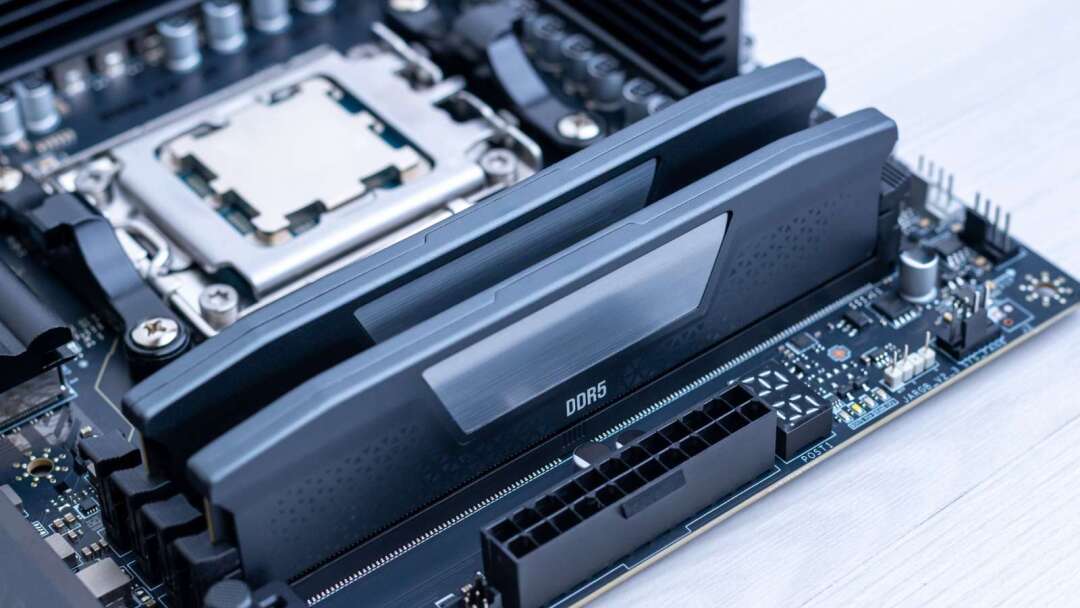
You don't need to watch the market to feel this wave of memory price hikes, as PC, laptop, and SSD prices have collectively jumped, already passing on costs to consumers. The latest data shows that DDR5 average prices have surged 400%-500% compared to a year ago, with larger capacities seeing more aggressive increases. A 128GB DDR5 kit is now priced at ten times the historical low.
U.S. tech media Tom's Hardware reports that to lower build budgets, some users have returned to older platforms like LGA1700 and AM4 that support DDR4, hoping to stabilize DDR4 prices. However, DDR4 is not immune, with average prices up 150%-200% from a year ago. NAND chips have also doubled in price, and SSD prices have similarly surged, making overall system build costs far higher than the same period last year.
The underlying logic of the price hike is that supply is being absorbed by AI. SK Hynix, Samsung, Micron, and ChangXin have seen their revenues double or even triple in the past year, with production capacity prioritized for AI data centers and HBM, compressing consumer-grade DRAM and NAND supply.
SK Hynix CEO Kwon Oh-hyun previously pointed out that this year is not the worst, with 2027 expected to be the worst year, as supply will fall far short of demand, with limited new capacity. This situation may drag on until 2030 or even longer.
This means that high-priced memory for consumers will become a mid-term norm. Unless AI capital expenditure significantly slows or the bubble bursts, memory prices are unlikely to see a significant drop in the short term. PC players, small and medium-sized brands, and white-label assembly factories will have to survive in the gap between 'high-cost inventory' and 'terminal demand that doesn't dare to raise prices too much.'
For manufacturers, this is no longer a cyclical issue but a matter of product line life and death. Those who can secure HBM or enterprise supply will be squeezed out of the consumer market.
FACT BOX
- Source: PR Times
- Category: 市場動向
- Products / services: DDR5 / DDR4