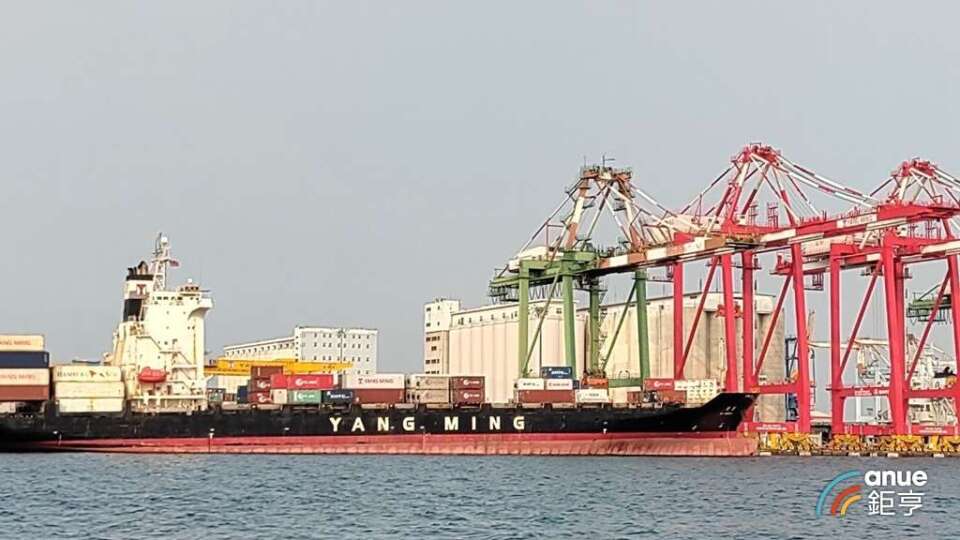
Recently, major ports in China have experienced congestion due to typhoons, compounded by drought conditions in the Panama Canal, leading to a significant rise in freight rates to the United States. However, a domestic financial institution issued a new report today (19th), suggesting that once typhoon-related disruptions ease and the fourth quarter enters the traditional off-season for demand, port congestion across Asian hubs may gradually improve, possibly diminishing the supportive factors for freight rates.
The report notes that the Panama Canal Authority announced water resource management measures in early August, reducing the maximum draft depth to 48 feet starting August 26, and further lowering it to 47.5 feet on September 3. However, no formal vessel transit restrictions have been implemented yet, with current policies remaining primarily preventive.
Meanwhile, port congestion at key Asian hubs such as Shanghai and Ningbo has triggered schedule disruptions, with the ripple effects spreading further. Lengthening vessel waiting times have tightened supply-demand conditions.
The institution believes that sustained high freight rate levels in recent weeks will help shipping companies achieve higher profits in Q3 compared to Q2. However, as the industry approaches the traditional off-season for container shipping, whether both rates and volumes can maintain relatively high levels remains uncertain and requires close observation.
FACT BOX
- Source: PR Times
- Category: Survey