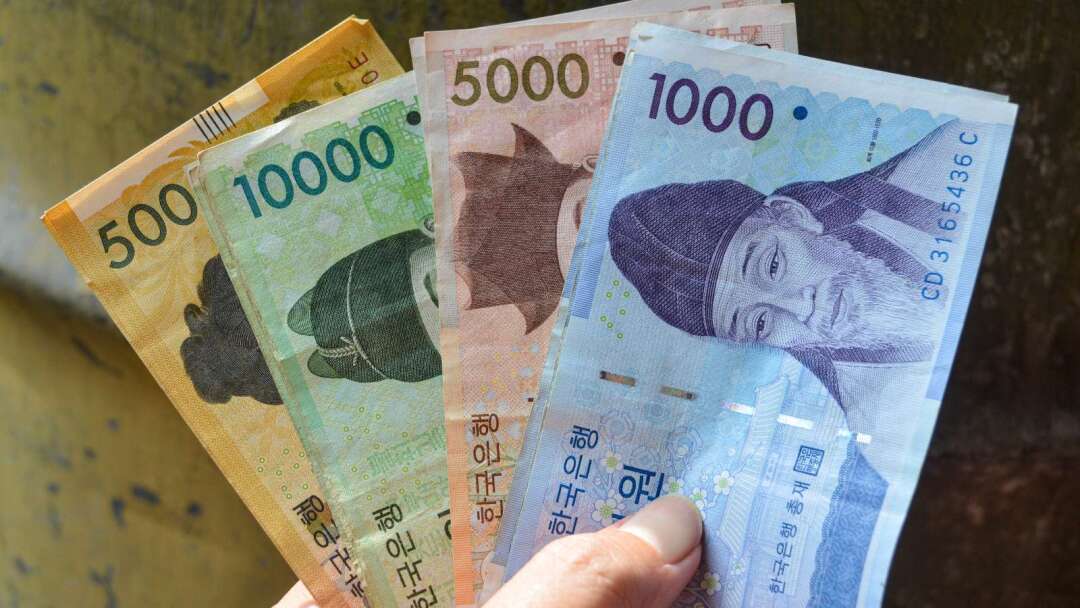
The Korean won exchange rate against the U.S. dollar broke through the crucial psychological threshold of 1,400 on Wednesday (19th) in the Seoul foreign exchange market, briefly touching 1,398.80 to 1,399.0 won per dollar. This marks the first time since early October 2025 that the won has returned to the 1,300-won range.
According to the Seoul Economic Daily, the recent strengthening of the won has been primarily driven by two factors: weakening expectations of a rate hike by the U.S. Federal Reserve (Fed), and dollar selling by Korean exporters. Recent U.S. economic data—including retail sales, Consumer Price Index (CPI), and Producer Price Index (PPI)—came in below market expectations, easing inflation concerns. As a result, markets widely anticipate that the Fed will hold interest rates steady next month, putting downward pressure on the U.S. dollar.
On the domestic front, the booming semiconductor industry has provided strong support for the won. Foreign exchange traders in Seoul noted that custodian banks sold large amounts of dollars to settle foreign investments in Korean stocks, helping the won rebound. In particular, semiconductor giant SK Hynix transferred approximately $26.5 billion raised from its U.S. listing back to South Korea for investment projects, becoming a major source of dollar supply in the market.
However, the rapid appreciation of the won presents a policy dilemma for the Bank of Korea (BOK). A Barclays Bank report指出 that while a stronger won helps lower import prices and ease inflationary pressures, it could also undermine the rationale for the government’s 'income-led growth' policy.
Barclays estimates that the impact of a stronger won on Gross Domestic Income (GDI) is significantly greater than on GDP, potentially reducing second-quarter GDI growth by as much as 0.50 to 2.00 percentage points. Additionally, non-IT companies, which are experiencing slower profit recovery, may face more severe foreign exchange losses due to the won’s appreciation.
Traders note that despite the won’s strength, external factors such as Middle Eastern geopolitical risks and U.S. long-term bond yields climbing to a 19-year high could limit further upside potential for the currency.
FACT BOX
- Source: PR Times
- Category: News