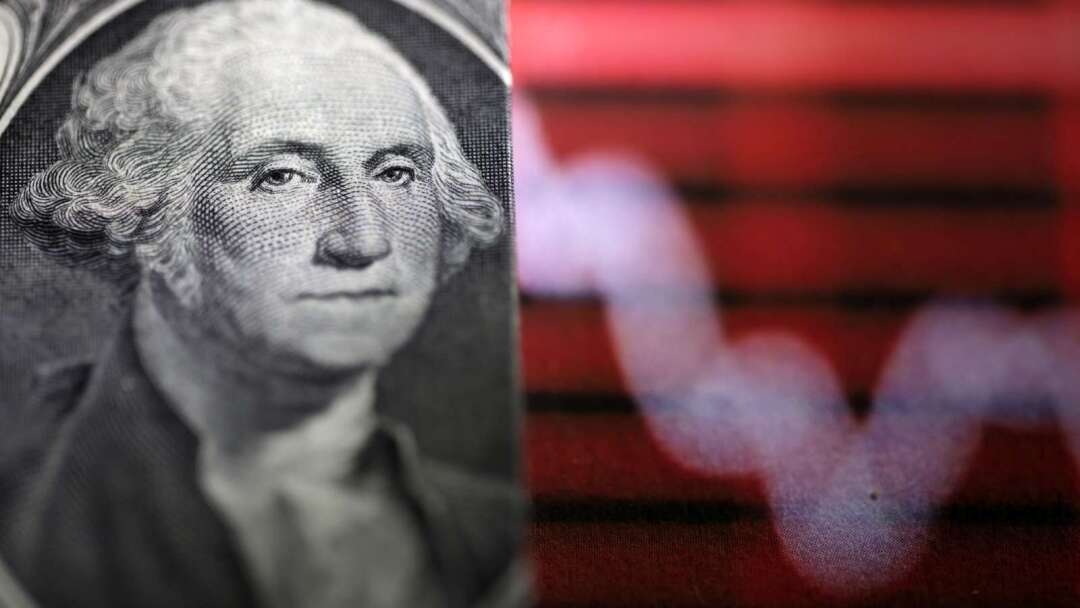
Citigroup (Citi-US) foreign exchange strategists have turned bearish on the short-term trajectory of the US dollar, citing reasons including the Federal Reserve's (Fed) potentially less hawkish policy stance, political uncertainty from the US midterm elections, and the Treasury Department's expanded long-term bond buybacks that could suppress yields.
Led by Daniel Tobon, Citi's strategy team on Thursday (the 20th) significantly lowered its 3-month USD Index forecast from 102.12 to 98.34. The USD Index was trading around 98.9 on the day, relatively unchanged, after falling to its lowest level since May in the previous session.
Citi had maintained a relatively neutral stance on the dollar over recent months but has now shifted to a bearish short-term view as risks mount. The team pointed to the latest development—the Treasury Department’s announcement to double its bond buyback program through November, covering 10- to 30-year US Treasuries.
Strategists believe the expanded buybacks will pressure the dollar through two channels: first, by potentially lowering Treasury yields and weakening the income appeal of dollar-denominated assets; second, by raising market concerns about 'financial repression'—where governments use policy tools to suppress their own borrowing costs.
Even before the Treasury announced the expanded buybacks, US government funding costs had already risen noticeably. August auctions of 10-year and 30-year US Treasuries both reached their highest yield levels since the 2000s.
Meanwhile, traders have reduced their bets on further Fed rate hikes—a key driver behind the dollar's earlier strength. Citi also believes that ahead of the November midterms, political uncertainty and tail risks around contested election results may deter investors from building long-dollar positions.
However, Citi has not changed its long-term dollar outlook, citing stronger US economic growth prospects compared to other G10 economies. Geopolitical tensions such as the Iran-Israel conflict and the AI investment boom could pose risks to this bearish forecast: reduced oil shipments through the Strait of Hormuz and massive AI-related capital expenditures could push up inflation, forcing the Fed to hike rates again and re-support the dollar.
Citi simultaneously raised its 3-month EUR/USD forecast to 1.1750, primarily expecting the European Central Bank (ECB) to raise rates by 25 basis points in September, coupled with reduced market expectations for Fed hikes. EUR/USD traded around 1.17 on Thursday.
FACT BOX
- Source: PR Times
- Category: News