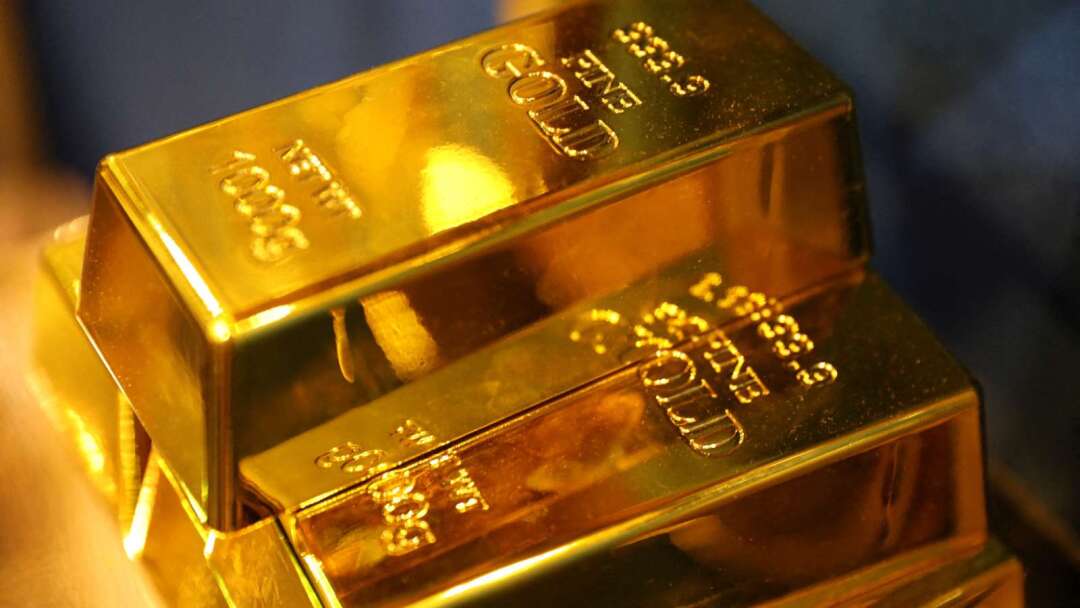
International gold prices fluctuated at elevated levels on Thursday, as markets digested profit-taking selling pressure following the previous day's surge of over 4%, while being supported by expectations that the U.S. government may further expand its long-term Treasury buyback program. This helped offset inflationary and interest rate pressures stemming from rising oil prices and the Federal Reserve's (Fed) slightly hawkish meeting minutes.
At 1:32 p.m. New York time, spot gold declined 0.1% to $4,516.19 per ounce. Prices had briefly dipped to $4,450.08 but later recovered most losses. Earlier in the session, gold reached its highest level since June 2, after surging more than 4% on Wednesday.
U.S. gold futures rose 0.6% instead, closing at $4,571.40 per ounce.
Jim Wyckoff, market analyst at American Gold Exchange, said gold faced routine profit-taking pressure after strong gains in the prior session. Some investors chose to lock in profits after the sharp short-term rally, causing spot gold prices to retreat significantly at one point.
He noted that the Fed's latest released meeting minutes showed a slightly hawkish stance, and with oil prices continuing to rise, market concerns about rising inflation were reignited, putting downward pressure on gold. Rising energy costs could increase inflation stickiness, raising market doubts about interest rates remaining higher for longer, which weakens some of the appeal of non-yielding assets like gold.
However, gold's decline was contained during the session. U.S. Treasury Secretary Scott Bessent, in a CNBC interview on Thursday, indicated that the U.S. government might further increase the scale of Treasury buybacks, with individual bond repurchase amounts possibly exceeding $4 billion.
Bessent's comments reignited market expectations of enhanced liquidity support for long-term U.S. bonds. The day before, the U.S. Treasury announced an expansion in the size of its liquidity-supporting buybacks for long-term Treasuries, leading to sharp declines in both the U.S. dollar and Treasury yields, which became a major catalyst for Wednesday's more than 4% spike in gold prices.
Independent analyst Tai Wong stated that gold is supported by the prospect of further declines in long-term real interest rates. Since gold itself generates no interest income, falling real rates typically reduce the opportunity cost of holding gold, thereby boosting demand from safe-haven and investment capital for precious metals.
Markets are currently caught in a tug-of-war between two opposing forces. On one hand, rising oil prices could push up inflation expectations, and the Fed's meeting minutes revealed that some officials remain vigilant about inflation risks, creating upward pressure on interest rate outlooks. On the other hand, the possibility of the U.S. Treasury continuously expanding Treasury buybacks could help suppress long-term bond yields and long-term real interest rates, providing new support for gold prices.
After the strong breakout the previous day, gold has entered a phase of consolidation at elevated levels in the short term, but market focus has gradually shifted toward the U.S. Treasury's future buyback scale and whether energy price shocks will further fuel inflation. If long-term yields continue to fall, a low real interest rate environment could remain a significant bullish factor for gold. However, if oil prices continue to drive inflation pressures higher and prompt markets to reprice for higher interest rates, gold's volatility at these elevated levels could intensify further.
FACT BOX
- Source: PR Times
- Category: News
- Organizations: American Gold Exchange