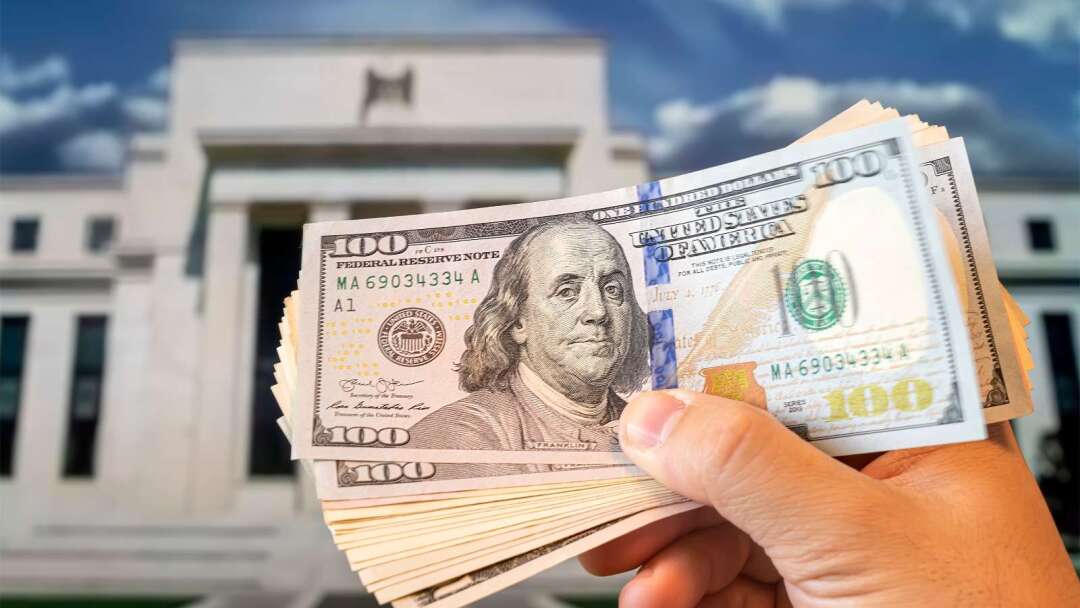
The U.S. Federal Reserve has implemented its first interest rate hike since 2023, raising the benchmark rate by 25 basis points (0.25 percentage points), and signaling potential further hikes before year-end. Historical data indicates that the start of a rate hike cycle often coincides with short-term weakness in U.S. equities, though investor focus has shifted toward the magnitude of central bank tightening and economic response.
According to LPL Financial’s analysis of six rate hike cycles since 1994, the S&P 500 index has seen a median decline of 2.6% within three months following the first rate increase. Lori Calvasina, Head of U.S. Equity Strategy at RBC Capital Markets, noted that in the past five cycles, the index pulled back between 8% and 14% from its peak.
Calvasina warned in her report: "The start of a new phase keeps us cautious, and we should be alert to the typical 5% to 10% pullback in the S&P 500 over the near term."
However, historical patterns also show that markets typically recover relatively quickly. LPL data reveals that one year after a rate hike begins, the S&P 500 posts a median gain of 6.8%. Jeffrey Buchbinder, Chief Equity Strategist at LPL Financial, stated: "Historically, markets do get nervous at the start of a hiking cycle, but they tend to stabilize and revert to fundamentals driven by economic and earnings growth."
Market analysts suggest this rate hike cycle is expected to be shorter and more moderate compared to the aggressive 525 basis point increase in 2022 that sent the S&P 500 plunging 25% during a bear market. Sam Stovall, Chief Investment Strategist at CFRA, commented: "In 2022, it was the sheer magnitude of rate hikes that frightened the market."
In contrast, futures markets anticipate a peak rate of around 4.8% this cycle, with total hikes amounting to roughly 100 basis points. Mona Mahajan, Investment Strategist at Edward Jones, believes the current hiking path "feels like a mid-cycle adjustment that is manageable from both an economic and labor market perspective."
David Lefkowitz, Head of U.S. Equities at UBS Global Wealth Management, emphasized: "Our core question is whether the Fed’s actions will alter market expectations for economic or earnings growth." He added that markets will become more sensitive to growth and inflation data and will closely monitor the new orders component of the ISM Manufacturing Index to assess the ongoing impact on equities.
FACT BOX
- Source: PR Times
- Category: News
- Organizations: LPL Financial / RBC Capital Markets / CFRA