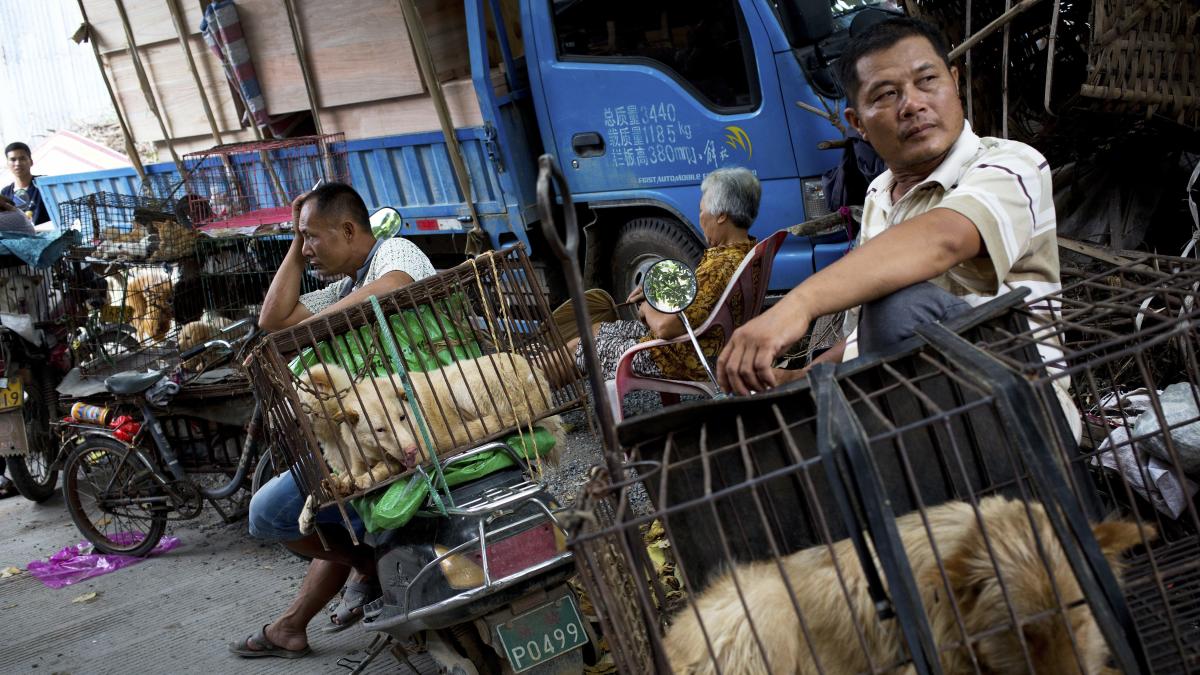
Many Taiwanese tourists who love visiting Japan may find it hard to imagine that, even today, it is still legally possible to eat dog meat in Japan. To prevent damage to its international image, the Japan Innovation Party has recently launched a strong legislative proposal in the Diet, calling for the creation of a new 'Act Prohibiting Consumption of Dogs and Cats.' As the name suggests, this specialized law would legally ban the consumption of dog and cat meat, while also strictly prohibiting cross-border imports and domestic breeding for the purpose of consumption.
According to a report by the Sankei Shimbun, Ishin Party lawmakers have stated that as many countries around the world have established animal protection regulations, if Japan does not quickly close this legal loophole, there is a risk that malicious actors could spread alarming rumors such as 'you can legally eat cats and dogs in Japan.' Furthermore, this proposed law would effectively address the gray area in the current 'Animal Welfare and Management Act,' which cannot regulate the 'post-mortem consumption' of animals, and has already gained understanding and support from multiple political parties.
Does the reality of dog meat consumption still exist in Japan? A historical review through Diet questioning reveals a gap between government statements and actual conditions.
The report cites a session of the House of Representatives Special Committee on Consumer Affairs on November 26, 2019, during which Seiichi Kushida, then a member of the House and now a member of the House of Councillors from the Ishin Party, questioned central government officials about dog meat imports. In response, a senior official from the Ministry of Health, Labour and Welfare revealed shocking data during the Diet session.
'Regarding dog meat officially declared and approved for import into Japan for 'food use,' approximately 15 tons were imported from China in 2014, 18 tons from Vietnam in 2015, and 2017 was the peak year, with as much as 20 metric tons of dog meat officially declared and imported from Vietnam alone.'
However, the Ministry of Health, Labour and Welfare later emphasized that since 2018, no legal dog meat imports have appeared in Japan's official customs records. Yet the Japan Innovation Party, which is proposing the new law, disagrees. Their investigation team possesses big data that shows a significant gap between the government's optimistic claim of 'zero imports' and the actual situation.
Are There Over 50 Dog Meat Restaurants in Tokyo and Osaka?
Based on field surveys and undercover reports, the Ishin Party has found that in specific districts of Tokyo and Osaka, at least 'over 50' Chinese and Southeast Asian eateries continue to offer various dog meat dishes through menu listings or word-of-mouth codes among regular customers.
How is it possible that, seven years after the government declared 'zero imports,' an illegal black market continues to source ingredients? The Ishin Party points to Japan's recent large-scale acceptance of millions of 'foreign workers' to address labor shortages, as well as the post-pandemic surge in international tourists. In certain countries and ethnic communities, the tradition of eating dog meat for winter nourishment remains deeply rooted.
In legal comparison, Taiwan amended its laws years ago to criminalize the consumption of dog and cat meat and mandates public disclosure of offenders' names. South Korea has also formally passed a new law to completely ban the dog meat market starting in 2027.
Japan's current 'Animal Welfare and Management Act,' however, contains a fatal legal loophole: while it imposes strict penalties for 'killing or abusing animals without cause,' it contains no legal provisions to sanction or penalize the acts of killing, cooking, and consuming animals through unofficial channels. Experts have criticized this as effectively allowing such practices to continue unchecked.
FACT BOX
- Source: PR Times
- Category: News