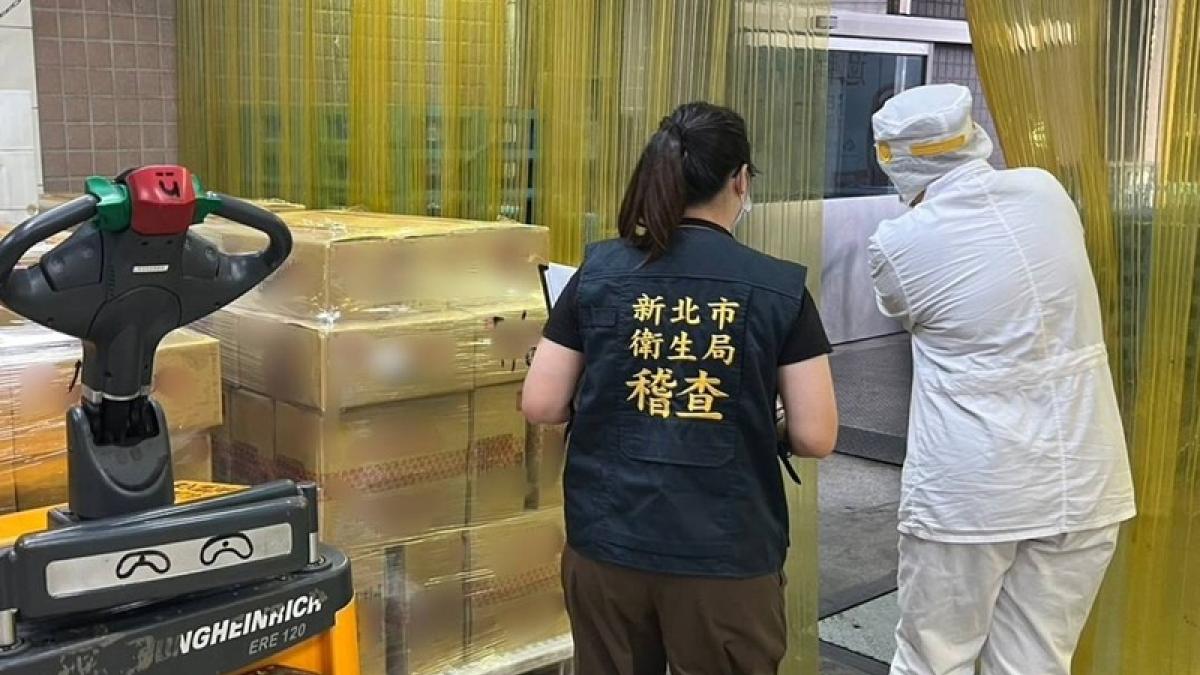
Soybean salad oil produced by Chung Lien Oils, Taiwan's second-largest oil manufacturer, was found to contain benzopyrene (BaP), a Class 1 carcinogen, at four times the legal limit. The contamination affected 360 downstream businesses across Taiwan, forcing the preventive recall of 440 processed food items. Professor Niu Ze-Xun from the Department of Advertising at Chinese Culture University analyzed the incident on the program 'POP Republic,' stating that the central government's response was too slow and violated the principle of timely crisis management. He urged the ruling party to put politics aside, prioritize public welfare, and refrain from creating further political distractions.
What Are the Principles of Crisis Management?
Niu Ze-Xun pointed out that crisis management by the central government follows certain principles: 'apology, punishment, and development of preventive measures.' An apology demonstrates a willingness to take responsibility and is therefore crucial. When a government agency apologizes, it must do so comprehensively—by punishing officials and accepting political responsibility. Timely action is extremely important; authorities must honestly explain the situation and propose solutions. If the central government attempts to shift focus, it risks escalating the crisis. 'Suddenly, you'll see the 'anti-China' card being played again,' Niu remarked. The 'anti-China' narrative not only diverts attention but also consolidates the ruling party's core support base.
Niu emphasized that politics is an interactive concept. When the ruling party attempts to shift focus and refuses to follow crisis management principles, the opposition Kuomintang will gather materials for political messaging and seek accountability during the upcoming local elections. He warned that no political party should assume its voters are unquestioningly loyal, as voters are becoming increasingly discerning and independent.
In this Chung Lien Oils soybean salad oil incident, the central government's response was too slow, violating the principle of timely action. Health and Welfare Minister Shih Chong-liang only apologized on the 8th, after being pressed by Kuomintang legislator Wang Hung-wei, failing to demonstrate a responsible attitude to the public.
Niu Ze-Xun: Lu Hsiu-Yen Showed Empathy
Niu noted that Taichung Mayor Lu Hsiu-Yen criticized the central government's inconsistent decision-making on the 8th. Initially, products containing less than 20% contaminated oil were exempt from recall, sparking strong public backlash. Later, the policy was reversed, requiring even those products to be recalled—forcing businesses to conduct recalls twice. In response, the Taichung City Government announced it would conduct government-led testing of Chung Lien's May-produced soybean salad oil and implement preventive recalls. Mayor Lu's move demonstrated empathy and the 'mother mayor' image, earning public approval. The central government eventually followed Taichung's lead.
Niu concluded that the central government's crisis response was inadequate and urged the ruling party to prioritize民生 over politics and avoid further complications. If the ruling party continues to make political calculations, the public will perceive it as attempting to regain political advantage through manipulation. The central government should simply follow crisis management principles and act swiftly to fix the situation.
FACT BOX
- Source: PR Times
- Category: News