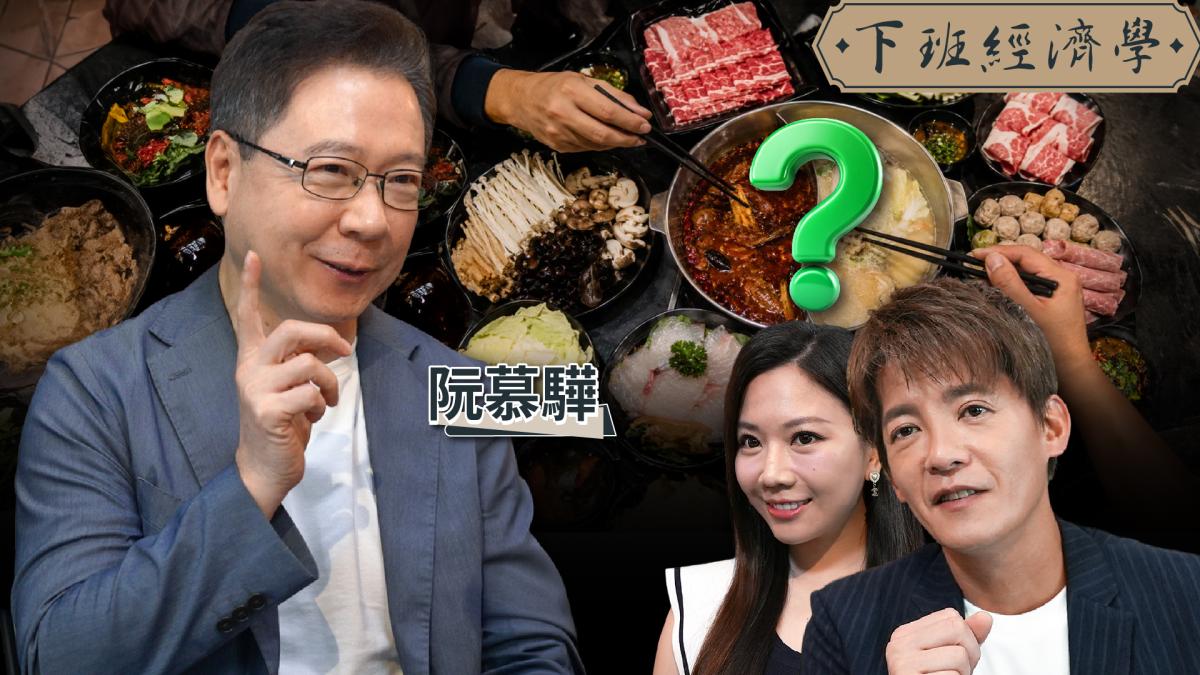
Taiwan is famous for its love of hotpot, and Zhuspace Happiness Hotpot was undoubtedly one of the most talked-about brands in recent years, creating a legendary 'hard-to-get-a-seat' phenomenon. In 2010, Zhuspace began as a miracle story from a small stone hotpot shop up for transfer next to a cemetery in Keelung. By precisely targeting the individual hotpot market and leveraging perfect timing, location, and favorable conditions, it rapidly grew from just three employees into a dining empire with nearly 3,000 staff and close to 200 stores. Financial expert Ruey Mu-Hua analyzed that the core of its success lay in the founder's bold investment of NT$60 million to build a standardized system, coupled with an ultra-low 3% franchise fee. This allowed full turnkey solutions—store design, equipment, and staff training—enabling franchisees to replicate success and generate cash flow from the first month, creating an unprecedented chain expansion myth.
However, after aggressive expansion and going public, this dining giant faced a harsh backlash. Its stock price crashed from a peak of NT$172 on the Emerging Stock Market to merely NT$22, even facing an annual loss as high as NT$300 million. Behind this downfall, blind spots in headquarters'商圈 management led to franchisees cannibalizing each other within the same商圈. More critically, under rising raw material costs, the company drastically shortened its popular point redemption period to just 63 days, sparking strong backlash from loyal customers. Additional criticisms include replacing premium ingredients with cheaper alternatives, eliminating takeout policies, and stubbornly maintaining a short 90-minute dining limit, completely eroding its once-strong value-for-money advantage in the mid-price segment.
Facing this crisis, financial expert Ruey Mu-Hua argues that the only path to recovery is to emulate the fine-grained cost control of the Wensley Group and implement a 'cutting losses to survive' financial restructuring. Zhuspace must scrutinize the gross margin and table turnover rate of all stores, decisively eliminating marginal brands like Lindian Hall and Xichen—names unknown to consumers and consistently losing money. Core resources should be refocused on the flagship 'Zhuspace Happiness Hotpot.' Amid sluggish domestic demand and surging labor and ingredient costs, blindly introducing foreign brands or continuing unchecked expansion will only deepen financial burdens. Only by lowering its stance, returning to fundamentals, and rebuilding from consumer experience and core offerings can it stop the bleeding and achieve a comeback. More insights are available on 'After Work Economics,' hosted by Hsieh Che-ching, Tsai Shang-hua, and financial expert Ruey Mu-Hua.
FACT BOX
- Source: PR Times
- Category: News