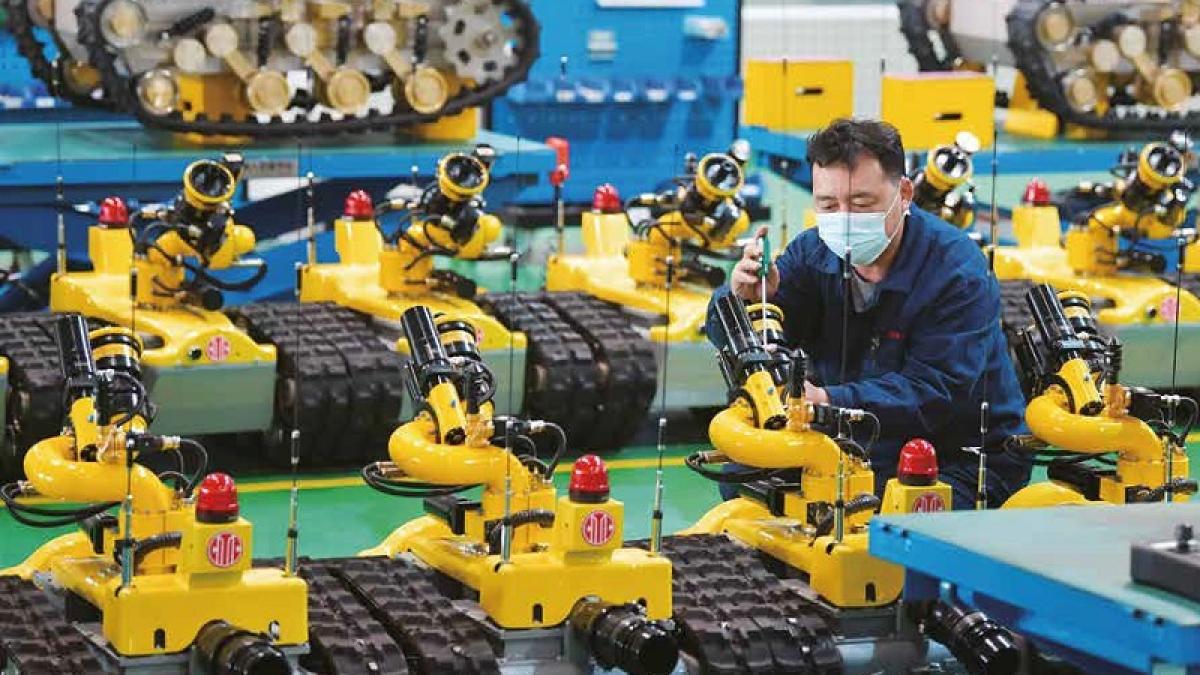
In recent years, the U.S. and Europe have been advocating for 'decoupling' from China's manufacturing system and industrial chains, aiming to reduce dependence and even 'decouple' in certain areas. However, supply chains are not as simple as a factory or a production line; they are complex networks formed through decades of market competition. From raw materials and components to logistics, industrial support, technology R&D, talent cultivation, and financial services, each link requires long-term accumulation. True competitiveness is not just about capital investment but also about time, efficiency, and the long-term synergy of the industrial ecosystem. China's industrial system, developed over several decades, is the most complete in the United Nations Industrial Classification, encompassing all 41 major industrial categories, 207 medium categories, and 666 minor categories. China has over 20 million engineers, more than the combined total of the U.S. and Japan, and has consistently ranked first in the world in full-time equivalent R&D personnel. Each year, China produces over 5 million STEM graduates. China has 165 million technical workers, including over 47 million with high skills.
FACT BOX
- Source: PR Times
- Category: Survey