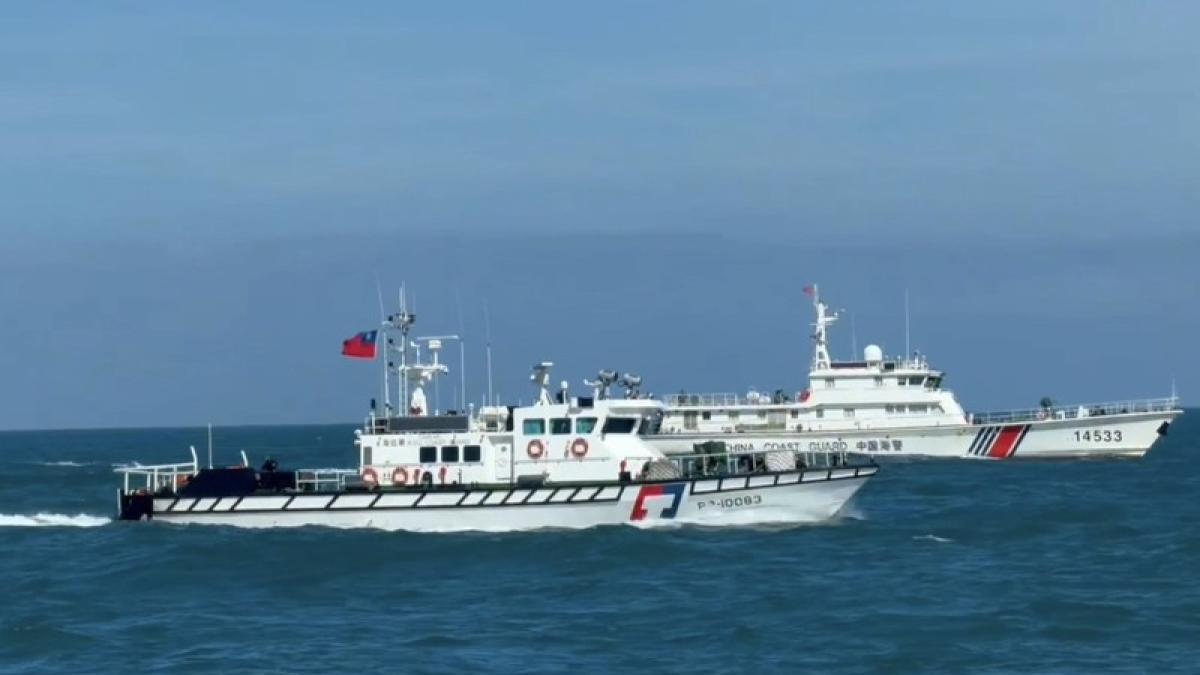
The first phase of the Xiamen-Kinmen Bridge is nearing completion, but the second phase connecting to Kinmen remains stalled due to ongoing political disputes. The naming of the bridge has itself become a political flashpoint. When Taiwan refers to the under-construction project as the 'Xiamen-Kinmen' bridge, it often triggers ideological backlash. Conversely, demanding that the already underway project be renamed 'Kinmen-Xiamen' lacks practicality without mutual participation—yet Taiwan remains gridlocked in debate, making even discussion difficult.
The author calls for adopting the name 'Twin-Gate Bridge' to enable rational and constructive dialogue. This is not merely a geographical sequence but reflects a deeper struggle over identity and narrative authority. When naming devolves into a zero-sum game of 'who comes first,' the bridge becomes mired in symbolic conflict before any substantive evaluation can occur.
The term 'Twin-Gate' is not an artificial compromise, but a reflection of the shared historical context between Kinmen and Xiamen. Since the Ming Dynasty, especially during the Age of Exploration, the two have functioned as inner and outer gates of the same coastal gateway system. Kinmen was established in 1387 as a defensive outpost, its name symbolizing 'a fortress as solid as gold, guarding the sea gate,' emphasizing its military and defensive role. Xiamen, derived from the ancient term 'Lower Gate,' historically served as an estuarine portal for trade and transportation.
Thus, Kinmen's 'gate' represents defense, while Xiamen's 'gate' signifies commerce. Naming the bridge 'Twin-Gate' is not about concession, but about restoring both regions to their historically symbiotic roles and transforming shared historical semantics into a new public meaning.
This name also offers a political breakthrough, transcending the 'center versus periphery' dichotomy. The current naming dispute reflects a struggle over representation. Calling it 'Kinmen-Xiamen' faces resistance in Taiwan, where even the idea of building the bridge is contentious, while the mainland has already begun construction under the name 'Xiamen-Kinmen Bridge,' gaining a first-mover advantage. Moreover, 'Kinmen-Xiamen' sounds like 'jing-xia' (meaning 'shock' or 'fright'), which could be exploited for negative rhetoric. Conversely, 'Xiamen-Kinmen' risks being perceived in Taiwan as a sign of subordination, shifting the debate from民生 (people's livelihood) to hierarchical status.
'Twin-Gate' draws on the shared toponymic imagery of both places. It places neither before the other, creating a neutral public narrative space that minimizes symbolic conflict. It sends a powerful message: this is not a one-way annexation, but a mutual opening of two gates; a structure that bridges differences in pursuit of shared prosperity, not an extension of political rivalry.
The core value of the cross-sea bridge lies in meeting the practical needs of residents—transportation, healthcare, and economic development. 'Twin-Gate Bridge' offers a pragmatic solution. By depoliticizing the naming, it allows the discussion to refocus on improving people's lives. Only when both gates open together can a shared future be co-created.
*The author is a cultural and historical researcher.
FACT BOX
- Source: PR Times
- Category: News