The 'South China Sea Arbitration' initiated by the Philippines reached its 10th anniversary on July 12 this year. This year, 14 countries including the United States, the Philippines, and Japan issued a joint statement reaffirming the legal bindingness of the ruling. However, China's Ministry of Foreign Affairs harshly criticized it as 'an illegal, invalid, and non-binding piece of paper,' urging relevant countries to cease stirring up trouble and undermining peace and stability in the South China Sea.
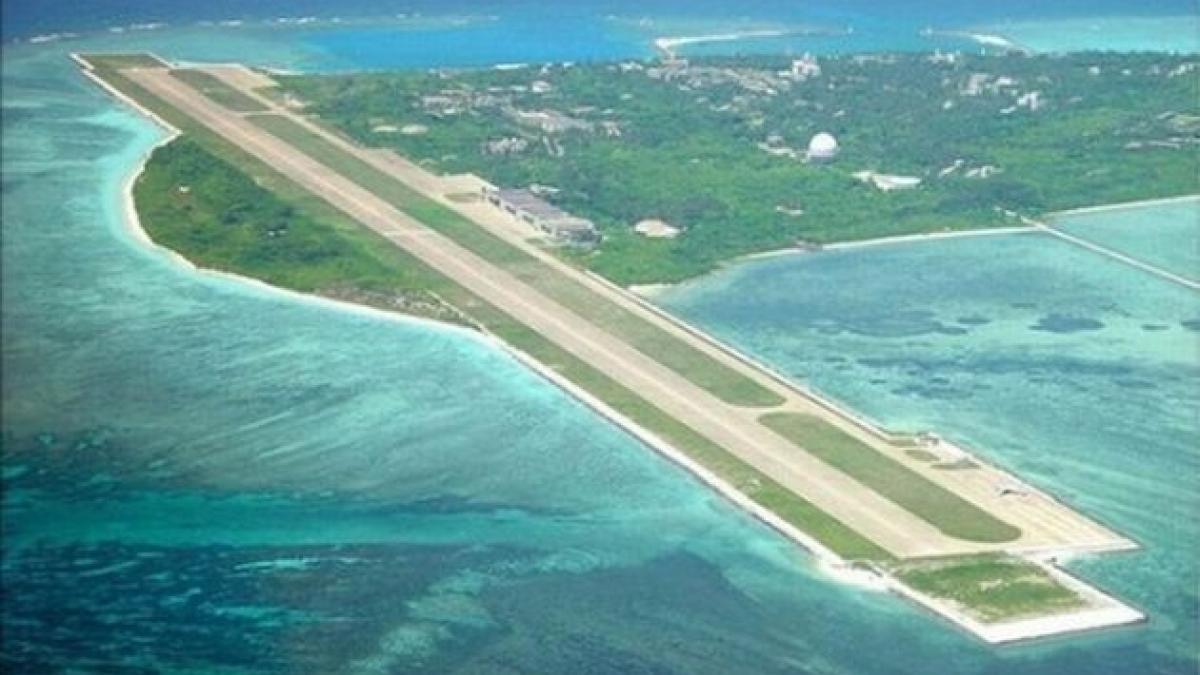
The 'South China Sea Arbitration' ruled that all South China Sea features, including Taiping Island, are 'rocks' and therefore do not qualify for an Exclusive Economic Zone (EEZ). This has placed Taiwan's official position in a particularly awkward position. At the time, the Presidential Office issued a statement asserting that the Republic of China enjoys rights over the South China Sea islands and their adjacent waters under international and maritime law. It emphasized that the arbitral tribunal never formally invited Taiwan to participate in the proceedings nor consulted its views. Furthermore, the ruling on Taiping Island severely undermines Taiwan's rights, leading the government to declare it 'absolutely unacceptable' and asserting that the arbitration has no legal binding force on the Republic of China.
However, a senior maritime law expert argues that Taiwan has not done enough and must further strengthen and refine its legal claims.
FACT BOX
- Source: PR Times
- Category: News