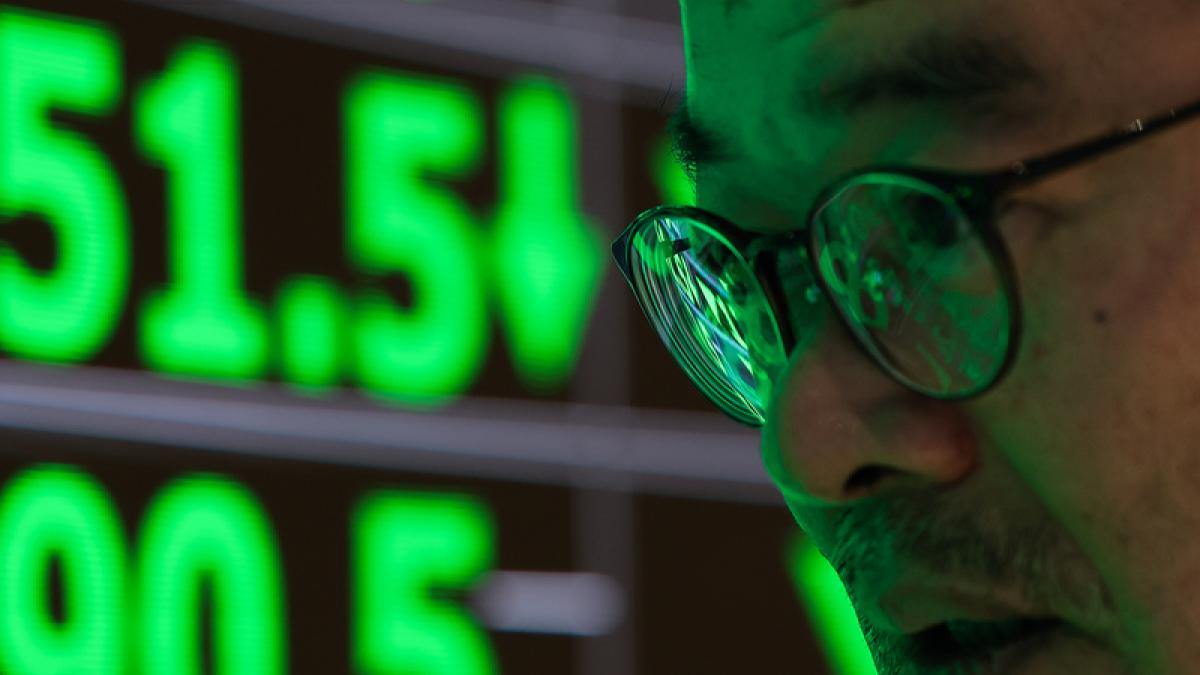
As many as 69% of the components in the S&P 500 Information Technology Index have fallen more than 20% from their 52-week highs, entering a bear market. This tech stock correction is primarily driven by large-scale profit-taking in previously overvalued artificial intelligence (AI)概念股 and semiconductor hardware supply chain stocks, pushing the market into a "valuation correction phase."
Financial expert You Tinghao analyzed the situation on his personal YouTube channel, stating that the real downside risk lies in "when capital expenditure will significantly slow down."
You Tinghao noted that the current divergence within the tech sector is very evident. Many tech and memory stocks have already begun their first rebound after correcting from their highs. Meanwhile, selling pressure on the U.S. Magnificent Seven (Apple, Nvidia, Microsoft, Amazon, Tesla, Alphabet, and Meta) remains heavy, with their prices still far below their peaks.
You explained that the current price correction originated from memory stocks, which have collectively declined by about 20–30%. "In terms of overall pullback magnitude, this is significant. But from a volatility perspective, such swings are typical for memory stocks this year." He added that the S&P 500's gains in the first half of the year were almost entirely driven by memory stocks, and the increasing use of leveraged ETFs in the market further amplified momentum in DRAM-related stocks, rapidly increasing market volatility.
You pointed out that global leveraged ETF fund flows are heavily concentrated in memory stocks, with various 2x leveraged ETFs listing on U.S. exchanges and attracting substantial capital inflows, creating the current bullish environment. This correction, he said, is a cyclical pullback. When declines reach 15–20%, markets begin searching for reasons to justify selling. Currently, three main factors are cited for the selling pressure on memory stocks.
First, Meta's decision to lease out computing power has raised concerns about weakening AI demand. Second, South Korea's continued investment expansion—especially Samsung's accelerated factory plans—could rapidly increase supply and suppress memory prices. Third, natural price deviation correction, though this does not signal the start of a bubble.
Meta leasing computing power does not mean all seven tech giants will follow suit. This move is Meta's strategy to monetize excess computing capacity and improve revenue performance. Moreover, Samsung's expansion plans are not expected to come online until around 2027, meaning supply constraints will likely persist for at least two to three years.
You emphasized that the real risk lies in when capital expenditure will significantly slow. Once CapEx declines, demand for memory stocks will naturally weaken. Currently, memory stocks are attempting to break free from the "consumer electronics inventory cycle" (strong demand → over-ordering → inventory surplus → inventory digestion → recovery → restocking). Ongoing AI data infrastructure construction is driving capital expenditure growth. However, if high interest rates pressure AI investments and CapEx declines, the memory market rally cannot be sustained.
More exclusive Wind Media insights: - Will Taiwan's stock market drop another 1,000 points on Monday? Expert gives a 'make-or-break' number: These stocks are dangerous - How bad is Taiwan's stock market 'only left with losers'? Two high-priced stocks plunged over 30%—Ruan Muhua sighs: Gravity is always there - Taiwan's stock market crash hits value ETFs like 0050 and 006208—Ruan Muhua highlights one ETF as 'highly resilient': maximum drawdown in single digits
FACT BOX
- Source: PR Times
- Category: News
- Organizations: Apple / Nvidia / Microsoft
- Products / services: DRAM