According to Bloomberg, Apple has initiated preliminary discussions with the U.S. Department of Justice (DOJ) to explore a potential settlement in the antitrust lawsuit filed in 2024. The case accuses Apple of leveraging its dominant position in the smartphone market through the iPhone to unfairly restrict competition, exclude rivals, and harm consumers and software developers.
The report indicates that both parties are still in the early stages of negotiation, and it remains highly uncertain whether a formal settlement will be reached. Apple has reportedly submitted multiple settlement proposals to the DOJ this year, aiming to resolve the matter before the case proceeds to trial. As of now, no trial date has been set by the court.
The lawsuit was originally filed during the Biden administration, as part of broader efforts to rein in the market power of major tech companies. The DOJ alleges that Apple’s closed iPhone ecosystem restricts competitors’ access to the market, undermining both rival tech firms and consumer and developer choice. In 2025, a federal judge rejected Apple’s motion to dismiss the case, allowing it to move forward.
The DOJ has cited several alleged antitrust violations, including Apple’s restriction of 'super apps' like Tencent’s WeChat, and its prevention of deep integration between rival messaging platforms and the iPhone, thereby preserving the competitive advantage of its own messaging services.
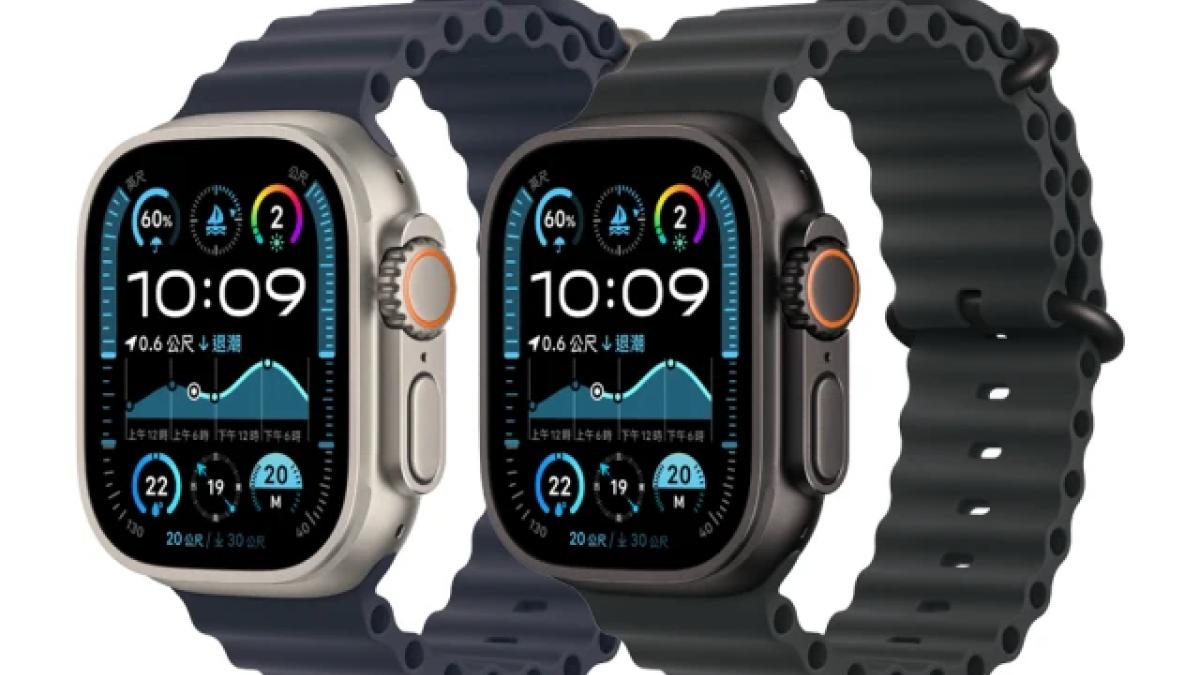
Additionally, the DOJ claims Apple hampers the development of cloud gaming streaming services, blocks third-party digital wallets from accessing the iPhone’s Near Field Communication (NFC) payment functionality, and negatively impacts competition in the smartwatch market by making it difficult for non-Apple devices to compete with the Apple Watch.
The antitrust suit was jointly filed by the DOJ, 19 U.S. states, and the District of Columbia. However, it remains unclear whether the states are involved in the current settlement talks or if negotiations are being conducted solely between the federal DOJ and Apple.
With the return of the Trump administration, the DOJ has shown a growing preference for resolving legacy antitrust cases through negotiation rather than prolonged litigation. Senior officials argue that settlements can save taxpayer costs and deliver faster, tangible benefits to markets and consumers compared to years-long court battles.
Notably, Apple has already made several adjustments in recent years that align with some of the lawsuit’s concerns. For example, it has allowed developers to launch Mini Apps, officially adopted the RCS (Rich Communication Services) standard to improve messaging interoperability between Android and iPhone, permitted cloud gaming streaming apps on the App Store, and gradually opened up its NFC chip to enable third-party digital payment services beyond Apple Pay.
However, Apple has maintained that the Apple Watch can only be paired with iPhones, with no support for Android or other non-iPhone devices. While Apple has improved the experience for other brands’ smartwatches connecting to iPhones, the lack of cross-platform compatibility for Apple Watch remains a key concern for the DOJ.
Bloomberg notes that negotiations are still in their early stages, and even if discussions continue, there is no guarantee a settlement will be finalized. Antitrust settlement talks are inherently volatile, and either party could walk away, leading the case back to court.
Apple has declined to comment on Bloomberg’s report, and the DOJ has not issued a formal response to media inquiries.
FACT BOX
- Source: PR Times
- Category: News
- Organizations: Tencent / Google / Meta
- Products / services: iPhone / Apple Watch