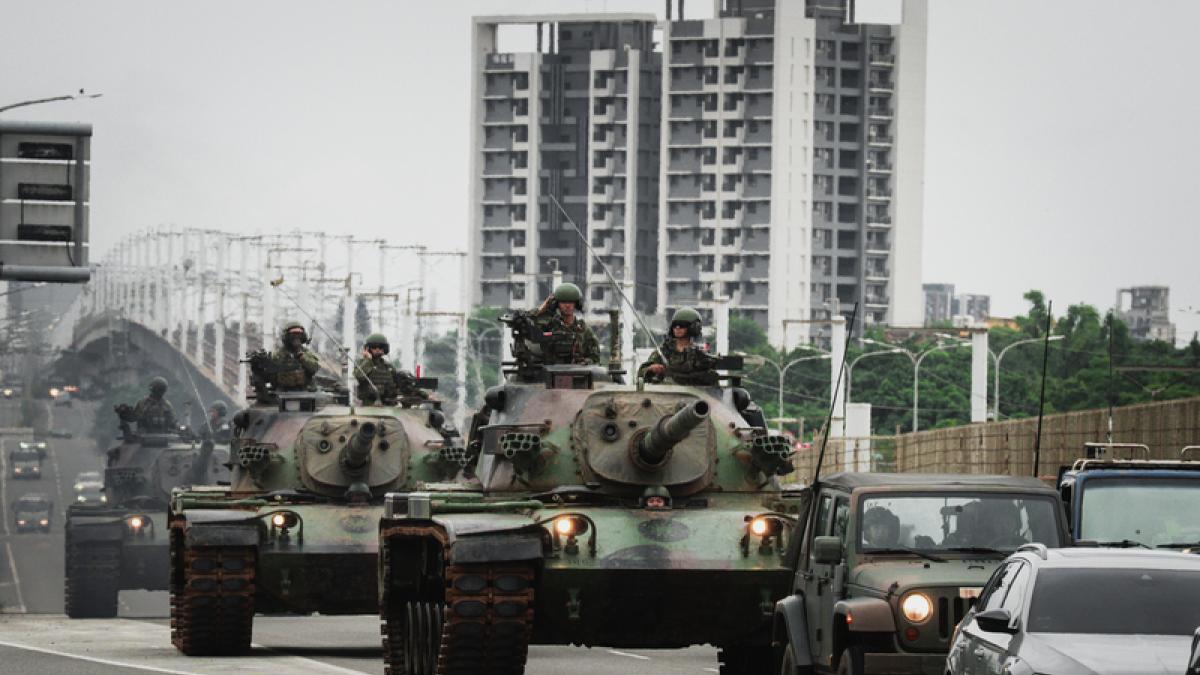
The military is facing a shortage of personnel, with many service members choosing to leave early, even if it means paying breach penalties. According to statistics from the Ministry of National Defense, between 2021 and 2025, a total of 4,267 individuals were required to pay compensation, amounting to a cumulative NT$929 million. Among them, three individuals faced compensation exceeding NT$20 million, drawing public attention.
Regarding the wave of early discharges, the Ministry stated that from 2021 to the end of 2025, 6,315 people applied for early discharge. Of these, 4,267 were required to pay compensation, and 3,817 have already completed payment. Additionally, 594 applied for installment payments, accounting for 14% of those required to pay. The most common compensation range was between NT$1 million and NT$1.5 million, with 92 individuals in this bracket. Three individuals were required to pay over NT$20 million, three between NT$10 million and NT$20 million, and ten between NT$5 million and NT$10 million. However, the Ministry did not disclose the branches, positions, or ranks of these individuals.
In response, former Air Force Vice Commander Chang Yen-ting appeared on the program "News Straight Talk" and stated that poor military pay and being overworked—where one person does the job of two—has created a vicious cycle. The fact that some are willing to pay up to NT$20 million to leave early shows just how harsh the environment and immense the pressure within the military truly are.
Chang criticized the Democratic Progressive Party (DPP) for belittling and suppressing military personnel. He urged the government to act swiftly and increase military pay, rather than delay further. He pointed out that mocking soldiers as "rice bugs" in the past was deeply wrong and unwise, and many still carry emotional scars from such remarks. He warned the DPP to face this issue seriously and not adopt an ostrich-like attitude, hoping to avoid responsibility.
Chang emphasized that military pay is so low that no one would want to serve—"it's better to become a delivery rider." After deductions for health insurance and pension contributions, a soldier's monthly take-home pay is only NT$38,000, less than NT$40,000. "You can just work outside and enjoy freedom and peace of mind," he said. With such poor compensation, it's impossible to recruit quality personnel. The military is short by 50,000 soldiers, leading to a situation where one person does the work of two—a clear vicious cycle. The fact that people are willing to pay NT$20 million to leave shows how unbearable the conditions and stress have become. Assuming a young person saves NT$500,000 per year, it would take 40 years to save NT$20 million. A 20-year-old soldier would essentially lose their entire life saving that amount, yet they still choose to leave—this alone reveals how dire the situation truly is.
FACT BOX
- Source: PR Times
- Category: News