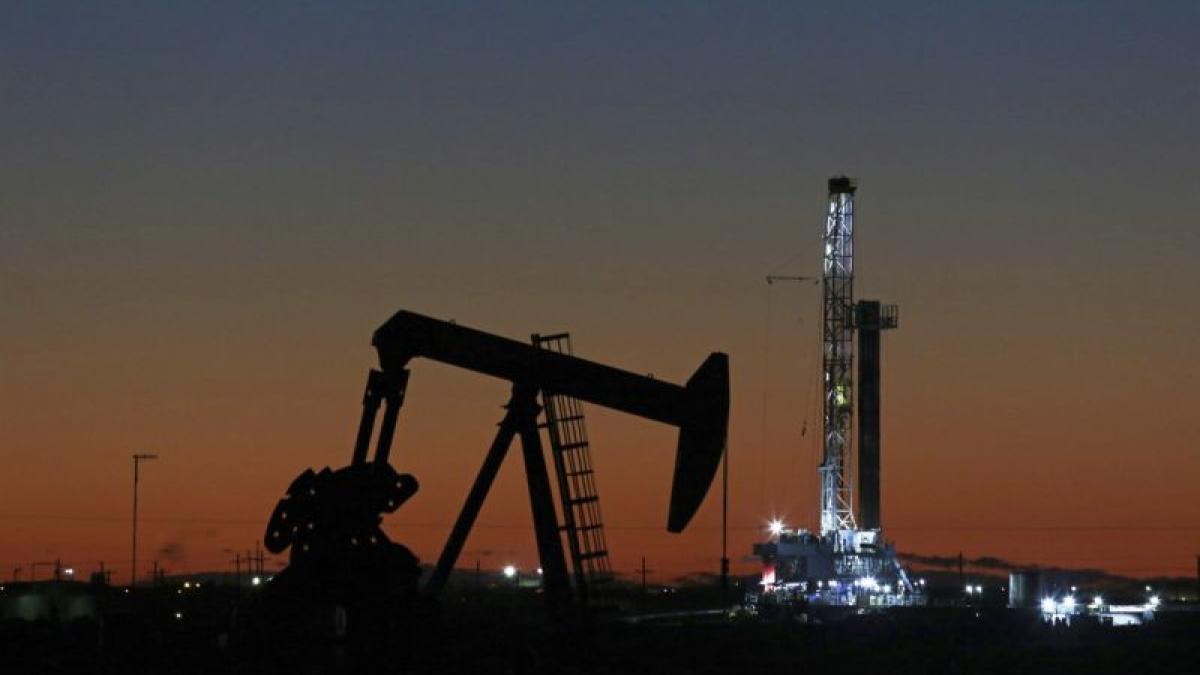
Rising geopolitical tensions in the Middle East have triggered a sharp surge in international oil prices, accompanied by a simultaneous rise in U.S. Treasury yields. According to CNBC, Brent crude futures briefly broke above $100 per barrel. Market concerns over energy prices reigniting inflation pressures were compounded by unexpectedly low U.S. initial jobless claims, which fell below 200,000 last week. Investors are reassessing the Federal Reserve's future interest rate path, pushing the 10-year U.S. Treasury yield to 4.707%, the highest level since January 15, 2025.
Why did oil prices breach $100 while Treasury yields also rose?
The report noted that the 10-year U.S. Treasury yield rose 5 basis points to 4.707%. The 2-year yield, which closely reflects Fed short-term rate expectations, increased over 4 basis points to 4.343%. The 30-year yield climbed to 5.188%. Bond yields move inversely to prices; rising yields indicate downward pressure on bond prices.
Will Middle East conflict push oil prices higher again?
Oil prices continued to climb due to Houthi attacks on oil tankers off Saudi Arabia's Red Sea coast and renewed U.S. threats of intensified military action against Iran. July-dated Brent crude futures surged over 5%, briefly breaking the $100 mark. U.S. West Texas Intermediate (WTI) crude also rose about 4%, surpassing $90 per barrel. Goldman Sachs' latest report warns that if disruptions in the Strait of Hormuz persist, Brent crude could rebound to $120 per barrel in Q4.
Can weak Chinese demand cap oil prices?
CNBC reported that Goldman Sachs analyst Daan Struyven noted declining U.S. crude inventories have made the oil market more vulnerable than in February. However, compared to similar conditions earlier, the upside potential for prices may be limited due to higher demand elasticity, particularly weak Chinese crude imports, which could constrain price gains. The report also mentioned that the U.S. continues to sell from its Strategic Petroleum Reserve (SPR), raising concerns that stockpiles are nearing the so-called 'tank bottom' level—where rapid extraction of sufficient crude to meet demand becomes difficult.
Meanwhile, U.S. labor market data has heightened market sensitivity to inflation and interest rates. For the week ending July 18, initial jobless claims totaled 187,000, below the Dow Jones economist consensus estimate of 212,000. Chris Rupkey, chief economist at FWDBONDS, stated, 'The economy may be heating up again today, but the escalation of war in the Middle East has almost overnight reversed energy prices. The road ahead for the labor market may still be bumpier.'
He pointed out that some Fed officials are reconsidering rate hikes this year due to rising inflation risks, but cautioned about labor market risks, especially as recent graduates face increasing difficulty finding jobs.
FACT BOX
- Source: PR Times
- Category: News
- Organizations: FWDBONDS