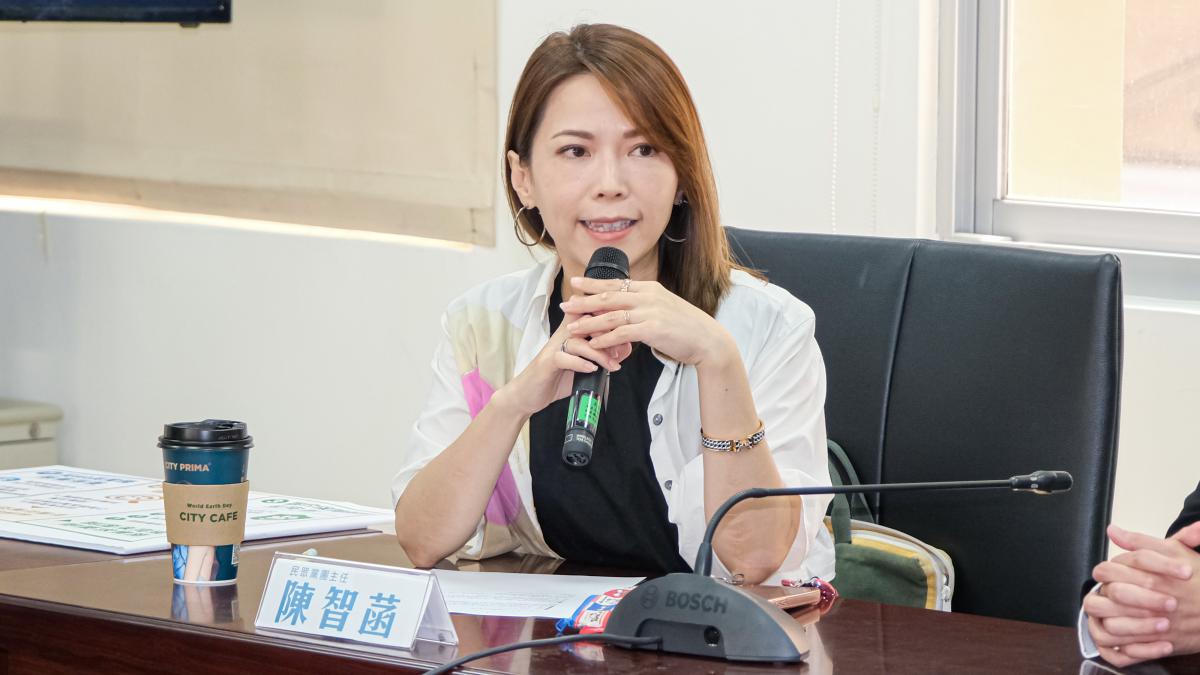
According to a source from Taiwan's Administrative Enforcement Agency, during the debt collection process against Ko Wen-je, if a prohibition order is issued, he would be barred from using air travel or high-speed rail for campaign activities during the upcoming year-end elections. Instead, he would be restricted to ordinary vehicles and unable to stay in five-star hotels. This revelation triggered strong backlash from Chen Zhihan, Director of the Taiwan People's Party's Legislative Yuan caucus, who criticized the leak as self-incriminating and legally flawed.
Chen emphasized that under Article 26, Paragraph 1 of Taiwan's current Administrative Penalty Act: 'When an act simultaneously violates criminal law and administrative obligations, criminal law shall take precedence.' This means three key principles: (1) criminal proceedings take priority, (2) administrative penalties should not precede a final criminal verdict, and (3) double jeopardy is prohibited. She accused the government of conducting political theater by imposing administrative penalties before any criminal conviction.
Chen pointed out that after Wednesday's court session, media manipulation resumed—first with claims that Ko maliciously concealed assets, then with anonymous officials suggesting a 'national debt collection group' would move aggressively to ruin Ko's reputation and restrict his mobility. The so-called 'luxury ban' even allows public reporting of violations.
Citing Storm Media, Chen noted that enforcement officials claimed Ko would be restricted to regular cars, unable to use high-speed rail or flights, and prohibited from staying in luxury accommodations—even if supporters voluntarily offer them. She condemned this as a clear violation of due process, arguing that criminal cases are still ongoing and administrative enforcement should not preempt judicial outcomes.
She criticized the Democratic Progressive Party (DPP) for selective and illegal enforcement, accusing the监察院 (Control Yuan) of retroactively labeling political donations as 'embezzlement' and framing Ko's business activities as illegal fundraising—charges she called 'fabricated.' She questioned the urgency, asking if the government fears Ko's campaign momentum could threaten the DPP's power.
Mocking the officials, Chen asked if they were descendants of Qin Hui, the infamous traitor known for issuing 12 imperial orders to recall and execute General Yue Fei. 'Do you think Ko will suffer if he can't fly business class or stay in hotels? He’s perfectly happy in old temple guesthouses,' she said. 'Save this vicious approach for Wu Nai-jen, Lai Qing-de’s mentor, who owes the state NT$170 million yet still dines at Michelin-starred restaurants—and whose conviction is already final.'
Additional exclusive reports from Storm Media include:
- 'Behind the Scenes: The “National Debt Collection Company” Targets Ko Wen-je—Even High-Speed Rail Banned, Luxury Ban Open to Public Reporting' - Shen Zheng-nan Reveals He’ll Reunite with Ko Wen-je After 5 Years, Shares Chat Logs, and Promises to Guarantee One Thing - Is the Prosecutor Applying Double Standards? Delayed Appeal in Chung Lien Oils Case vs. Swift Action Against Ko Wen-je – Chen Hui-wen Mocks: 'For Ko, it’s urgent as a royal decree'
FACT BOX
- Source: PR Times
- Category: News