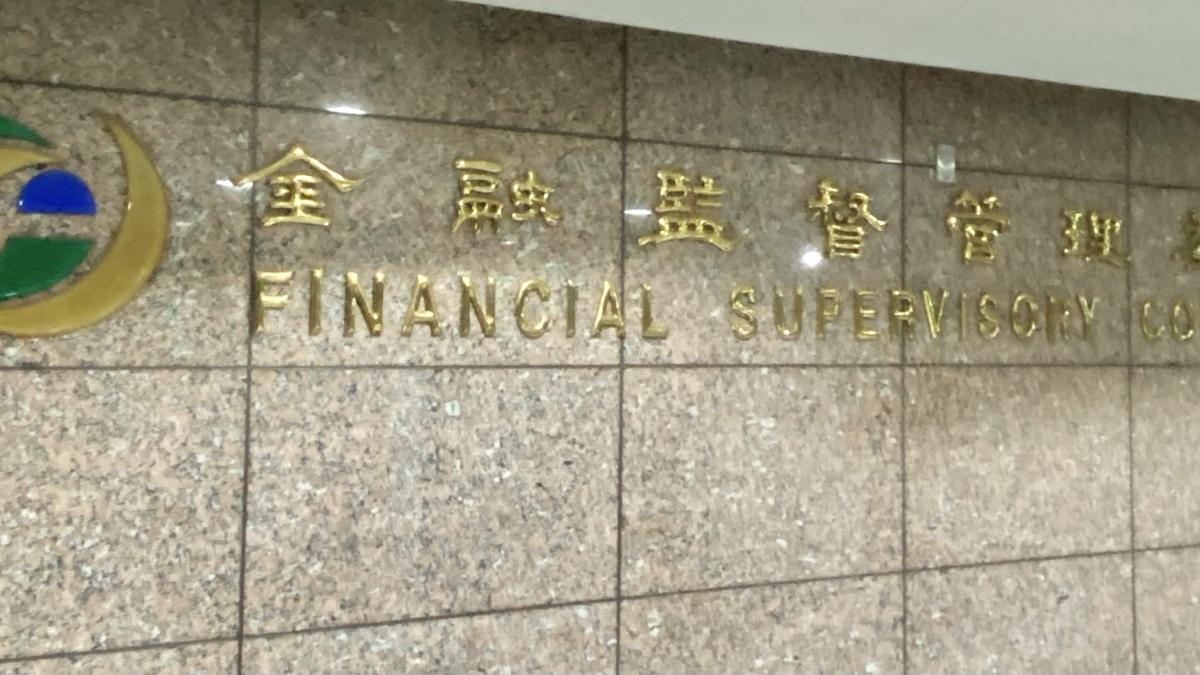
The 2026 Urban Resilience Drill will include a first-time 'mobile network slowdown' exercise, with 30-minute slowdowns scheduled for August 10 in central Taiwan and August 13 in northern Taiwan, from 2:30 PM to 3:00 PM. The Financial Supervisory Commission (FSC) announced on the 23rd a comprehensive assessment of financial services potentially affected, urging the public to use Wi-Fi or fixed-line networks for transactions during the drills, complete critical transactions in advance, or switch to counter, voice, or manual ordering to minimize disruptions.
This year’s Urban Resilience Drill consists of five phases, with mobile network slowdowns conducted in two phases. The August 10 central drill covers Miaoli, Taichung, Nantou, Changhua, Yunlin, and Chiayi counties and cities. The August 13 northern drill includes Yilan, Keelung, Taipei, New Taipei, Taoyuan, and Hsinchu counties and cities.
Kuo-Kuei Chang, Deputy Director of the FSC’s Banking Bureau, explained that the drill targets only mobile data networks, excluding Wi-Fi and fixed-line networks. Therefore, using mobile banking, internet banking, e-payment apps, online ATMs, or the National Payment Network via mobile networks may result in slower connections or transaction delays. The public is advised to use Wi-Fi, wired connections, or fixed-line networks, complete important transactions in advance, or conduct them in person at branches.
Chang noted that physical ATM transactions using chip financial cards operate via dedicated lines and are unaffected by mobile network slowdowns. However, services such as cardless withdrawals, QR code cash withdrawals, financial account verification, or using the National Payment Network via mobile networks may experience delays or disruptions due to reduced connectivity speeds.
For e-payment services, transactions will proceed normally if connected via Wi-Fi or fixed-line networks. However, using mobile data networks may lead to payment failures, duplicate charges, or transaction errors due to reduced speeds. In case of disputes, users can contact their e-payment providers or merchants for resolution. Stored-value card transactions themselves are unaffected, but topping up via mobile networks may experience slowdowns or transaction anomalies.
Regarding credit card transactions, Chang stated that physical cards and NFC contactless payments via smartphones, including Apple Pay, remain unaffected. NFC-based metro rides and purchases at partner merchants will function normally. Additionally, anti-fraud authentication SMS messages sent by banks use telecom signals, not mobile data, and are therefore expected to remain unaffected.
Investors have also expressed concerns about potential impacts on securities trading. Huang Hou-Ming, Deputy Director of the Securities and Futures Bureau, recommended switching smartphones from mobile networks to Wi-Fi or using fixed-line connections via computer web platforms or trading software. Alternative methods such as phone voice orders, manual orders, or counter trading are also available.
For insurance services, Chen Ching-Yuan, Deputy Director of the Insurance Bureau, advised that in case of urgent needs such as claims notifications and mobile data disruptions, the public should contact their insurers via phone or toll-free customer service hotlines.
FACT BOX
- Source: PR Times
- Category: Event