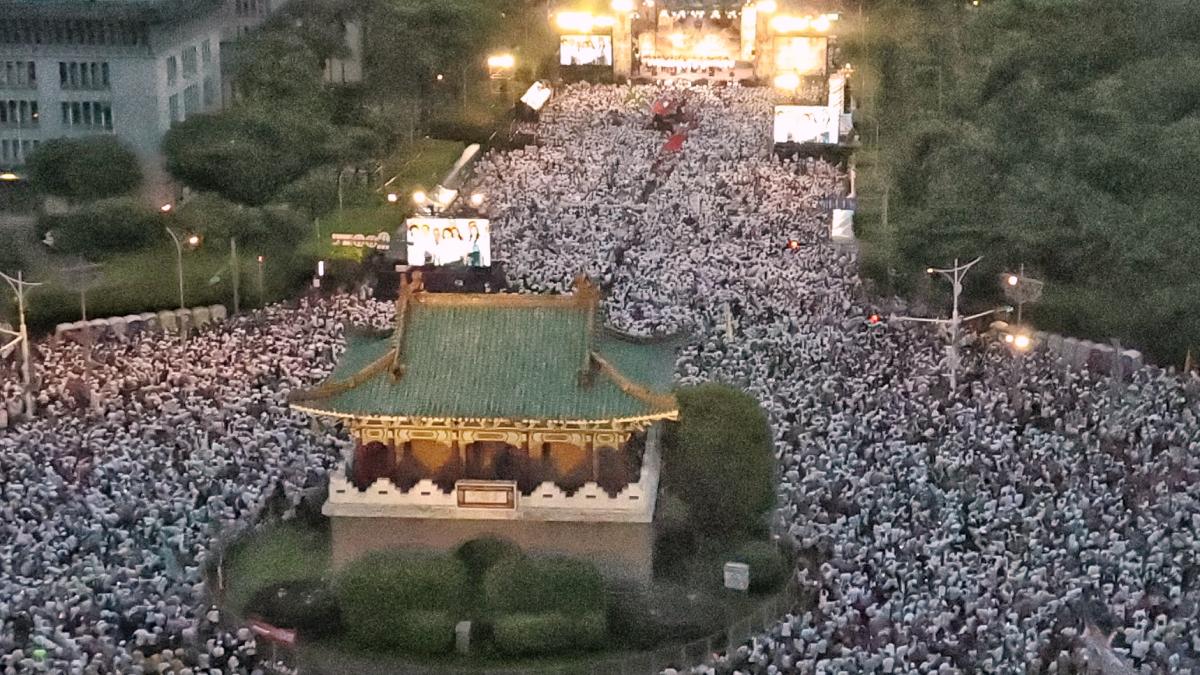
When Chiang Wan-an called for a gathering on Ketagalan Boulevard on July 25, it immediately sparked fierce debate between supporters and opponents. This is a direct manifestation of public opinion scrutinizing government policies, and the inner emptiness felt by the government when its actions lose public favor is palpable. This is precisely the moment when online armies and political allies are mobilized, inevitably creating a confrontational social atmosphere.
It is expected that many will pay attention to this Ketagalan Boulevard event, but even more will focus on the number of participants—after all, attendance is a key indicator of the event’s success. To put it bluntly, it may even determine Chiang Wan-an’s political future and could significantly impact the Kuomintang’s trajectory. However, the author believes that since this food safety march has already drawn nationwide attention, the government must conduct a thorough self-examination regardless of how many people show up. The outcome of 'officials forcing people to rebel' ultimately places the greatest responsibility on the government—especially since the turnout far exceeded expectations.
From past experience, crowd estimates during protests are always approximate, with different methodologies leading to vastly different numbers. This discrepancy allows each side to interpret the figures to their advantage, and supporters tend to accept only the numbers that align with their beliefs, further deepening societal divisions.
Therefore, the author urges the government not to fixate on attendance figures but to humbly reflect on why so many citizens felt compelled to take to the streets. In recent days, we have seen numerous outrageous data points regarding food safety, yet the government has failed to provide adequate explanations. The public has lost faith in a government that offers no apologies and holds no one accountable. If the government truly cares about public health, it should confront these issues directly instead of repeatedly shifting blame.
Protesting may be seen as a waste of social resources, but it is often the most helpless choice for citizens. As legislator Lin Shu-fen pointed out, Taiwan’s food safety problems were already evident in 2021. For years, the government continued to cover them up, which is why the situation now appears so dire upon exposure. Even more disheartening is that, even after the truth has come to light, no one has stepped forward to take responsibility.
Now, citizens are sending the government a blunt reminder and sincerely hope the government will listen. The government must not remain inactive after genuine public sentiment has been expressed—otherwise, the nation’s progress will face even greater challenges. As the saying goes, 'nothing is sadder than a dead heart.' If the ruling party remains arrogant, focused solely on maintaining power, the people will be powerless. Yet, in return, future government initiatives will receive no public cooperation, and Taiwan’s development will lose direction. Can the current administration really 'blame' someone else for this outcome?
*Author is a university professor
FACT BOX
- Source: PR Times
- Category: キャンペーン