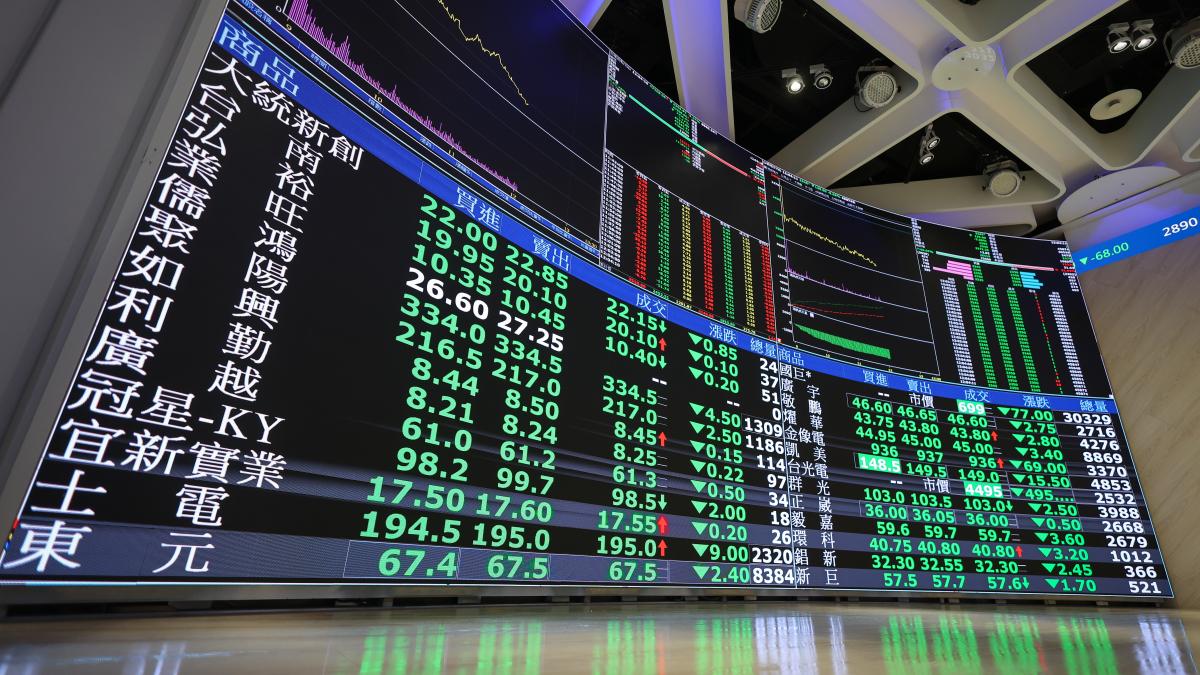
Recently, with U.S. economic data and the hawkish stance of Federal Reserve (Fed) officials, the market widely expects at least one rate hike this year. Financial expert Guan Muhao, in the program 'Listen to Big Brother Guan,' explained that once a rate hike is decided, financial markets will inevitably face pressure initially. This pressure, however, might lead to a rapid drop in long-term bond yields, stabilizing the financial market and causing a rebound in the stock market after a deep fall. Guan Muhao explained that when bond market investors believe the central bank is too lenient on inflation or fiscal spending, the 'Bond Volunteers' will vote with their feet. If the Fed decides not to raise rates in this meeting, will bond yields surge even higher? Because everyone will worry that the Fed is tolerating inflation and the already very high bond yields. In such a situation, the 'Bond Volunteers' might more obviously enter the market to short U.S. bonds. What will happen if bond yields rise? Guan Muhao said the market might doubt the Fed's resolve. If they do, they will sell, and bond market investors will vote with their feet, selling long-term bonds, causing long-term interest rates, including 20-year and 30-year rates, to continue rising. This will create a market tightening force, a real tightening force that acts as the central bank's tightening force. U.S. consumer loans, whether for housing, student loans, or auto loans, are priced not based on the Fed's federal funds rate but on the market's 10-year bond yield, using the current market trading rate, not the nominal rate. So even if the Fed keeps rates in the 5% to 5.25% range, if the 10-year Treasury yield continues to surge close to 5%, it will still push up mortgage rates, auto loan rates, student loan rates, and other credit rates. Does raising rates have any benefits? Guan Muhao pointed out that the market is now assessing that if the Fed does not act, it means 'we will take action ourselves.' This is the implication of the 'Bond Volunteers.' In such a situation, it is not ruled out that we might see a rate hike decision this Thursday morning. Once a rate hike decision is seen, financial markets will inevitably face pressure initially. After all, it has been a long time since the last rate hike, and everyone has gotten used to a rate-cutting cycle and loose monetary conditions. Suddenly starting to raise rates will definitely raise market concerns. Guan Muhao mentioned that although some people expect a rate hike, showing a probability of nearly 40%, it will still put heavy pressure on the market. But if the pressure is pushed down, it might be the last straw, and we might see long-term bond yields surge and then quickly fall, quickly falling to stabilize the financial market and cause the stock market to rebound after a deep fall. Should we let the market crash all at once? Guan Muhao said he would rather see a rate hike this time. After all, structural damage in the financial market has already appeared. It's better to let it break thoroughly, let the overall market crash to the bottom, let U.S. stocks or Taiwan stocks, the global market, crash all at once. If the rate hike is delayed until September, the situation in the financial market might worsen because the market will doubt the Fed's resolve to fight inflation. Once there is doubt, if the 10-year Treasury yield surges towards 5%, the real destructive power on the entire financial market will be even greater. If Huaxi is an old Wall Street hand, understands these principles, will they decide to raise rates this time? This possibility cannot be ruled out at all.
FACT BOX
- Source: PR Times
- Category: News