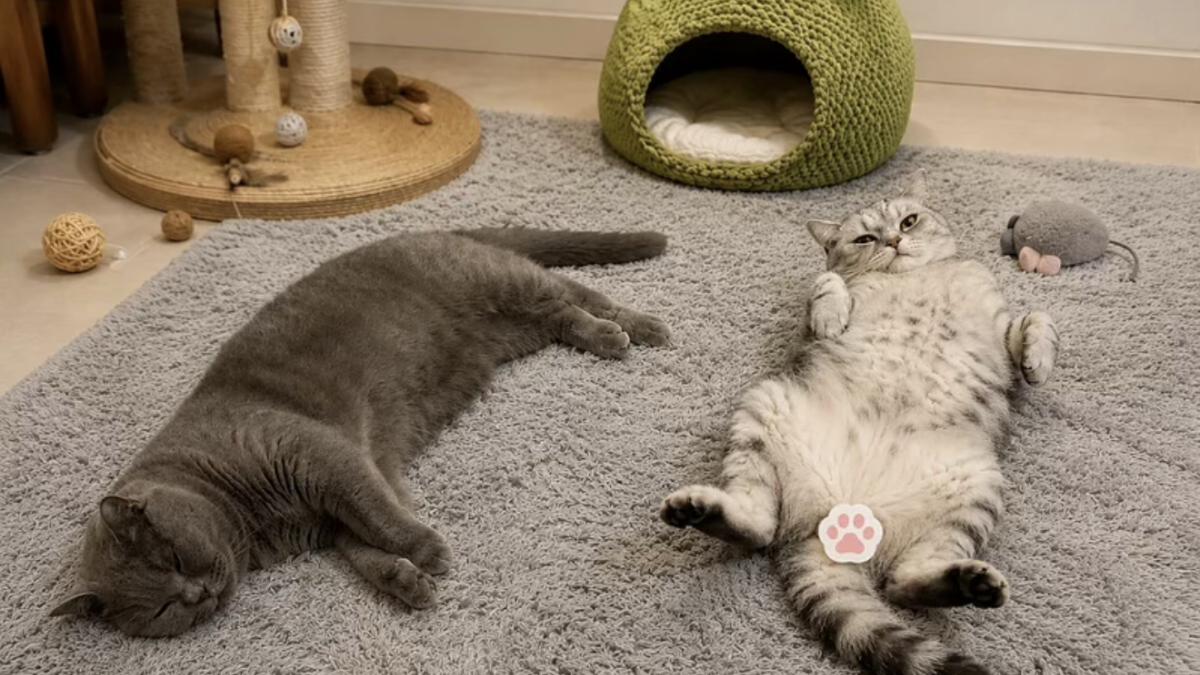
Round bodies and sagging bellies may make pet owners exclaim 'cute,' but a cat's 'happy fat' could be hiding serious health warnings. Veterinarians caution that excess weight increases the risk of diabetes, joint disorders, and urinary system diseases. Weight management requires long-term owner commitment—rather than waiting for health problems to arise, it's better to start managing diet and activity levels early.
Over Half of Clinic Cats Are Overweight—Diabetes Risk Rises
Dr. Chang Po-te of Ai-Miao Yuan Veterinary Clinic cited a Taiwan pet weight management survey indicating over 60% of domestic cats require weight management, with some clearly exceeding ideal body fat levels. Clinical observations show about half of visiting cats are overweight.
Dr. Chang noted studies show obese cats are more likely to seek treatment for joint issues and face higher diabetes risks. Excess weight can also impair metabolism, immune function, and anesthesia safety—owners should not judge a cat's health by appearance alone.
Veterinarians typically use body condition scoring, observing ribs, waistline, and abdominal fat, combined with palpation, weight, and muscle mass to determine if a cat needs body management.
Metabolism Slows After Neutering—Feeding the Same Amount Leads to Weight Gain
Dr. Chang warned that after spaying or neutering, a cat's metabolism and calorie needs may decrease. If owners continue feeding the same amount, weight can rapidly increase. Some owners respond by drastically cutting food, potentially causing hunger, anxiety, or nutritional deficiencies.
Prolonged inadequate intake forces the body to break down fat excessively, increasing the risk of fatty liver disease. Therefore, weight management isn't just about eating less—it requires calorie adjustment under veterinary guidance while maintaining protein, minerals, and essential nutrients.
Functional Food Targets Overweight Cat Market—Veterinarians Urge Evaluation First
Pet healthcare brand 'PetDoctor' launched a specialized body management functional food for overweight cats, featuring controlled calories and low-glycemic formulas. Designed according to pet nutrition standards, it balances protein, fat, and mineral ratios to ensure satiety and daily nutritional needs.
The brand states the product includes herbal ingredients, is manufactured in Taiwan using freshness-locking processes, and undergoes third-party lab quality testing. However, Dr. Chang emphasized that cats vary by age, activity level, and health status. Owners should first consult a veterinarian before choosing a body management diet and regularly monitor weight and muscle changes.
FACT BOX
- Source: PR Times
- Category: New Product