The Han Kuang 42 live-fire military exercise will take place from August 5 to 14. For the first time, it includes a 'mobile network throttling' drill as part of urban resilience training. On August 10 in central Taiwan and August 13 in northern Taiwan, mobile network speeds will be reduced for 30 minutes in designated areas during air defense drills.
However, the southern region will not be included in this drill, sparking public concern. In response, the National Communications Commission (NCC) stated on the 28th that approximately 17 million people in central and northern Taiwan—over 73% of the national population—will be affected. The scope was determined based on comprehensive assessments of communication traffic volume and population density.
Liang Po-chou, Director of the NCC, emphasized that this is Taiwan’s first-ever mobile network throttling drill. Drawing from international practices, the exercise areas were selected by analyzing communication load, population distribution, and infrastructure resilience. The initial phase focuses on the most densely populated and heavily trafficked regions—central and northern Taiwan—with plans to gradually expand to all counties and cities nationwide.
Liang noted that southern, eastern, and outlying islands have previously experienced real-world communication disruptions. For example, Typhoon Danas caused widespread power outages and base station damage in the south; the April 3 Hualien earthquake prompted the use of low-orbit satellites and microwave communications; and Matsu faced a 50-day undersea cable outage, relying on microwave links for connectivity. Given these past incidents, inter-ministerial consultations prioritized central and northern regions, which cover 73% of the population, to strengthen emergency response capabilities.
Criticism has arisen over the NCC’s initial decision to exclude the south, particularly due to concerns about investor reactions. Liang clarified that timing and scope were based solely on technical and demographic factors to effectively test government and public resilience, not economic considerations.
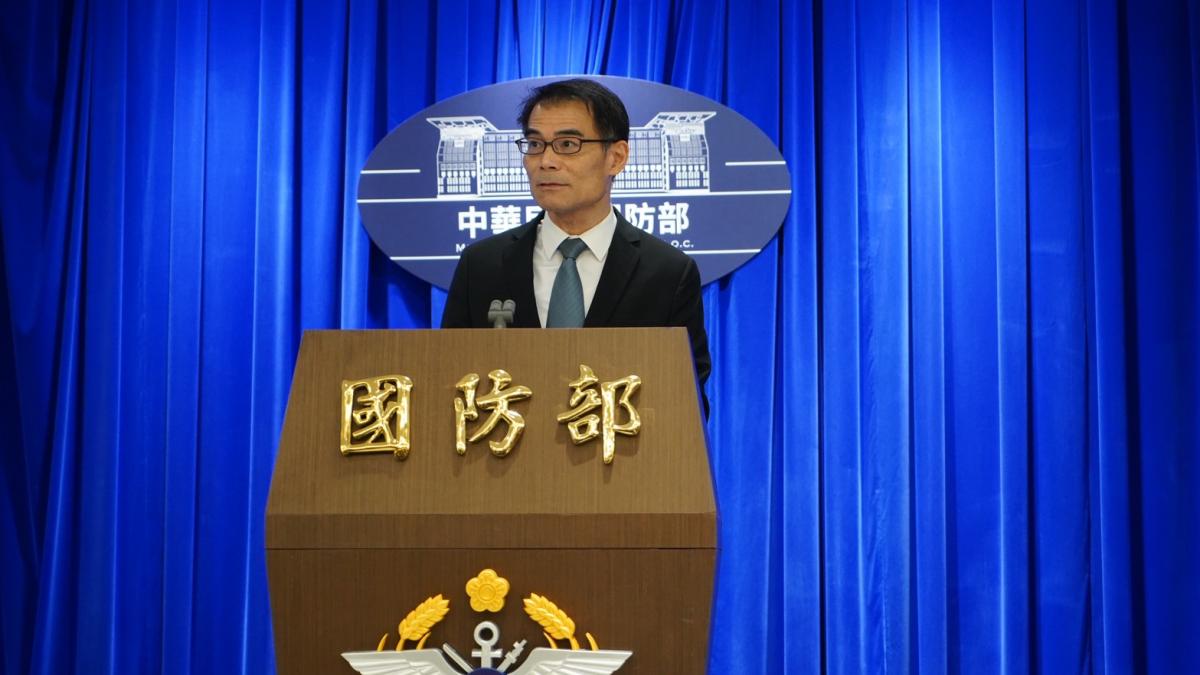
Regarding impacts on daily life, the Ministry of National Defense confirmed that essential public services will remain fully operational during the drills. Emergency services (119, 110), ambulance communications, ATM functions, and traffic signals will all be maintained to ensure public safety and social stability.
The NCC confirmed that over 17 million people—more than 73% of Taiwan’s population—will be affected by the throttling drills. Future exercises aim to expand nationwide to enhance overall communication resilience across all regions.
FACT BOX
- Source: PR Times
- Category: Event