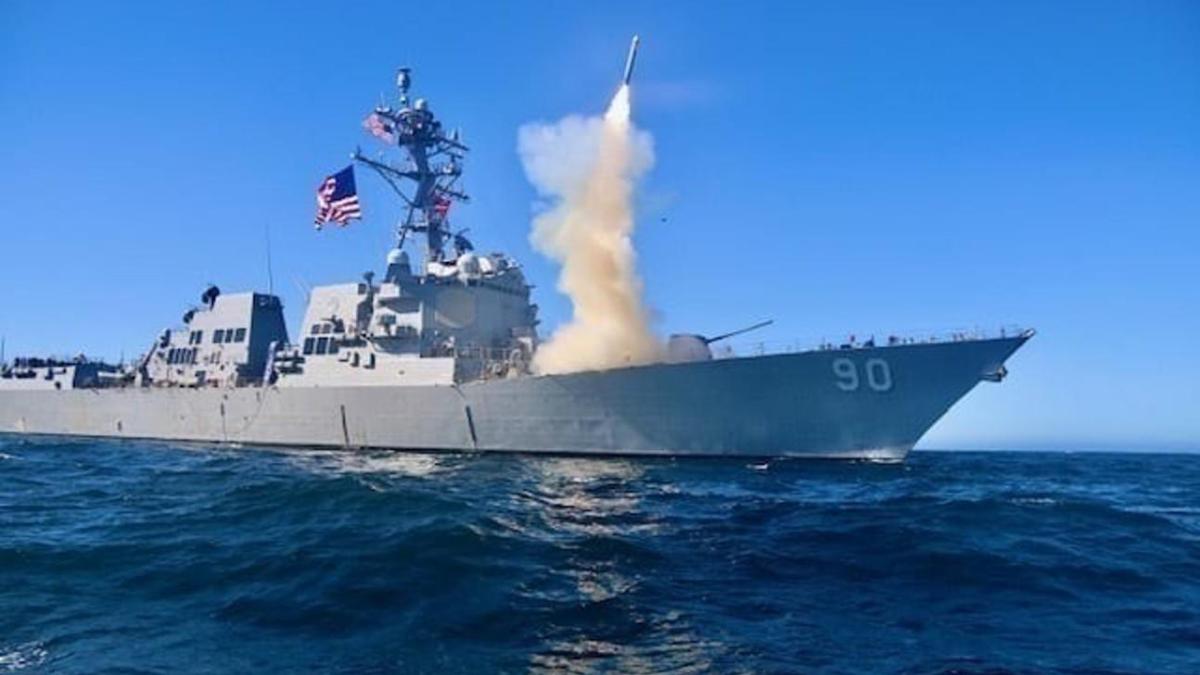
Faced with reality, the Trump administration can only resort to TACO (Tactical Pause, Adjust, Continue, or Override) once again. Since the 24th, the US military has not engaged Iran in combat for three consecutive days, pausing its 13-day airstrike campaign. According to US media reports, General Cooper, commander of US Central Command, recommended last week halting strikes in the Strait of Hormuz, as bombing operations have ceased to yield significant results.
The New York Times revealed that Chairman Cain of the Joint Chiefs of Staff privately warned Defense Secretary Hegseth and President Trump that shortages of air defense missiles could undermine the ability to protect US forces and allies in the region.
General Cooper emphasized that unless a decision is made to resume large-scale combat operations, continuing the past two weeks’ bombing campaign is meaningless. The White House meeting on the 24th discussed not only US military ammunition stockpiles but also the potential consequences of resuming large-scale operations—such as massive Iranian civilian casualties, which could provoke unlimited retaliation from Iran in the form of widespread terrorist attacks. Additionally, the US must assess its domestic tolerance for increased military casualties and the impact on midterm elections.
Over the past week, President Trump has threatened to bomb Iranian power plants, bridges, and roads. However, during the meeting, he was warned that such actions could cause heavy casualties among US and Iranian military and civilians alike, leaving many civilians without electricity or food, potentially triggering an international humanitarian crisis and widespread condemnation.
The influence of China and Russia behind the scenes cannot be ignored. If the US launches a full-scale war, the Persian Gulf will face comprehensive retaliation from Iran. If the Bab el-Mandeb Strait in the Red Sea is also blocked, a global energy crisis is inevitable, and the risk of a third world war begins to loom.
China and Russia will not allow Trump to act recklessly, especially with the crucial US-China summit in September on the horizon—something Trump cares deeply about. The White House meeting also raised concerns about a potential Iranian refugee crisis, retaliatory strikes on Persian Gulf nations’ energy and seawater desalination facilities, and further escalation of tensions. While the US military may have the capability to launch devastating large-scale attacks, President Trump must consider the second- and third-order consequences. Can or will the United States bear or accept them?
The US Congress and public do not support this war. Congress refuses to approve increased military spending, leaving the Department of Defense in a bind—war budgets are insufficient, ammunition is running low, and production cannot keep up. Aircraft carrier strike groups and major strategic weapons must be deployed across other regions and cannot be fully concentrated in the Gulf. US military morale is low, with troops unsure of what they are fighting for. Rising oil prices and inflation caused by the war have led to growing anti-war sentiment among the public.
Iran’s resistance is merely a fight for survival. Iran’s ability to sustain the war is barely holding, with economic pressure being the key factor. It relies on the psychological resolve of a victim forced into a final battle, using nationalism to unite the people, amplified by the religious fervor of a theocratic state. Domestic opposition groups dare not speak out. United in survival, Iran faces a politically divided America, with China and Russia providing behind-the-scenes support—giving Iran a chance to end the conflict.
Diplomatic negotiations remain the last resort. The US and Iran are now in a war of endurance, and the world is testing its resilience. Energy crisis, economic pressure, war risks, and political willpower—who will hold out the longest and who will eventually yield? Diplomacy remains the final option, and Trump’s ‘my way or the highway’ approach is destined to fail.
*Author is a retired lieutenant general and former legislator.
FACT BOX
- Source: PR Times
- Category: News