Investors are almost pleading with the 'capital expenditure heavyweights' in the artificial intelligence (AI) space to back down first. Who will blink first? The market is offering highly attractive incentives to lure these giants into tightening their purse strings—or at least keeping capital expenditures stable.
Last week, Alphabet, Google's parent company, reported quarterly earnings showing it will increase its capital expenditure by $10 billion this year, reaching approximately $200 billion. The announcement dragged Alphabet's stock price down nearly 7%. The massive spending has turned Alphabet's free cash flow negative—the first time since the company went public about 20 years ago.
Investors showed no leniency toward Tesla either. Although Tesla's AI spending pales in comparison to other tech giants, its second-quarter expenditure increase to $5.8 billion still rattled investors. The next day, Tesla's stock plunged about 12%.
These developments make this week particularly significant. Two other major AI spenders—Microsoft and Meta—are set to report quarterly earnings on Wednesday. Both companies have ambitious plans and substantial spending commitments. However, they are also aware that rapidly increasing capital expenditures without commensurate returns have made investors increasingly nervous.
Meta may have the strongest incentive to pull back. Lacking a cloud computing business or proprietary enterprise software operations, Meta has fewer pathways than its peers to convert current AI investments into future revenue. Its financial position is also tighter: its debt-to-equity ratio is higher than Microsoft's and Alphabet's. Without further large-scale borrowing, it's unclear how Meta can sustain continued spending growth.
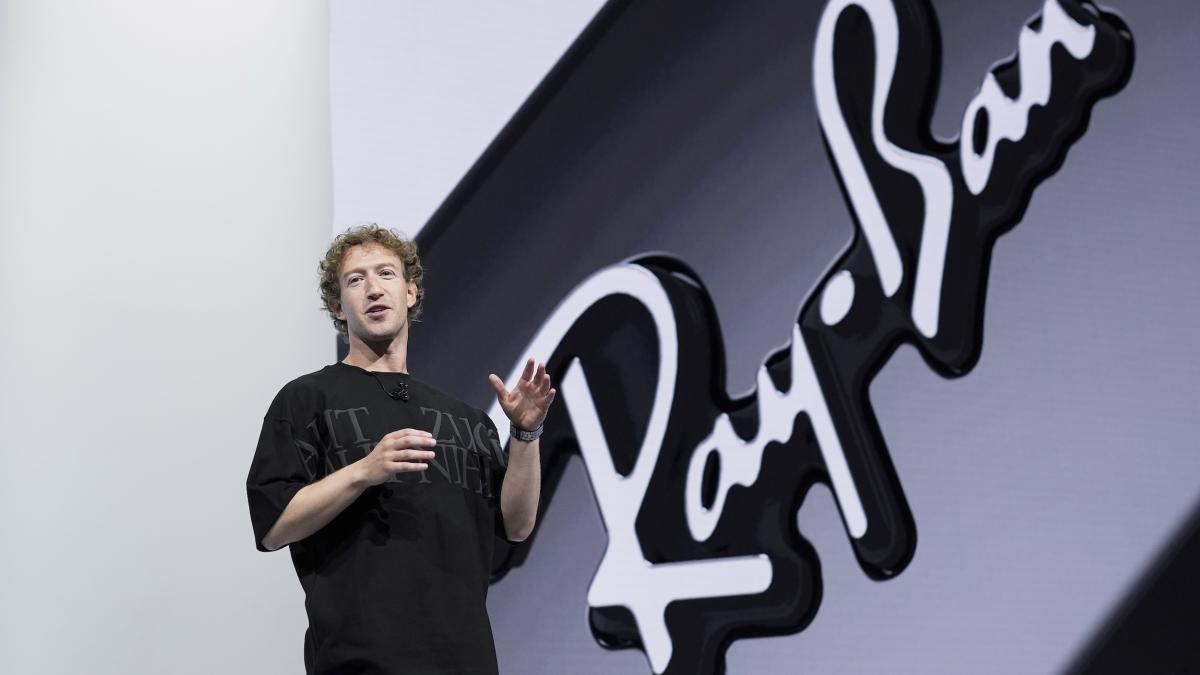
Moreover, Meta's AI strategy has appeared inconsistent, plagued by technical missteps, project delays, frequent reorganizations, and executive turnover. Meanwhile, its ventures beyond its core social media business—whether virtual reality headsets or Ray-Ban smart glasses—have consumed vast resources without delivering significant financial returns.
Laura Martin, an analyst at Needham, noted in a report last Friday that Meta should focus on businesses with strong returns and decisively abandon others. "We believe Meta's strategy is too scattered and wastes shareholder capital," she wrote.
Historical precedent shows investors can force Meta to change. Back in 2022, when Meta was heavily betting on the so-called 'metaverse,' it delivered a dismal third-quarter earnings report. Its Reality Labs division, responsible for VR hardware, incurred an operating loss of $9.4 billion in the first nine months of that year.
The day after the earnings release, Meta's market value evaporated by nearly a quarter. In response, Meta initiated layoffs and cost-cutting at Reality Labs—though the division's losses have remained staggering even as it shifts focus toward AI.
If investors 'punish' Meta for further increasing capital expenditures, a similar scenario could easily replay. Yet at the same time, Meta's CEO Mark Zuckerberg remains a staunch believer in AI. Unless other giants have already begun retreating, convincing him to tighten Meta's purse strings will not be easy.
FACT BOX
- Source: PR Times
- Category: News
- Organizations: Alphabet / Google / Tesla