The Tzu Chi Foundation's 2021 BNT vaccine procurement led to a fraud case, with Taichung prosecutors recently indicting Chen Yu-hsuan and others. Former Ministry of Health and Welfare official Wang Pi-sheng recalled that then-commander Chen Shih-chung had warned, 'Those who can't provide original manufacturer proof are being scammed,' reigniting debate over the government's pandemic-era vaccine procurement policies.
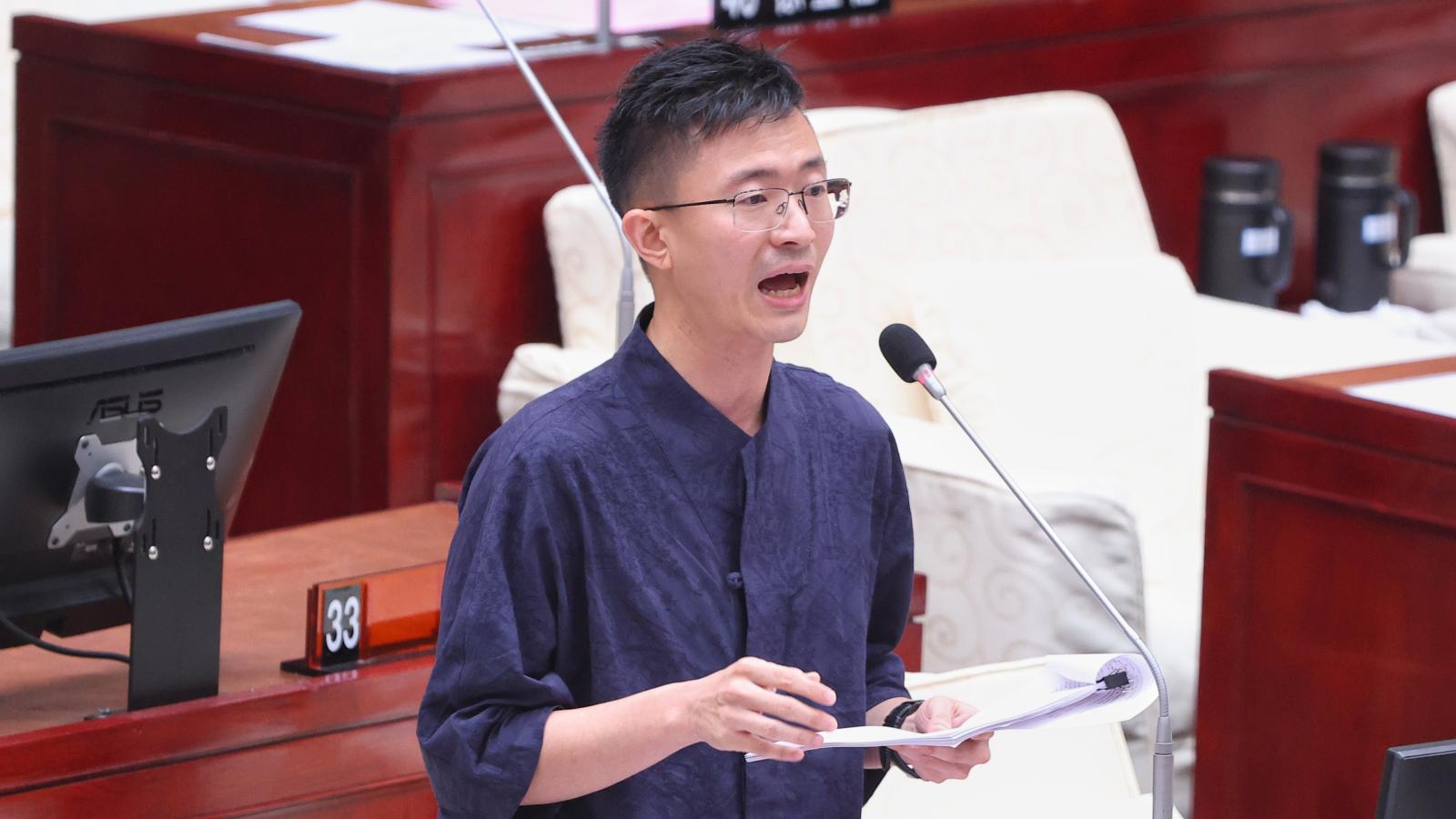
Taipei City Councilor Hou Hanting hit back on Facebook today (7), stating, 'Some people used vaccines to commit fraud, and the government blocked vaccine purchases—these are two different issues.' He argued that the current exposure of a fraud case should not be used to retroactively justify the government's past vaccine policies.
Hou questioned whether Tzu Chi's fraud incident proves the government didn't block vaccine access back then. He noted that during the 2021 domestic vaccine shortage, Tzu Chi sought to donate BNT vaccines, but the government initially expressed concerns about private procurement before later establishing a special task force to assist.
He challenged: 'If the government's real concern was preventing Tzu Chi from being scammed, why did it later agree to assist procurement under the same model used by Foxconn and TSMC?' Hou stated bluntly, 'You can't claim your past actions were anti-fraud just because a scam has now been exposed, nor can you whitewash your incompetence in vaccine procurement.'
He emphasized that while fraud rings exploiting the pandemic should be held accountable, this must be separated from the policy controversy over the government's handling of private vaccine procurement.
Hou outlined the timeline: Tzu Chi expressed its donation intent in June, but it wasn't until June 26, when President Tsai Ing-wen held a video call with Master Cheng Yen, that the government moved forward. On July 1, the Executive Yuan announced a special procurement project for Tzu Chi, modeled after TSMC and Foxconn's Yonglin Foundation. Tzu Chi finalized the purchase of 5 million doses on July 21.
He then asked sarcastically, 'If the government truly feared Tzu Chi would be scammed, did approving their purchase later mean letting them be scammed with peace of mind?' Hou also argued that if the government had ensured sufficient vaccine supply earlier, it would have reduced the urgency for private entities to seek procurement channels, thereby limiting opportunities for vaccine brokers to intervene.
Hou also targeted Foxconn founder Terry Gou's BNT procurement process, reviving Gou's 2023 claim that on June 17, 2021, he received a call from then-presidential secretary general David Lee, relaying, 'This young miss said you should still not buy it.' Hou used this to question the government's attitude toward private vaccine procurement.
However, Lee denied this at the time. Through the SEF, he stated he 'never had such a conversation' and expressed regret over the distortion of facts, creating conflicting accounts between the two parties.
Hou also revisited former Vice President Annette Lu's controversial attempt to broker vaccines. Lu claimed in 2021 that an international organization was willing to help Taiwan procure millions of Pfizer-BNT or Johnson & Johnson doses and tried to contact Chen Shih-chung. Chen confirmed receiving the message but said he intended to call back but 'got busy and forgot.'
Hou questioned how all these private procurement or brokering efforts—from Tzu Chi, Gou, and Lu—faced varying degrees of procedural and policy hurdles. Therefore, he argued, the current fraud case involving Tzu Chi's procurement agent cannot be used to reinterpret all 2021 vaccine controversies as 'government anti-fraud measures.'
He stressed, 'History must not be forgotten. Someone must remember the truth.'
FACT BOX
- Source: PR Times
- Category: News