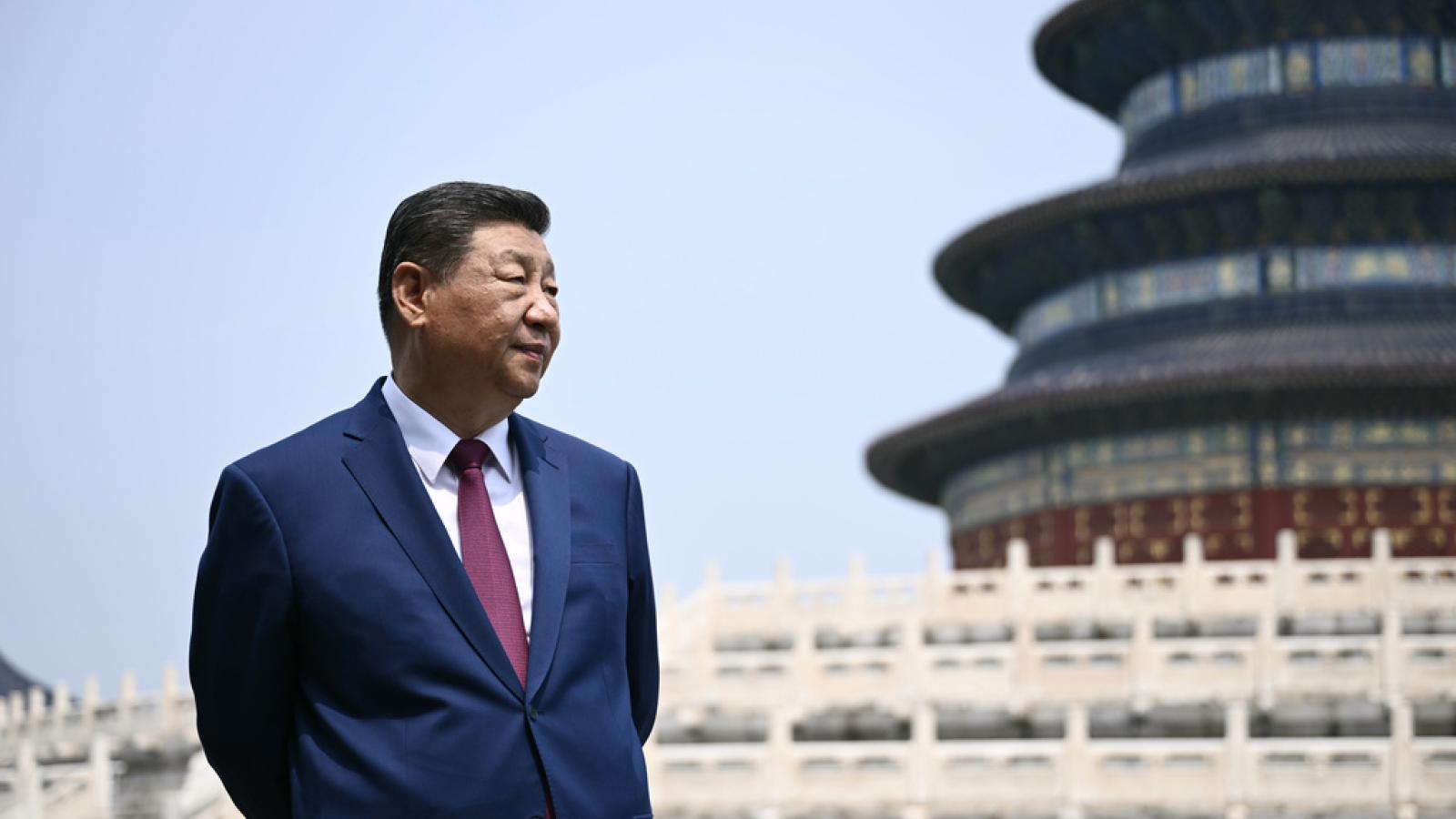
Zhu Weidong, Director of the Institute of Taiwan Studies at the Chinese Academy of Social Sciences, has drawn attention with his proposal of 'unification without unification.' Given that the phrase starts with 'no unification,' observers initially wondered whether this signaled Beijing's willingness to wait patiently for a shift in Taiwan's public opinion. However, on August 7, Zhu further elaborated on the concept during the 12th Cross-Strait Think Tank Academic Forum, presenting a 'strategically clear' interpretation. He outlined four key points: 1. 'Unification without unification' does not mean maintaining the status quo; 2. Beijing will not passively wait for unification talks; 3. The goal is to construct the reality of complete cross-strait unification; 4. Unification is divided into three stages, and the process is currently in the late phase of the second stage. This articulation suggests that 'unification without unification' has evolved into a strategically clear, hawkish signal.
Previously, when Zhu first introduced the term 'unification without unification,' the placement of 'no unification' at the beginning led to speculation that Beijing might be adopting a more patient approach, awaiting a change in Taiwan's public sentiment. However, Zhu's August 7 statement clarified the strategy with 'strategic clarity,' warning against misinterpreting 'no unification' as meaning 'not rushing unification' or 'temporarily suspending unification efforts.' Internally, Taiwan is growing concerned that Beijing is increasingly framing 'unification without unification' in hawkish terms, raising fears that President Xi Jinping's unification agenda may accelerate.
FACT BOX
- Source: PR Times
- Category: News