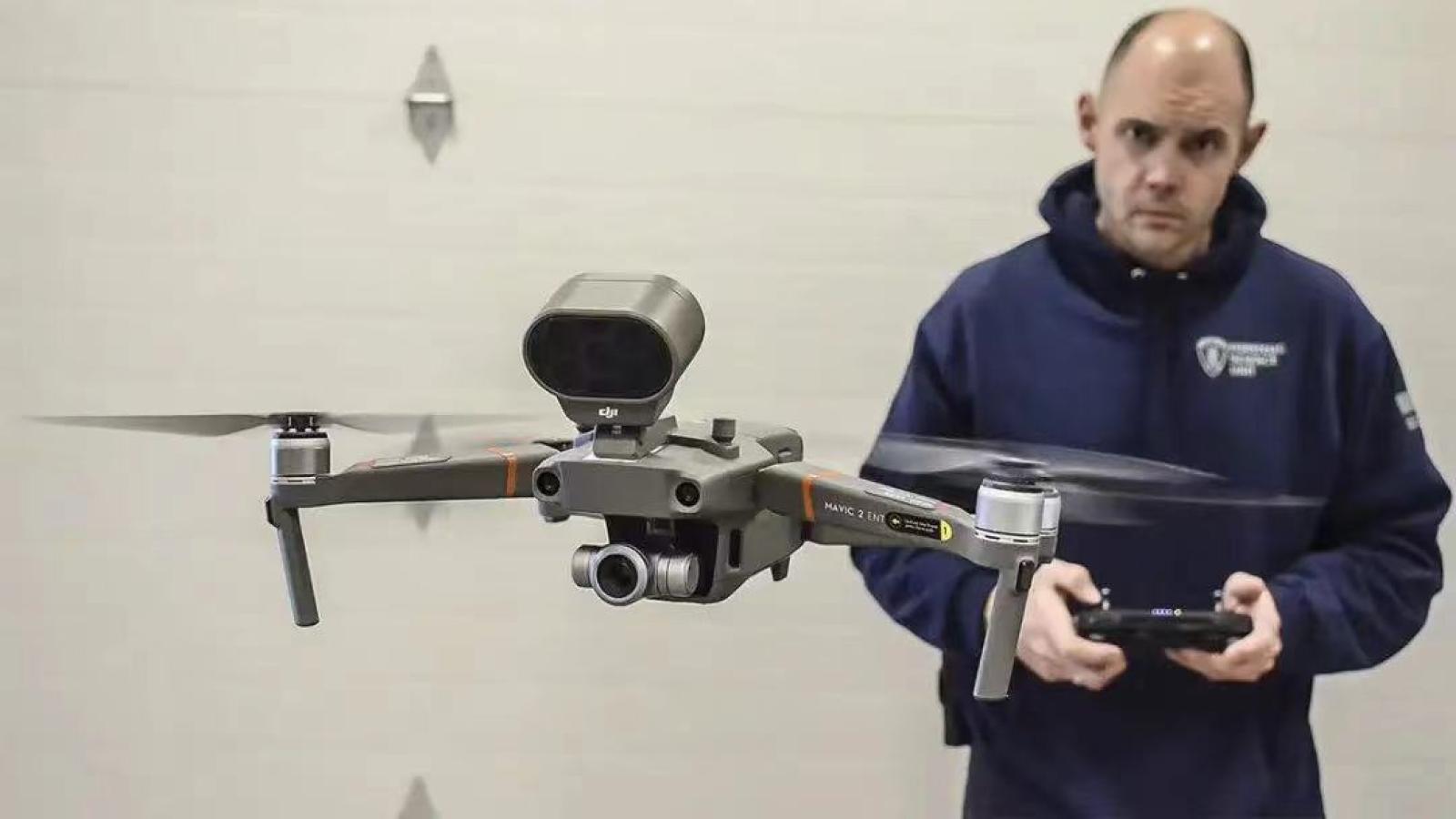
Despite facing strict security reviews and export controls from the U.S. government, China's drone industry delivered outstanding performance in 2026, driven by strong demand in emerging markets, leading to a significant counter-trend growth in exports. According to the latest statistics from China's General Administration of Customs, in the first half of 2026, China exported 2.42 million drones, a 26% increase compared to the same period last year. This growth was primarily driven by civil applications such as agriculture, surveying, and logistics, which have gained strong recognition in overseas markets.
According to Nikkei Asia, while emerging markets remain vibrant, Chinese drone exports to the United States have sharply declined. In the first half of the year, exports to the U.S. dropped by over 40%. Washington previously restricted the import and sale of new foreign-made drones into the U.S. over 'national security' concerns. In the six months following the implementation of this ban, Chinese drone exports to the U.S. plummeted by 46%. Combined with Beijing's retaliatory export restrictions against the U.S., market expectations suggest that Chinese drone shipments to the U.S. will likely continue to decline.
However, local manufacturers do not need to worry in the short term, as the surge in orders from emerging markets has already compensated for the loss in the U.S. market.
A representative from a drone manufacturer headquartered in Suzhou revealed that overseas demand for drones used in surveying and exploration is extremely high. The company is actively expanding shipments to Southeast Asia and the Middle East. Data shows that in the first half of 2026, Chinese drone exports to the Philippines increased by 68%; exports to Germany and Malaysia doubled; exports to Pakistan surged 13-fold; and exports to Cambodia recorded an astonishing 163-fold growth.
In addition to real market demand, policy support from both government and private sectors in various countries has also driven this growth. Since 2024, the Philippine government has provided special subsidies to encourage farmers to adopt drones in rice cultivation, with the vast majority of equipment used being Chinese-made.
Cambodia's Ministry of Interior directly signed a cooperation agreement with Nanning Vocational and Technical College in China to introduce Chinese drone technology to assist in maintaining public security and disaster response. A senior executive from a Jiangsu-based drone company also revealed plans to increase the overseas sales ratio from the current 10–15% to 50% within three years, reflecting strong confidence in the development potential of overseas markets.
The Beijing government is currently vigorously promoting the 'low-altitude economy' industrial chain, which includes both manned and unmanned aircraft. Chinese manufacturers, led by DJI, the global drone leader, are accelerating the expansion of production bases for finished products and core components within China. They are also aligning with President Xi Jinping's Belt and Road Initiative to rapidly promote drone products to partner countries along the route.
These export programs are all strategically designed: logistics drones are exported to Southeast Asian countries to establish local transportation networks; pipeline inspection drones are sent to the Middle East to assist in managing onshore oil and gas pipelines; and agricultural and cargo transport drones are provided to African nations to improve farming practices and address inadequate transportation infrastructure.
As a leading Chinese drone manufacturer, DJI reported that as of the end of June, over 700,000 of its agricultural drones have been deployed worldwide. This scale has doubled over the past three years and has become an indispensable production tool in agriculture across many countries.
The market widely believes that even as Western countries led by the U.S. erect trade barriers or impose targeted import restrictions under the guise of national security, Chinese drones maintain high competitiveness in global emerging markets due to their significantly lower prices compared to U.S.-made products and their more advanced and mature performance, securing large procurement orders.
FACT BOX
- Source: PR Times
- Category: News