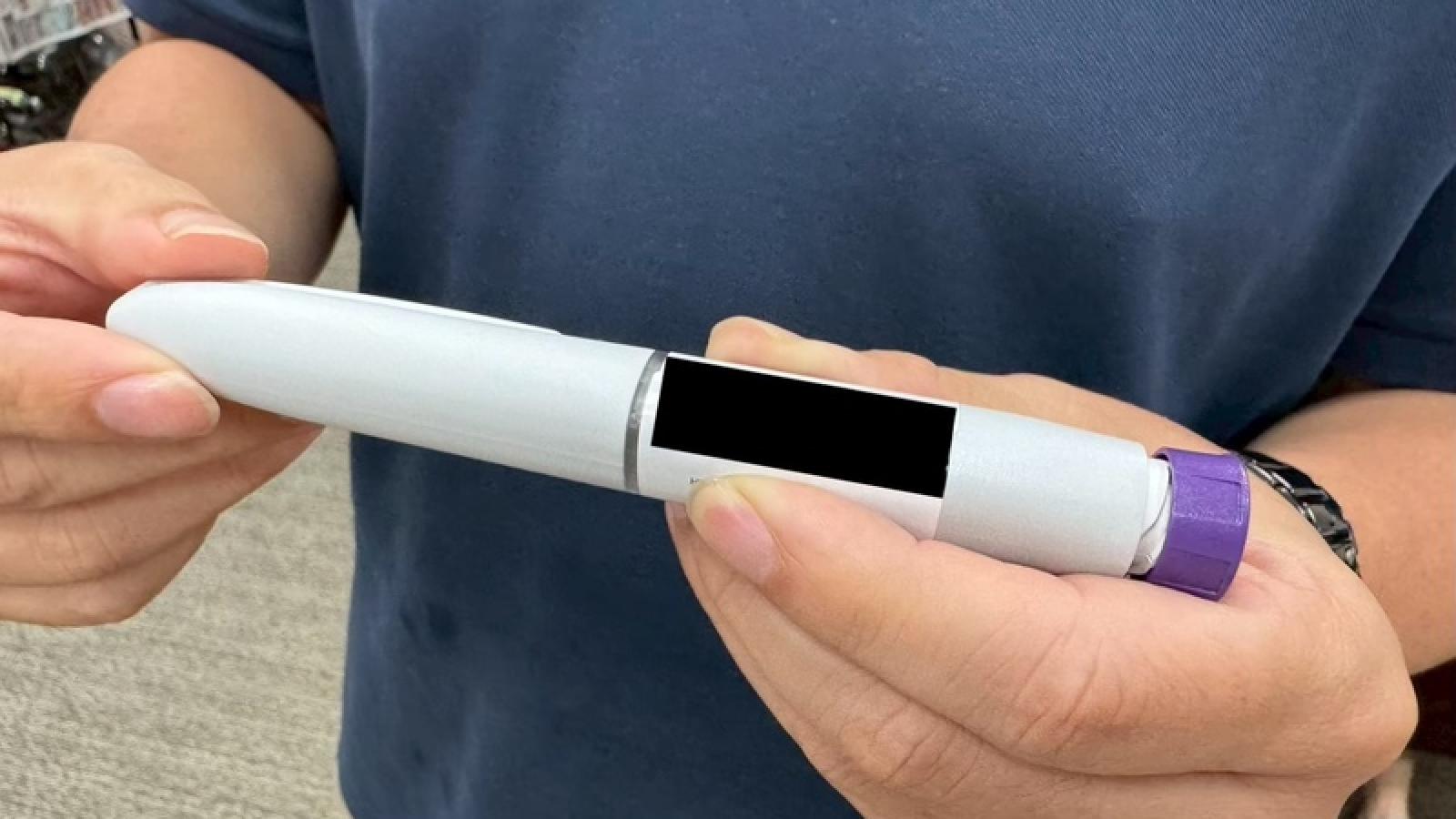
When Lisa Rees started taking her first dose of a weight-loss drug in April, she only hoped to shed a few kilograms. But she didn’t expect what she now calls the medication’s “best benefit”: not only did she eat less, but she also drank far less alcohol. Previously, Lisa would drink two bottles of wine during a night out. Now, the 46-year-old from South Wales says she physically “can’t drink anymore” after just two or three glasses. Growing research is now exploring the link between weight-loss medications and reduced alcohol intake. These drugs—brands include Wegovy, Mounjaro, and Ozempic—contain semaglutide or tirzepatide, which mimic a natural hormone called glucagon-like peptide-1 (GLP-1). This suppresses appetite and promotes long-lasting fullness, aiding weight loss.
Dr. Christian Hendershot from the University of South Carolina says early studies suggest these drugs may reduce cravings for substances like alcohol and nicotine by affecting the brain’s reward response. In 2025, he published a small study showing that participants with alcohol use disorder experienced reduced alcohol cravings while taking Ozempic. Alcohol use disorder (sometimes referred to as alcoholism) is defined by the UK’s National Health Service (NHS) as harmful drinking patterns.
Another study, released last week by the University of Colorado Anschutz Medical Campus, found that an oral form of GLP-1 medication reduced the number of heavy drinking days among people with mild to moderate alcohol use disorder. People taking these drugs told BBC News their experiences with alcohol varied: some reported complete loss of desire, nausea or uncomfortable fullness when drinking, faster intoxication, while others noticed no change in their relationship with alcohol.
Before starting Wegovy, Lisa said she drank six to eight bottles of wine weekly with friends. She sometimes worried about drinking too much and harming her health. NHS guidelines recommend that adults not regularly consume more than 14 units of alcohol per week—roughly six medium glasses of wine or six pints of beer. Long-term excessive drinking can lead to liver damage, high blood pressure, and increased cancer risk.
Lisa told BBC that since starting the medication, her alcohol intake has dropped by more than half. At a recent daytime music festival, she drank only three glasses of wine over nine hours. Previously, she would have finished two bottles plus several vodka mixers. Alcohol has long played a central role in Lisa’s social life. In the late 2010s, she abstained for several weeks, only to find friends stopped inviting her to gatherings—prompting her to resume drinking.
This time, Lisa says she still looks forward to wine, but after two or three glasses, she simply cannot continue. “I still feel included because I’m still drinking—just much less,” she explained.
Warren Thomas, 45, from Colchester, England, used to enjoy a beer with family after work and occasional nights out with friends once or twice a month. But when he mentioned to friends on weight-loss drugs that he planned to start Mounjaro, they warned him it might affect his drinking.
Warren told BBC that within 24 hours of his first injection in mid-June, he felt the effect. “I just didn’t want to drink at all,” he said. “No appetite for alcohol.” At a friend’s birthday party last month, he felt “a bit dizzy and lightheaded” after just two beers. “My alcohol tolerance is now zero,” he said.
The British National Formulary does not offer formal guidance on whether people taking weight-loss drugs should stop drinking. However, Professor Russell Hearn, a medical professor and physician at King’s College London, told BBC: “Alcohol is high in calories. If your goal is weight loss, cutting back on alcohol while on GLP-1 drugs, combined with dietary changes, will definitely help.”
For people like Lisa and Warren, reduced drinking is an unexpected bonus. But for 20-year-old Faye Goodwin, it’s affecting her social life.
Faye told BBC that drinking quickly makes her nauseous, sometimes causing vomiting or severe acid reflux. She proactively contacted BBC Your Voice. Having started Mounjaro injections at age 18, she hardly knows what drinking feels like without the drug’s influence. However, during a one-month pause in injections, she was able to drink normally without nausea.
At her age, alcohol is a key part of social life, she emphasized. Sometimes, if she plans to go out on the day of her injection, she delays it by a day, as she feels the drug’s effect on alcohol is strongest in the first 48 hours. On injection days, she occasionally declines social events. Even when she drinks, she consumes far less than others.
“It’s hard to enjoy gatherings when you’re sitting there sober while everyone else is having fun,” she said. “Even if I try a glass of wine, the nausea often stops me from finishing it.” With many social activities centered around drinking, her student life in Cambridge has become more difficult.
Observational studies in the general population show that people on weight-loss drugs drink less overall, but most clinical trials focus on those with alcohol use disorder, not casual drinkers.
Dr. Hendershot told BBC that data is “accumulating very quickly,” and added that some US institutions are already prescribing these drugs off-label for alcohol use disorder. Dr. Joseph Schacht, who studies oral weight-loss drugs and alcohol, noted that larger, longer-term studies with more participants are needed before regulators can approve these drugs for treating alcohol use disorder.
Dr. Darren Quelch from the University of South Wales, who studies addiction, told BBC many unanswered questions remain—such as whether it’s safe for non-obese or non-diabetic individuals to use these drugs for addiction treatment, and whether they are affordable.
The drugs can also have side effects, including rare but serious pancreatitis. Researchers are also exploring whether GLP-1 drugs could treat other addictions, such as smoking and opioid dependence.
Warren told reporters that since starting the weight-loss injections, he no longer feels like going out to drink with friends. “I really don’t want to… no desire at all.” Though he never thought his drinking was problematic, he finds this change refreshing. “Being able to quit completely without any effort feels really good,” he told BBC.
This article was originally written in English. We used AI to assist translation, reviewed and edited by BBC journalists before publication. Learn more about how we use AI.
FACT BOX
- Source: PR Times
- Category: Survey
- Organizations: University of South Carolina / University of Colorado Anschutz / King’s College London
- Dates in source: April / 2025