In our educational environments, many stereotypes and discriminatory practices are often accepted as 'normal.' For example, there is a common misconception that boys are naturally better at science subjects while girls excel in humanities. Students from indigenous communities, children of new immigrants, or those from specific minority groups are frequently assumed to perform poorly academically. Moreover, those who do not conform to traditional gender expectations—such as assertive girls or gentle boys—are often stigmatized. Similarly, labels like 'good students are smart and obedient' or 'poor academic performers have bad character' are routinely applied, reinforcing harmful biases.
Although society has progressed and understanding of multiculturalism has improved, discrimination and prejudice remain widespread. A few years ago, at a bazaar held by Taichung First High School, students used the homophonic phrase 'Xi Huan Na' as a stall theme, which carried derogatory connotations toward indigenous people, sparking public outrage. This incident highlighted the need for deeper reflection on our educational systems.
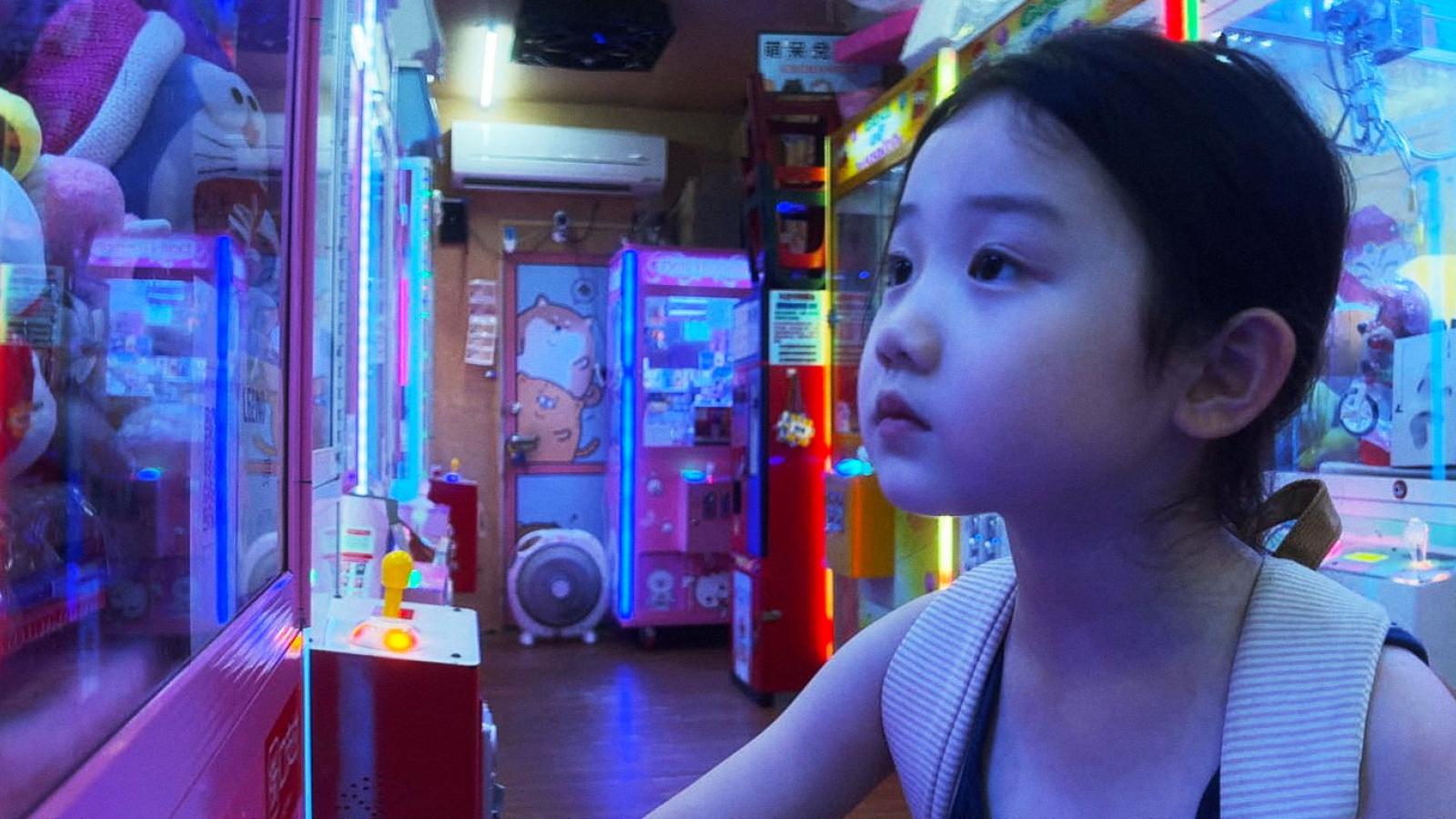
Recently, a film titled 'The Left-Handed Girl' has gained international attention and has been selected as Taiwan's official entry for the 2026 Academy Awards for Best International Feature Film. The film explores societal norms and superstitions in Taiwanese families regarding left-handedness and single motherhood, portraying the protagonist's confusion and resistance in the face of harsh realities. In one scene, the five-year-old protagonist, Yijing, is harshly reprimanded by her grandfather for using her left hand, who warns her, 'Using your left hand means you're doing the devil's work!' Such forced discipline and condemnation may seem absurd today, but they reflect the childhood experiences of many left-handed individuals.
Left-handed people are often seen as 'different' because only 7% to 13% of the global population are naturally left-handed. Not only do they live in a world designed for right-handers, but they also face various forms of social discrimination from an early age. Furthermore, many everyday tools and stationery items are not designed with them in mind. For instance, hand-crank pencil sharpeners in schools are mostly designed for right-handed clockwise rotation. Scissors, due to their blade orientation, obstruct the user's view when used with the left hand. Rulers and tape measures are typically marked with increasing values from left to right. Additionally, items such as baseball gloves, can openers, peelers, faucets, screw rotation directions, and computer mouse buttons are all optimized for right-handed use, forcing left-handed individuals to adapt by using their non-dominant hand.
Historically, the left hand has been stigmatized and devalued across cultures. In ancient times, left-handedness was often associated with bad omens. During medieval Europe, left-handed individuals were even considered evil and were sometimes targeted in witch hunts. This perception is embedded in language: in English, 'right' means both 'right side' and 'correct,' while 'sinister,' meaning 'evil' or 'ominous,' originates from the Latin word 'sinistra,' meaning 'left.' In countries like India, parts of the Middle East and Southeast Asia, and within Islamic cultures, the left hand is considered unclean, and people are discouraged from using it for eating.
In traditional Taiwanese culture, parents, elders, relatives, and even schoolteachers have often forced left-handed children to write or use chopsticks with their right hand, conforming to the societal belief that being different is undesirable. Research from years ago found that over half of left-handed children had been forced to use their right hand. When children use their less-dexterous hand for writing, it can reduce their motivation and interest in writing. When faced with frustration, they may adopt an avoidance mindset toward challenges.
While parents may enforce this out of concern—fearing that left-handedness leads to inconvenience or invites bullying—such demands may lead children to believe that being left-handed is wrong, potentially affecting their self-identity over time. Moreover, switching from left to right-handed writing is extremely difficult, requiring significant time and effort to achieve a similar level of proficiency.
To raise awareness of left-handed rights, 50 years ago, Dean R. Campbell, a U.S. veteran from Kansas, founded the 'Left Hander International' organization on August 13, 1975, together with other left-handed individuals. Since 1976, August 13 has been designated 'International Left Handers Day' (or 'World Left-Handers Day'), aiming to advocate for the rights of left-handed people. In the UK, the 'Left Hander Club' was established in 1992, organizing celebrations in various cities, including parades, 'left-handed spaces,' and support for left-handed artistic creations, drawing greater public attention.
Today, prejudice against left-handed individuals appears to be gradually fading, and being left-handed is now often seen as a 'special' trait. Studies suggest that left-handed people may have advantages in spatial awareness and creative thinking, leading many to perceive them as more intelligent. As a result, numerous products marketed as 'right-brain development' tools emphasize imagination and intuitive thinking to break free from rigid left-brain logic and stimulate creativity. In sports, left-handed athletes—such as left-handed pitchers or batters—are often specifically recruited to leverage their unique advantages. Many prominent figures across various fields are left-handed, including former U.S. Presidents Bill Clinton and Barack Obama, Microsoft co-founder Bill Gates, comedy legend Charlie Chaplin, Nobel Prize-winning physicist Chen-Ning Yang, and artists like Leonardo da Vinci and Michelangelo.
Despite increasing social acceptance, most everyday products are still designed primarily for right-handed users. How, then, can we create a more accessible and user-friendly environment for everyone?
The 'Convention on the Rights of Persons with Disabilities' (CRPD), in its Article 2 definition, introduces the concept of 'Universal Design' as 'the design of products, environments, programs, and services to be usable by all people, to the greatest extent possible, without the need for adaptation or specialized design.' In other words, whether left-handed, right-handed, or having different needs, everyone should be able to use them equally, without being limited or excluded by design. For example, low-floor buses commonly seen today are a typical example of universal design.
Traditional high-floor buses require climbing several steep steps, posing significant challenges for the elderly, pregnant women, parents with strollers, wheelchair users, or those carrying large luggage. Low-floor bus designs not only resolve these difficulties but also enhance safety by eliminating steps and reducing boarding and alighting times. This reflects Taiwan's shift from providing accessibility features for specific groups to adopting a 'source design' philosophy centered on collective well-being. It is hoped that this principle will continue to be implemented, respecting individual differences and further realizing the core values of human rights equality and inclusive diversity.
*Author: Chief Writer, Zhun Bi Qun
FACT BOX
- Source: PR Times
- Category: キャンペーン