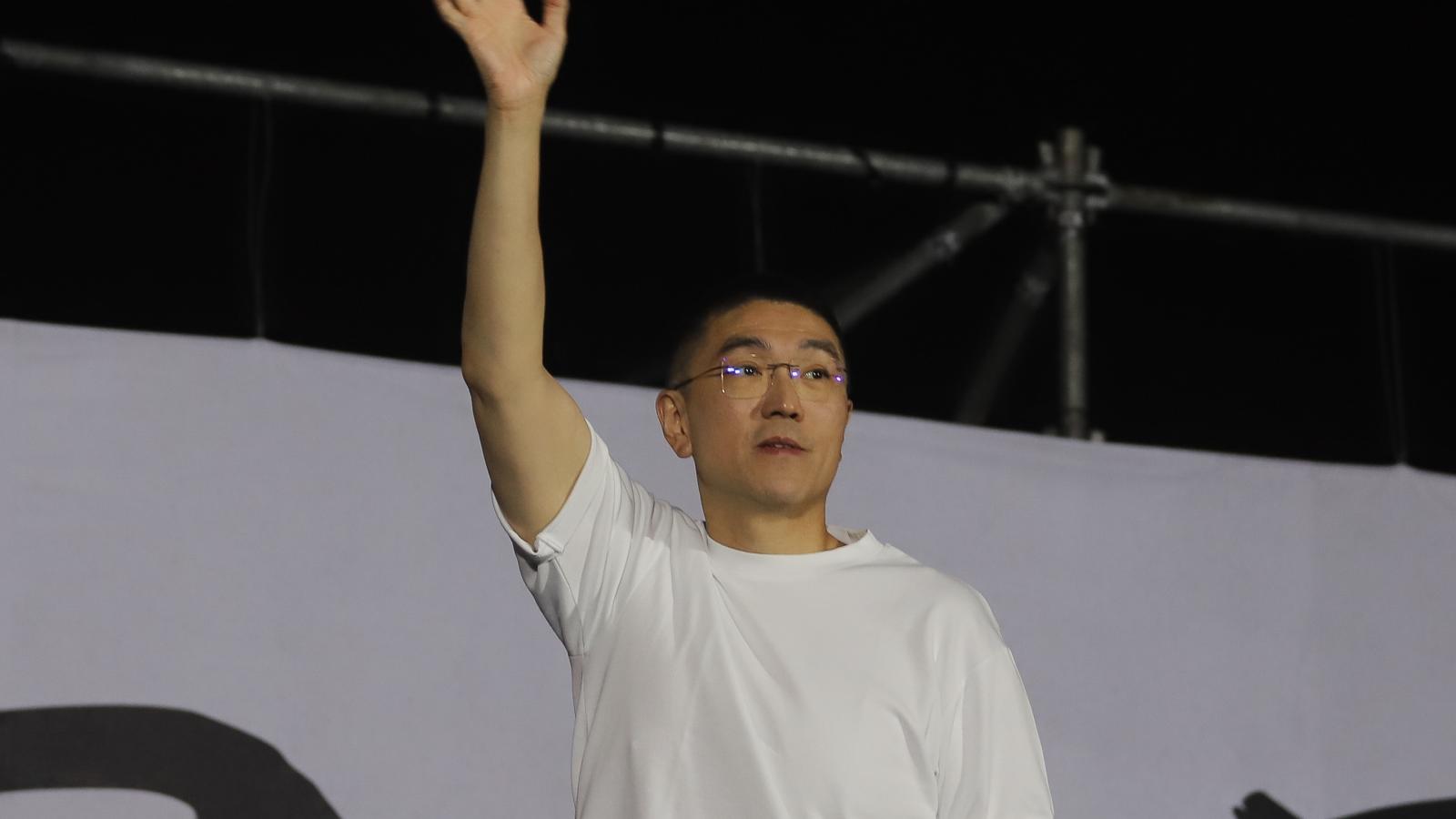
In 2022, the Kuomintang (KMT) regained Keelung City—the gateway to Taiwan—after an eight-year absence. Former legislator Hsieh Kuo-liang defeated Democratic Progressive Party (DPP) legislator Tsai Shih-yung in an election where he was initially considered an underdog, becoming mayor of Keelung. Following the 2024 presidential election, the DPP leveraged controversy surrounding the Keelung East Coast Mall to mobilize civic groups, including the 'Shanhai Citizen Recall Hsieh Movement,' which initiated a recall campaign against Hsieh. The recall vote was held on October 13, 2024, and ultimately failed, with 86,014 votes against recall surpassing 69,934 votes in favor. Hsieh thus retained his mayoral position.
The following year, in 2025, Taiwan witnessed the largest 'mega-recall' campaign in its history. The DPP, through local civic groups, launched a sweeping effort to recall KMT regional legislators and Hsinchu Mayor Kao Hung-an. Among those targeted was Lin Pei-hsiang, the KMT legislator from Keelung. The final vote saw 96,294 votes against recall and 65,143 in favor, resulting in another failed recall.
Analyzing these two recall outcomes, the 'against recall' votes may reflect an expanded base from the KMT-TPP alliance (commonly referred to as 'Blue-White Cooperation'). If 'for recall' votes represent the DPP's core support, they show a slight contraction. This has led KMT insiders to believe that Hsieh, seeking re-election in 2026, is in a position to 'win without trying' (lai zhe xuan).
However, according to Storm Media's sources, internal campaign assessments conducted by Hsieh's team between June and July 2025 indicate a less optimistic scenario. Contrary to the party's confidence, concerns include insufficient consolidation of support, declining approval among specific demographics and regions, and growing backing for a DPP-backed candidate—reportedly the nephew of President Lai Qingde—by influential figures such as the former KMT speaker and local actors dubbed 'avengers.' These groups, driven by past political grievances, are systematically fueling opposition to Hsieh.
Particularly notable is how the dispute over the East Coast Mall's management rights has become a symbolic flashpoint. The city government's decision to outsource operations to a private firm sparked accusations of 'privatizing public assets,' igniting the recall movement. Supporters counter that the contract followed transparent procedures and was legally sound. This issue has evolved beyond policy evaluation into a symbolic test of governmental legitimacy.
Moreover, the 2025 mega-recall campaign saw the DPP framing its actions as 'defending democracy,' intensifying its influence in local politics. In Keelung, simmering discontent among youth and centrist voters may impact electoral behavior. While Hsieh's camp is engaging voters through social media and community events, critics argue that public attention is fixated on political conflict rather than economic revitalization or urban renewal.
Looking ahead, the 2026 mayoral race may transcend policy debates and become a proxy national battle over confidence in the ruling party. Hsieh's perceived advantage stems from the Blue-White alliance consolidating votes, but this cooperation remains fragile and could falter before election day. Additionally, the DPP candidate's familial tie to President Lai may spark ethical debates over political dynasties, potentially galvanizing support on both sides.
In conclusion, while Hsieh's re-election prospects appear stable on the surface, internal evaluations reveal growing anxiety. The 'win without trying' narrative may underestimate shifting voter priorities and the organized mobilization of opposition forces. Moving forward, concrete policy delivery and rebuilding public trust will be Hsieh's greatest challenges.
FACT BOX
- Source: PR Times
- Category: News