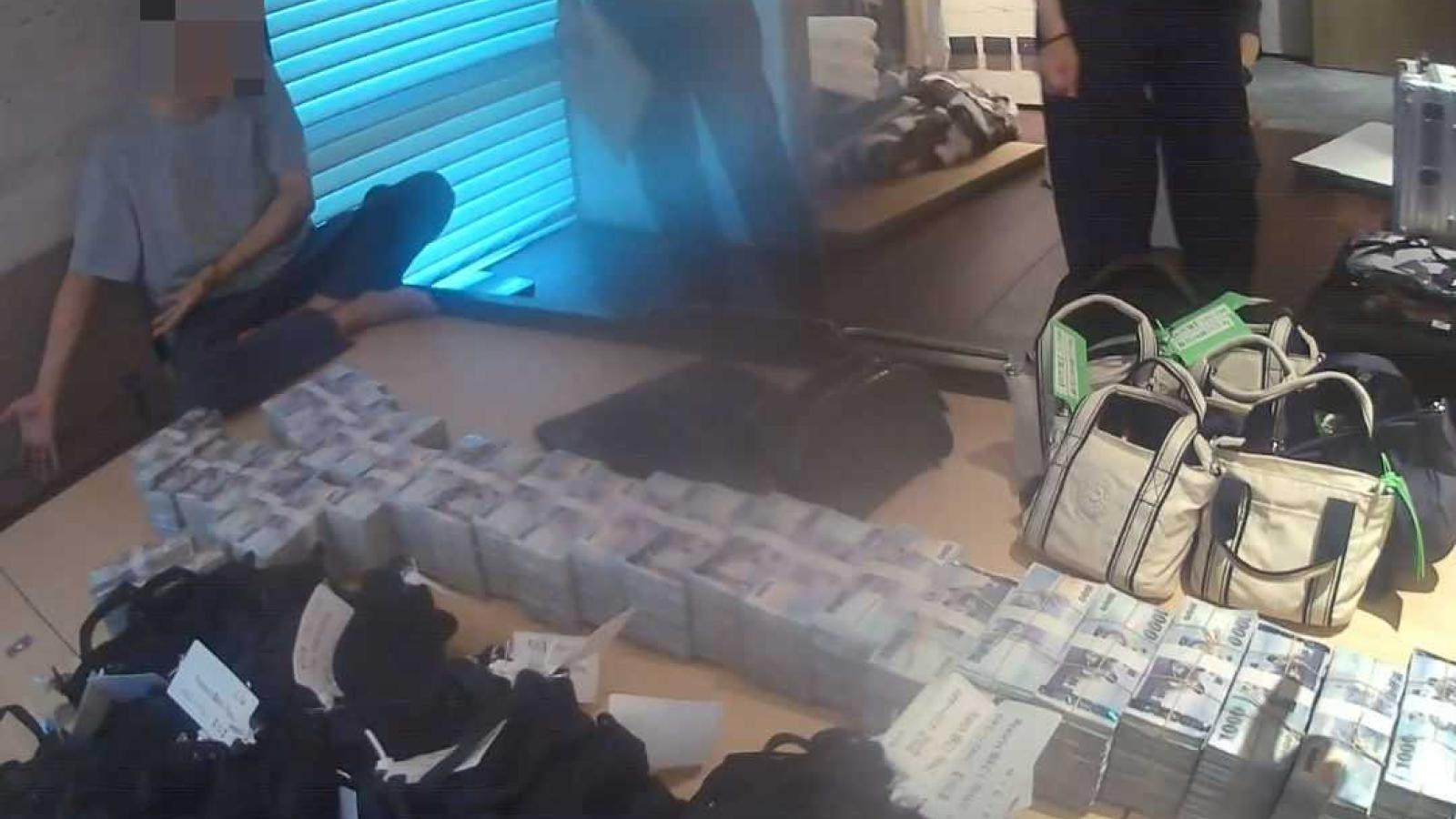
News reports indicate that Tzu Chi was defrauded of over 1 billion NT dollars (approximately $100 million USD) while attempting to purchase vaccines during the COVID-19 pandemic. Seizing the opportunity, the Green Camp has launched a political offensive against prominent Blue Camp candidates—Chiang Wan-an, Chiang Ch'i-chen, and Ko Chih-en—demanding they apologize for their past criticism of the government's obstruction of vaccine procurement ahead of the year-end local elections. However, they completely ignore the context of why Tzu Chi ended up taking charge of vaccine procurement in the first place. This selective, decontextualized political attack is clearly an election-driven maneuver.
Based on current media reports, it appears true that a lawyer surnamed Chen and others fraudulently obtained over 1 billion NT dollars in commissions. While the Tzu Chi Foundation is itself a victim, it also bears responsibility for inadequate risk management of the charitable funds entrusted to it by society over the years. Otherwise, it risks undermining the high level of public trust it has long enjoyed.
Yet, to demand that Chiang, Chiang, and Ko apologize simply because they once supported Tzu Chi and criticized the government's vaccine blockade is entirely irrelevant. Looking back at the vaccine procurement history, the reason private entities like Tzu Chi and Foxconn had to step in was due to public criticism of the Tsai Ing-wen administration, which, citing national security, firmly rejected BNT's established sales model for Hong Kong and Macau.
At the time, the ruling Green Camp, driven by ideological rigidity, turned a life-saving commercial transaction into a cognitive battlefield over 'Chinese vaccines.' During those months of delayed procurement, Taiwan accumulated nearly 16,000 confirmed cases and 829 deaths. Eventually, when private groups stepped in to bypass political obstacles, the first batch of BNT vaccines arrived—openly labeled in Chinese as 'Favipiravir' (Comirnaty)—a direct slap to the DPP's earlier policy of blocking 'Chinese-agent vaccines' from entering Taiwan. After all the controversy, Taiwan still had to use the very vaccine distributed by Shanghai Fosun Pharma, which holds the agency rights for the 'Greater China' region, including Taiwan.
Who has apologized to the patients who died because political and ideological deadlock delayed vaccine access? At the time, the Tsai administration blocked 'Favipiravir,' with vaccine procurement seemingly out of reach. Taiwan was forced to beg major vaccine manufacturers for early deliveries and rely on emergency aid—derisively called 'leftover vaccines' in Taiwanese Hokkien—from the U.S. and Japan to quell public outrage. The Tsai administration then deliberately spun this into a false narrative of U.S.-Taiwan and Japan-Taiwan friendship. These acts of misconduct under the Tsai administration now deserve to be revisited.
Not to mention, the Tsai administration's actions at the time were widely suspected by public opinion to be political maneuvers designed to clear the way for the domestic Medigen vaccine's market entry. Whether this is true may be debatable, but the fact remains: if the ruling party could have handled vaccine procurement properly on its own, why would Tzu Chi and other private groups have had to step in to procure vaccines for the people?
The Green Camp's witch-hunt-style demand for apologies from Chiang, Chiang, and Ko does nothing to alleviate the political responsibility for the loss of lives and social costs caused by the Tsai administration's mismanagement during the pandemic. On the contrary, it may prompt the Taiwanese people to finally settle the score for the government's incompetence and the pandemic's失控.
FACT BOX
- Source: PR Times
- Category: News